U.
HomeRegionsLanguagesEmotionsCollections
Find Your Word

“The limits of my language mean the limits of my world.”

— Ludwig Wittgenstein, Philosopher

Untranslatable

A curated collection of the world's most beautiful expressions—words that remind us language is humanity's greatest invention.

  • Home
  • Collections
  • Regions
  • Countries
  • Emotions
  • Tags
  • Contexts
  • Finder
  • Europe
  • Asia
  • Americas
  • Africa
  • Middle East
  • About
  • Contact
  • Privacy Policy
  • Terms of Service

2026 © Untranslatable. All rights reserved.

    /
    /
    1. Home
    2. /
    3. Africa
    4. /
    5. Sawubona
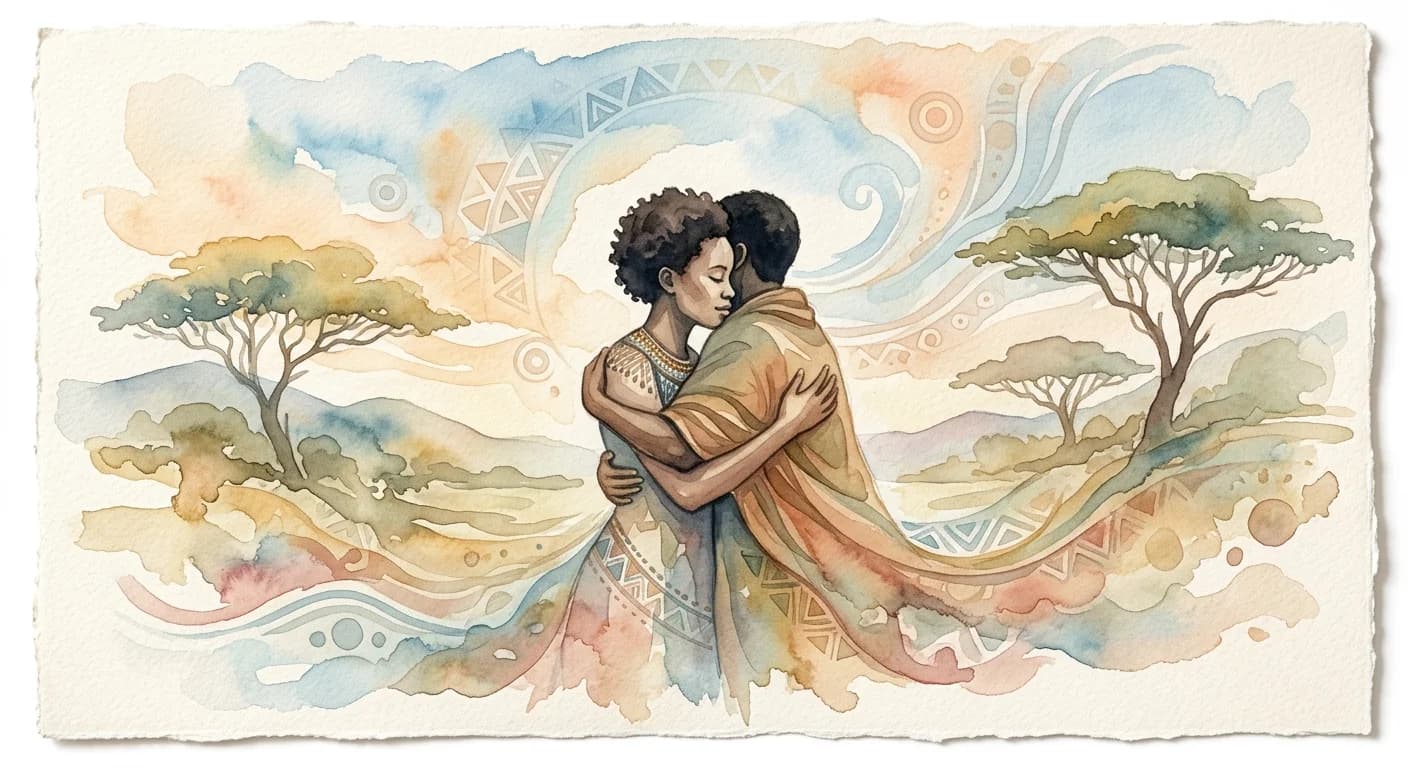
    Artistic representation of Sawubona
    Zulu•
    🇿🇦South Africa

    Sawubona

    /sa-woo-BOH-nah/

    Meaning

    More than a mere 'hello,' Sawubona is a profound Zulu greeting that embodies the spirit of Ubuntu. It literally translates to 'I see you,' but its true essence lies in acknowledging the other person's inherent worth, dignity, and unique spirit. By uttering Sawubona, one affirms the individual's presence, recognizing their value and contribution to the collective fabric of humanity. This powerful exchange fosters deep connection and mutual respect, signifying that one's own humanity is inextricably linked to the recognition of others.

    Literal Translation

    I see you

    The Story Behind the Word

    Sawubona is deeply rooted in the Zulu philosophy of Ubuntu, often summarized as 'I am because we are.' This worldview emphasizes interconnectedness, community, and the belief that a person becomes fully human through their relationships with others. The greeting reveals a culture where individual identity is not isolated but is affirmed and enriched through collective recognition. It's a daily practice of reinforcing social bonds and the moral obligation to treat every individual with respect, understanding that their well-being contributes to the well-being of all. The word itself carries the weight of centuries of communal living and a profound understanding of human interdependence.

    Experience It

    Village Elder's Greeting

    A young child approaches an elder in the village. The child bows slightly and softly says, 'Sawubona, Gogo.' The elder, with a warm smile, responds, 'Yebo, Sawubona mntwana,' acknowledging the child's presence and offering a blessing in return, reinforcing respect across generations.

    Meeting a Stranger

    Two strangers pass each other on a path. Instead of a quick nod, they pause, make eye contact, and one offers, 'Sawubona.' The other replies, 'Yebo, Sawubona,' and for a brief moment, a connection is forged, recognizing each other's humanity before continuing their separate ways.

    The Deeper Meaning

    Sawubona encapsulates the core tenet of Ubuntu, illustrating a worldview where individual identity and well-being are intrinsically tied to the community and the recognition of others. It suggests that true humanity is not an inherent state but is achieved and affirmed through interaction and mutual respect, emphasizing empathy, compassion, and the interconnectedness of all people as fundamental to a harmonious society.

    Did You Know?

    The traditional response to Sawubona is 'Yebo, Sawubona,' meaning 'Yes, I see you too.' This reciprocal acknowledgment further solidifies the mutual recognition and respect inherent in the greeting.

    How It's Used

    Used as a formal and informal greeting in Zulu culture, often accompanied by a handshake or other gestures of respect. It is the standard way to greet someone.

    Emotions
    belonging,gratitude,warmth
    Contexts
    family,friendship,greeting
    🇿🇦South Africa

    by Kwame Nkrumah·Written Mar 14, 2026·Updated Apr 3, 2026

    Related Words

    Explore more
    GezelligDutch

    Gezellig encapsulates a profound sense of warmth, belonging, and convivial comfort, extending beyond mere coziness to embrace the social and emotional atmosphere. It's the feeling of being truly at ease, surrounded by good company, laughter, and a shared sense of contentment. This untranslatable term describes not just a physical space, but a holistic experience where time seems to slow down, fostering genuine connection and a deep sense of well-being.

    SobremesaSpanish

    Sobremesa is the cherished, often extended period immediately following a meal, particularly lunch or dinner, where diners remain seated at the table to enjoy conversation, coffee, and digest not just the food, but the company itself. It’s a dedicated time for unhurried social bonding, storytelling, and shared laughter, transforming a simple meal into a profound communal experience. Far from just clearing the dishes, sobremesa is an integral part of Spanish social life, often lasting for hours.

    Pura vidaSpanish

    More than just 'pure life,' "Pura vida" encapsulates a profound philosophy of embracing the present moment with unwavering optimism and gratitude. It's a daily commitment to finding joy in simple pleasures, accepting life's challenges with a positive spirit, and prioritizing well-being over material possessions. This ubiquitous phrase reflects a national identity built on resilience, community, and an deep appreciation for nature's bounty.

    UbuntuZulu/Xhosa

    Ubuntu is a profound African philosophy that translates to 'I am because we are,' signifying that an individual's humanity is inextricably linked to the humanity of others. It embodies the belief that our existence and well-being are deeply intertwined with the community. This concept emphasizes compassion, reciprocity, dignity, and the understanding that true fulfillment is found not in isolation, but through collective flourishing and mutual support. It's a call to recognize and affirm the humanity in everyone, fostering a sense of interconnectedness.