U.
HomeRegionsLanguagesEmotionsCollections
Find Your Word

“The limits of my language mean the limits of my world.”

— Ludwig Wittgenstein, Philosopher

Untranslatable

A curated collection of the world's most beautiful expressions—words that remind us language is humanity's greatest invention.

  • Home
  • Collections
  • Regions
  • Countries
  • Emotions
  • Tags
  • Contexts
  • Finder
  • Europe
  • Asia
  • Americas
  • Africa
  • Middle East
  • About
  • Contact
  • Privacy Policy
  • Terms of Service

2026 © Untranslatable. All rights reserved.

    /
    /
    1. Home
    2. /
    3. Europe
    4. /
    5. Lambuzar
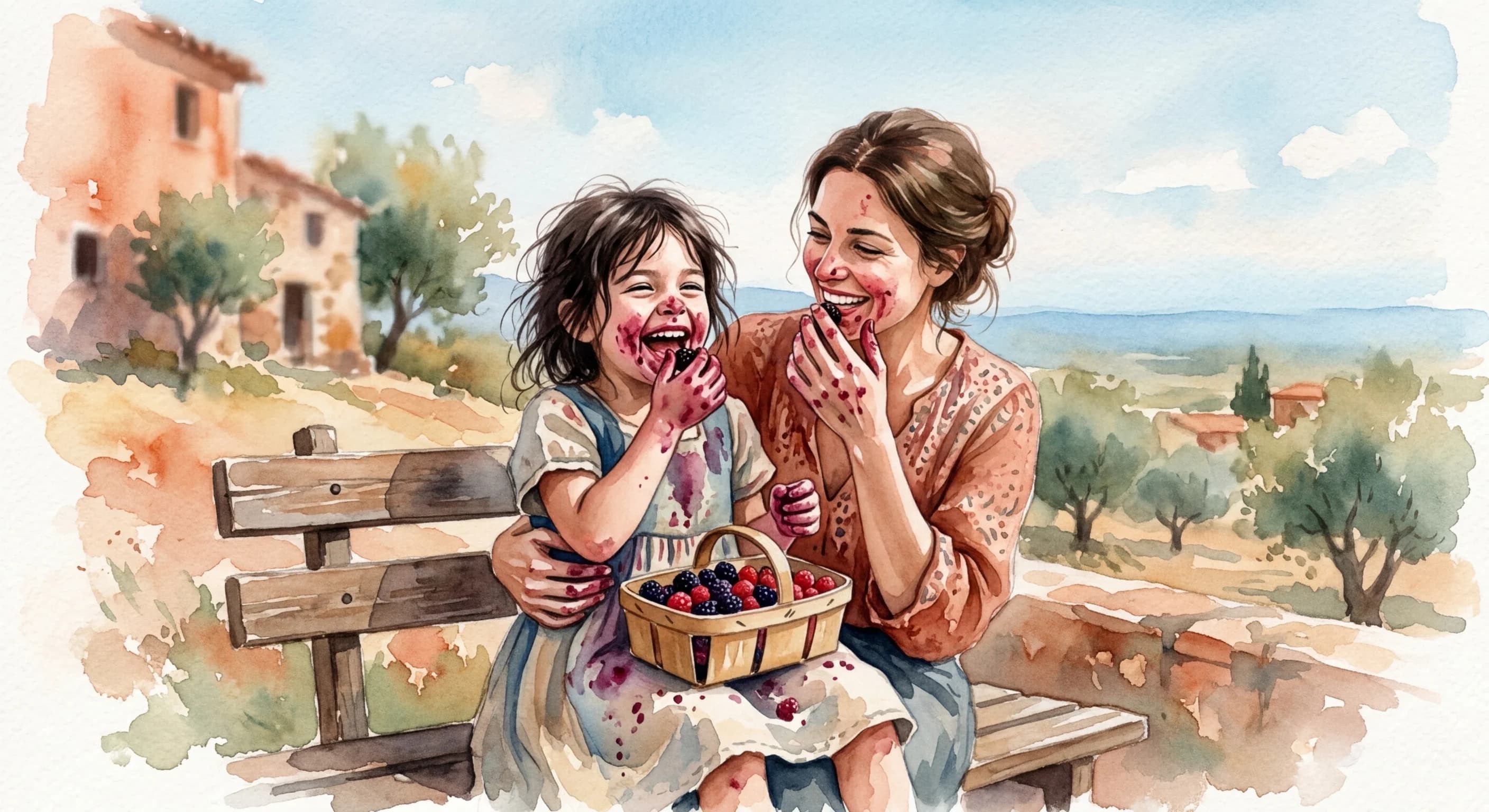
    Artistic representation of Lambuzar
    Portuguese•
    🇧🇷Brazil🇵🇹Portugal

    Lambuzar

    /lahm-boo-ZAR/

    Meaning

    To "lambuzar" is to engage in a delightful dance of lighthearted trickery and playful mischief, often within the warm embrace of close relationships. It describes the act of teasing, fooling, or gently distracting someone with a sense of innocent fun, devoid of any malicious intent. This charming verb captures the joy of shared antics, where one might be subtly bending the rules or creating a humorous diversion, fostering camaraderie through shared laughter and a touch of harmless deception.

    Literal Translation

    To smear, to dabble, to mess around

    The Story Behind the Word

    The existence of 'lambuzar' in Portuguese culture speaks to a deep-seated appreciation for conviviality, humor, and the nuanced dynamics of interpersonal relationships. It highlights a cultural comfort with ambiguity and a playful approach to social interactions, where a little harmless trickery can strengthen bonds rather than break them. This word reflects a society that values the ability to laugh at oneself and with others, understanding that sometimes the most profound connections are forged not through serious discourse, but through shared moments of lighthearted fun and gentle ribbing. It embodies a philosophy where life's small moments of mischief are not just tolerated, but celebrated as vital components of human connection.

    Experience It

    Teasing the Grandchildren

    A avó, com um sorriso matreiro, escondeu os doces e disse aos netos que um duende os tinha levado, 'lambuzando-os' com a história. Os miúdos, entre risos e falsa frustração, divertiam-se a tentar descobrir a verdade, sabendo que a avó estava apenas a brincar.

    Office Prank

    During a slow afternoon at the office, João subtly swapped the sugar with salt in his colleague's coffee, a classic 'lambuzar'. He watched with suppressed giggles as Maria took a sip, her surprised expression quickly turning into a knowing smile, understanding it was just a bit of harmless fun.

    The Deeper Meaning

    This word encapsulates a worldview that values human connection over strict adherence to rules, and playfulness over rigid seriousness. It suggests that life's richness often lies in the spontaneous, the whimsical, and the shared experience of lighthearted deception. 'Lambuzar' reveals a culture that understands the therapeutic and bonding power of humor, recognizing that a little mischief can be a profound expression of affection and trust.

    Did You Know?

    The literal root of 'lambuzar' is linked to 'lamber' (to lick), suggesting a messy, playful, and somewhat childlike immersion in an activity.

    How It's Used

    Used to describe someone who is being playful, teasing, or engaging in lighthearted mischief. For example, 'Ele está a lambuzar-te' means 'He is teasing you' or 'He is fooling around with you'.

    Emotions
    belonging,joy,warmth
    Contexts
    family,friendship,relaxation
    🇧🇷Brazil🇵🇹Portugal

    by Dr. Kenji Tanaka·Written Mar 10, 2026·Updated Apr 3, 2026

    Related Words

    Explore more
    HyggeDanish

    Hygge is more than mere coziness; it's a holistic embrace of comfort, warmth, and belonging that nourishes the soul. It describes the intentional creation of an intimate atmosphere where simple pleasures, genuine connection, and mindful presence converge, fostering a profound sense of contentment and well-being. It's about finding joy and peace in the small, everyday moments, often shared with loved ones.

    SaudadePortuguese

    Saudade encapsulates a profound, melancholic longing for something or someone cherished that is absent, often with the bittersweet knowledge that it may never return. It's a deep emotional state tinged with nostalgia, evoking a sense of loss for past experiences, places, or people, yet also holding a tender appreciation for the beauty of what once was. This yearning is not merely sadness, but a complex tapestry of desire, memory, and a poignant acceptance of absence, holding the beloved in a warm, persistent embrace within the heart.

    GezelligDutch

    Gezellig encapsulates a profound sense of warmth, belonging, and convivial comfort, extending beyond mere coziness to embrace the social and emotional atmosphere. It's the feeling of being truly at ease, surrounded by good company, laughter, and a shared sense of contentment. This untranslatable term describes not just a physical space, but a holistic experience where time seems to slow down, fostering genuine connection and a deep sense of well-being.

    Dolce far nienteItalian

    Dolce far niente captures the profound joy and effortless pleasure derived from simply existing without obligation or purpose. It's the art of savoring moments of pure, unadulterated idleness – lying in the sun, watching the clouds drift, or enjoying a leisurely coffee – not as a break from work, but as a valuable state in itself. This 'sweetness of doing nothing' is a conscious embrace of stillness and contentment, allowing the soul to breathe and the senses to fully engage with the present.