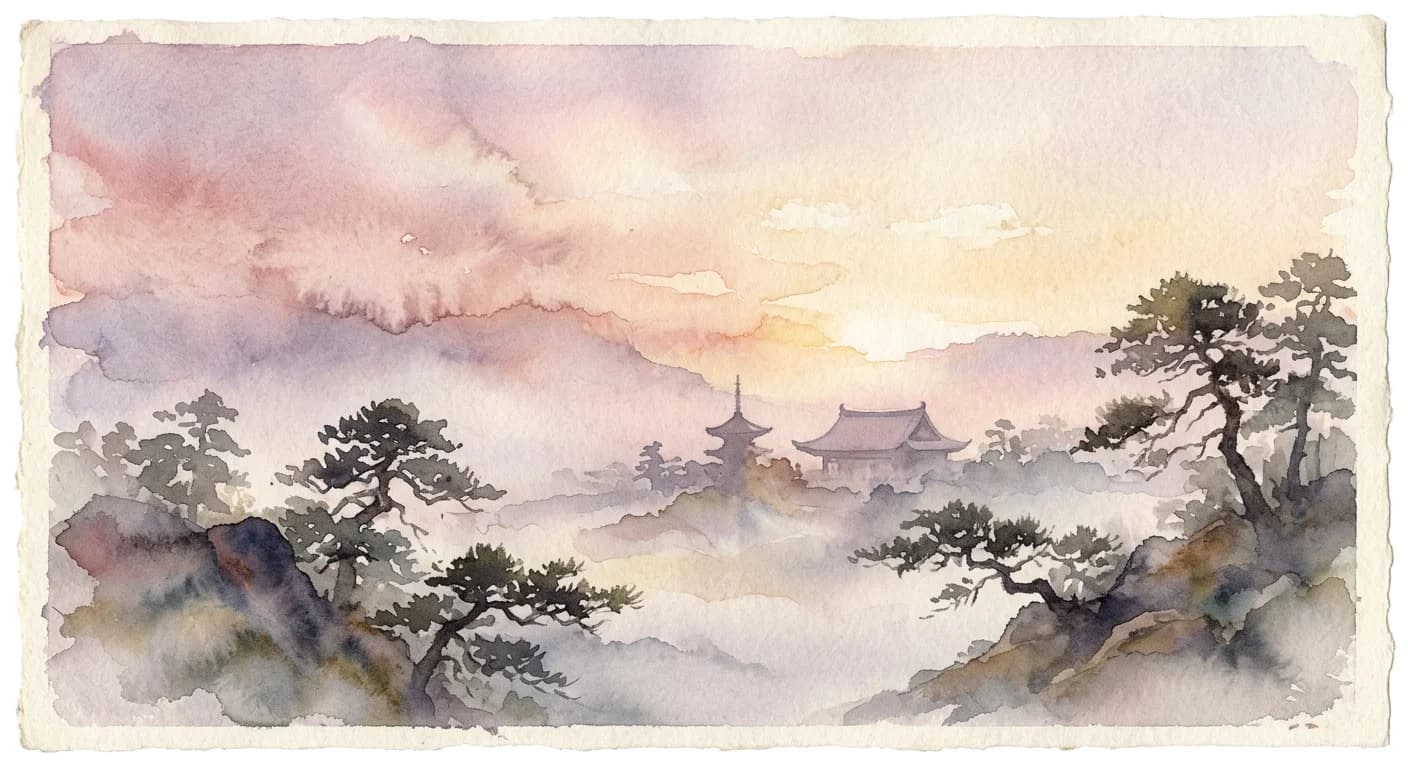
Asahi
/AH-sah-hee/
Meaning
"Asahi" transcends the literal 'morning sun'; it encapsulates the profound serenity and quiet optimism of dawn in Japan. It evokes the moment the first rays break over the horizon, washing away the night's shadows and heralding a pristine start. More than just a time of day, it embodies renewal, clarity, and the promise of a fresh beginning, imbued with a deeply spiritual and hopeful natural beauty that resonates through Japanese art and philosophy.
Literal Translation
morning sun
The Story Behind the Word
The concept of "Asahi" is deeply interwoven with Japan's Shinto beliefs and its reverence for nature. The sun goddess Amaterasu Ōmikami, central to Shinto, is the deity of the sun and the universe, from whom the Japanese imperial family is said to descend. This divine connection elevates the morning sun beyond a mere celestial event; it becomes a daily manifestation of divine presence, purity, and the cyclical renewal of life. Witnessing the "Asahi" is often seen as a moment of spiritual cleansing and an opportunity for introspection, reflecting a worldview that finds harmony and profound meaning in the natural world's rhythms.
Experience It
First Light on Fuji
A hiker, after an arduous night climb, reaches Mount Fuji's summit just as the first sliver of "Asahi" paints the sky. The breathtaking spectacle of the sun rising above the clouds, illuminating the landscape, fills them with a profound sense of accomplishment and spiritual renewal.
New Year's Dawn
Families gather on the coast, bundled against the cold, to witness the "Hatsuhinode" (first sunrise of the New Year). As the "Asahi" emerges, prayers are whispered, and hopes for health and prosperity in the coming year are silently offered, symbolizing a collective fresh start.
What Gets Lost in Translation
English speakers might miss the profound spiritual and cultural layers of "Asahi." It's not just 'morning sun' but carries undertones of divine blessing, purity, and the cyclical renewal central to Shinto. It's less about the literal time and more about the feeling of sacred newness and hope it inherently embodies, often making it unsuitable for casual, purely descriptive use.
Across Cultures
While many cultures appreciate dawn, "Asahi" carries a distinct spiritual weight. The English phrase "new dawn" or "fresh start" captures some of the optimism, but lacks the specific cultural and divine connotations. In some indigenous cultures, like with the Māori word "ata" (dawn, morning), there's a similar reverence for the beginning of the day, often linked to creation or ancestral spirits, though the specific deities differ.
The Deeper Meaning
"Asahi" reveals a worldview deeply rooted in appreciation for nature's cyclical patterns and the inherent purity of beginnings. It underscores a philosophy that finds profound meaning and spiritual solace in the daily renewal offered by the natural world, suggesting that each day presents an opportunity for a fresh start, reflection, and connection to something greater than oneself.
Did You Know?
Did you know that the word "Asahi" is not only a common name but also famously part of Japan's national flag? The red disc represents the sun, often interpreted as the rising sun, symbolizing the land of the rising sun itself.
How It's Used
Used to refer to the morning sun, often in a poetic or symbolic context. It's also the name of a major Japanese beer company and can appear in personal names.