U.
HomeRegionsLanguagesEmotionsCollections
Find Your Word

“The limits of my language mean the limits of my world.”

— Ludwig Wittgenstein, Philosopher

Untranslatable

A curated collection of the world's most beautiful expressions—words that remind us language is humanity's greatest invention.

  • Home
  • Collections
  • Regions
  • Countries
  • Emotions
  • Tags
  • Contexts
  • Finder
  • Europe
  • Asia
  • Americas
  • Africa
  • Middle East
  • About
  • Contact
  • Privacy Policy
  • Terms of Service

2026 © Untranslatable. All rights reserved.

    /
    /
    1. Home
    2. /
    3. Americas
    4. /
    5. Trepadeira
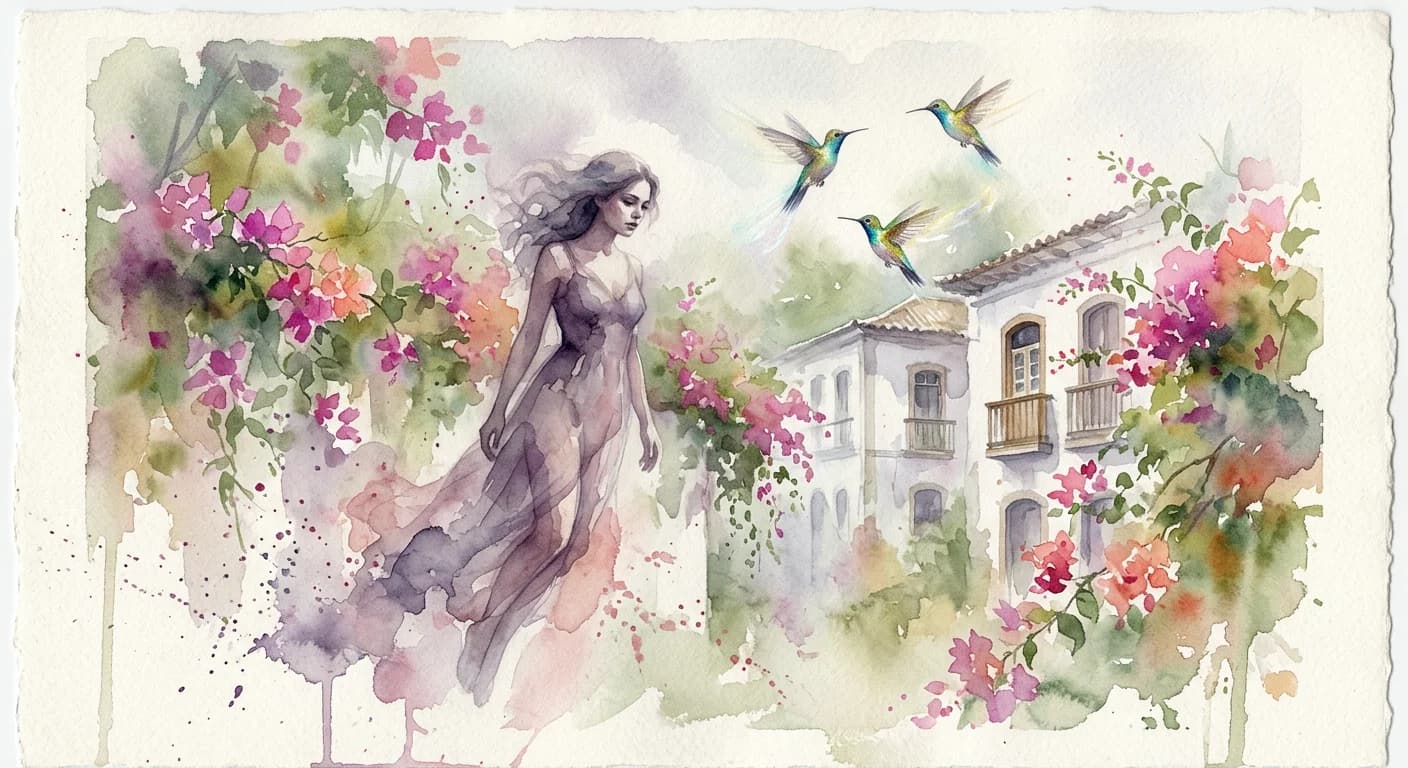
    Artistic representation of Trepadeira
    Portuguese•
    🇧🇷Brazil🇵🇹Portugal

    Trepadeira

    /treh-pah-DEY-rah/

    Meaning

    While literally translating to a climbing or creeping plant, 'trepadeira' in Brazilian Portuguese carries a deeply derogatory and misogynistic connotation. It describes a woman perceived as overly promiscuous, constantly 'climbing' socially or sexually by seducing various partners. This term vividly paints a picture of a woman seen as manipulative and lacking moral integrity, actively seeking to advance her position through sexual means, rather than through merit or genuine connection. It's a loaded accusation, rooted in a judgmental gaze upon female sexuality.

    Literal Translation

    climber / creeper

    The Story Behind the Word

    The pejorative use of 'trepadeira' is deeply embedded in Brazil's patriarchal societal structures, which historically placed immense pressure on women to uphold strict codes of sexual conduct, often tied to honor and family reputation. The word reflects a double standard where male promiscuity is often tolerated or even celebrated, while female sexual agency is policed and condemned. Its existence reveals a cultural tendency to categorize and shame women who deviate from prescribed norms, particularly concerning their sexuality. The metaphor of a climbing plant, reaching for support, subtly implies a woman who is perceived as using men as 'rungs' on a ladder, highlighting a view of female ambition as inherently suspect when intertwined with sexuality.

    Experience It

    Gossip at the Bar

    At the local bar, two acquaintances are whispering. "Did you see how she was flirting with the new manager? Classic trepadeira, always trying to get ahead." The speaker rolls their eyes, implying a history of such behavior.

    Mother's Warning

    A mother is cautioning her teenage daughter about a new girl at school. "Be careful with her, my dear. Some girls are real trepadeiras, and you don't want to get involved in that kind of drama." Her tone is laced with concern and judgment.

    The Deeper Meaning

    This word offers a window into a worldview where female sexuality is not seen as an autonomous expression but as a tool, either for social climbing or for moral condemnation. It reveals a societal anxiety around female agency and ambition, particularly when it intersects with traditional gender roles. The term implicitly argues that a woman's value is diminished, and her character questioned, if she is perceived to be too sexually active or strategic in her relationships.

    Did You Know?

    The botanical 'trepadeira' often refers to beautiful flowering vines like bougainvillea or passion flowers, creating a stark and ironic contrast with the human connotation.

    How It's Used

    Used colloquially, primarily in Brazil, to describe a woman with a reputation for being promiscuous or having many sexual partners. It can also refer to a climbing plant.

    Emotion
    anger
    Contexts
    daily life,social interaction
    🇧🇷Brazil🇵🇹Portugal

    by Annelise Dubois·Written Mar 10, 2026·Updated Apr 3, 2026

    Related Words

    Explore more
    Pura vidaSpanish

    More than just 'pure life,' "Pura vida" encapsulates a profound philosophy of embracing the present moment with unwavering optimism and gratitude. It's a daily commitment to finding joy in simple pleasures, accepting life's challenges with a positive spirit, and prioritizing well-being over material possessions. This ubiquitous phrase reflects a national identity built on resilience, community, and an deep appreciation for nature's bounty.

    MamihlapinatapaiYaghan

    Mamihlapinatapai encapsulates that profound, unspoken moment when two individuals lock eyes, each silently acknowledging a mutual desire or intention, yet both hesitate to be the first to act upon it. It's a delicate dance of anticipation, a shared gaze brimming with common understanding and a quiet longing for the other to break the ice. This intricate look carries the weight of a shared, uninitiated potential, a silent conversation where both parties are perfectly aware of what could happen, but neither makes the first move.

    TingoPascuense

    Tingo describes the subtle, insidious process of progressively appropriating a neighbor's belongings by habitually requesting to borrow them, only to 'forget' their return. It's not outright theft, but a slow, deliberate erosion of another's possessions, often under the guise of neighborly exchange. This gradual accumulation, piece by piece, ultimately results in a significant transfer of goods without any direct confrontation or formal acknowledgment of the loss. It speaks to a passive-aggressive form of acquisition, where social niceties are weaponized.

    JobbigtSwedish

    Jobbigt captures that distinctly Swedish feeling of mild, yet persistent, inconvenience or effort that saps one's energy without being truly overwhelming. It's the subtle friction of daily life – a slow-loading webpage, a slightly too-heavy grocery bag, or a minor administrative hurdle – that collectively makes a day feel more taxing than it should. This word perfectly encapsulates the weary resignation to life's small struggles, acknowledging them without dramatic complaint, often accompanied by a quiet sigh.