Dunkelheit
/DOON-kel-hite/
Meaning
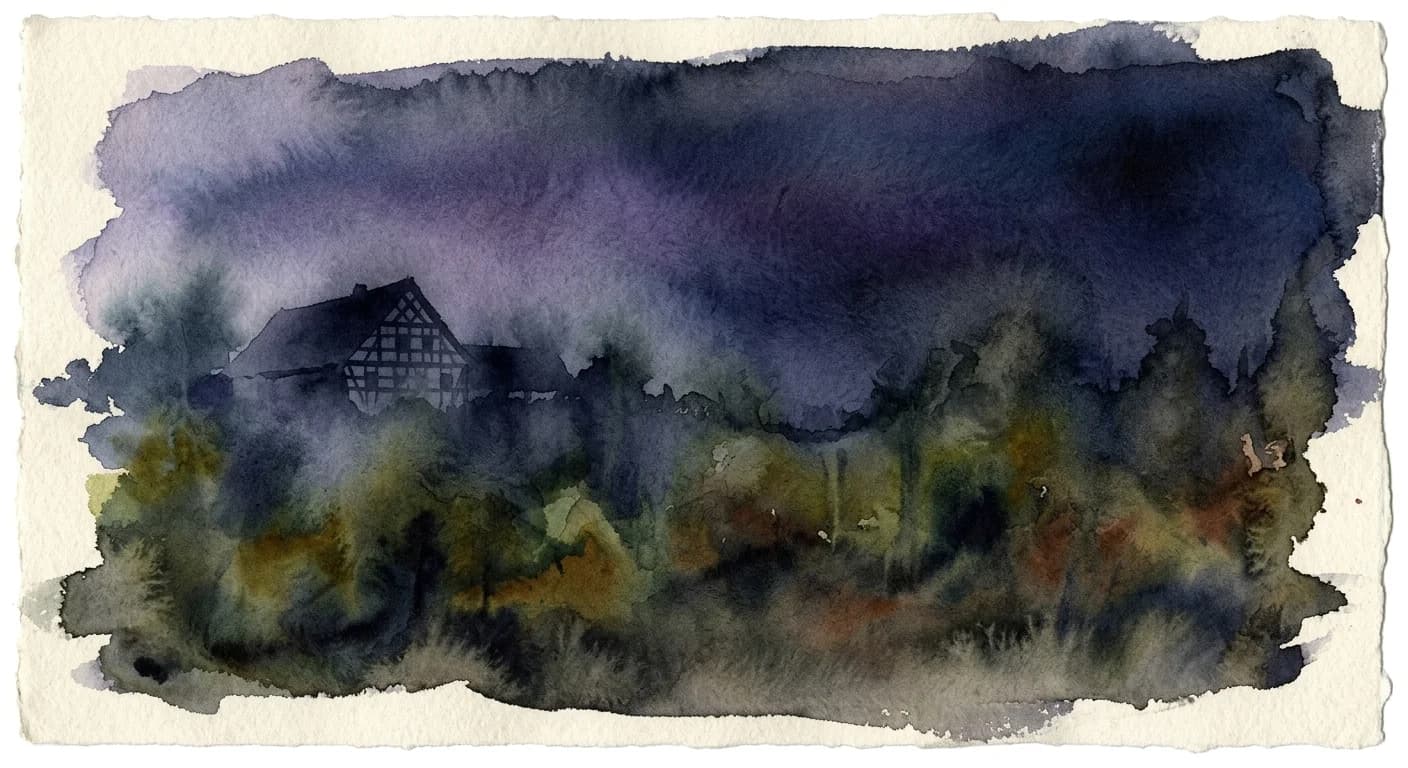
Dunkelheit transcends the mere absence of light; it signifies a profound, almost sentient state of obscurity. It conjures images of the deep, velvety blackness of a moonless forest, the hushed quiet of a vast, unlit space, or the profound depths of the human psyche. More than just physical darkness, it embodies a realm for contemplation, mystery, and the beautiful melancholy often found in introspection and the unknown, deeply woven into German thought and art.
Literal Translation
Darkness
The Story Behind the Word
The concept of "Dunkelheit" is deeply embedded in German cultural consciousness, reflecting a long-standing fascination with the sublime, the introspective, and the romantic. German Romanticism, in particular, embraced darkness not as something to be feared, but as a source of mystery, wonder, and profound emotional experience. Philosophers like Schelling and poets like Novalis explored the 'night side' of existence, seeing in Dunkelheit a space for the unconscious, the spiritual, and the unfathomable. It's not just a lack of illumination, but a fertile ground for inner exploration, revealing a culture that values depth, introspection, and a nuanced understanding of both light and shadow in life and thought. This perspective suggests a worldview that doesn't shy away from the somber or the unknown, but rather finds meaning and beauty within it.
Experience It
Forest's Embrace
As dusk fell, the ancient Black Forest embraced a profound Dunkelheit. The canopy overhead became an indistinguishable mass, and the path ahead vanished, leaving only the rustle of leaves and the scent of damp earth to guide the senses.
Soul's Depths
After a period of intense self-reflection, she found herself in a metaphorical Dunkelheit, grappling with unanswered questions about her purpose. It was a challenging, yet necessary, journey into the unknown depths of her own soul.
The Deeper Meaning
Dunkelheit reveals a worldview that doesn't inherently equate darkness with evil or absence, but rather with profundity, mystery, and a space for inner growth. It suggests that true understanding often emerges from periods of obscurity, introspection, and grappling with the unknown, mirroring the philosophical tradition of finding truth in the unlit corners of existence.
Did You Know?
The word "Dunkelheit" shares its root with the Old High German word "tunkal," meaning dark, and is related to the English "dim" and "dark."
How It's Used
Used to describe literal darkness, such as at night or in a cave, but also metaphorically to describe states of mind, mystery, or the unknown.