U.
HomeRegionsLanguagesEmotionsCollections
Find Your Word

“The limits of my language mean the limits of my world.”

— Ludwig Wittgenstein, Philosopher

Untranslatable

A curated collection of the world's most beautiful expressions—words that remind us language is humanity's greatest invention.

  • Home
  • Collections
  • Regions
  • Countries
  • Emotions
  • Tags
  • Contexts
  • Finder
  • Europe
  • Asia
  • Americas
  • Africa
  • Middle East
  • About
  • Contact
  • Privacy Policy
  • Terms of Service

2026 © Untranslatable. All rights reserved.

    /
    /
    1. Home
    2. /
    3. Europe
    4. /
    5. Dygn
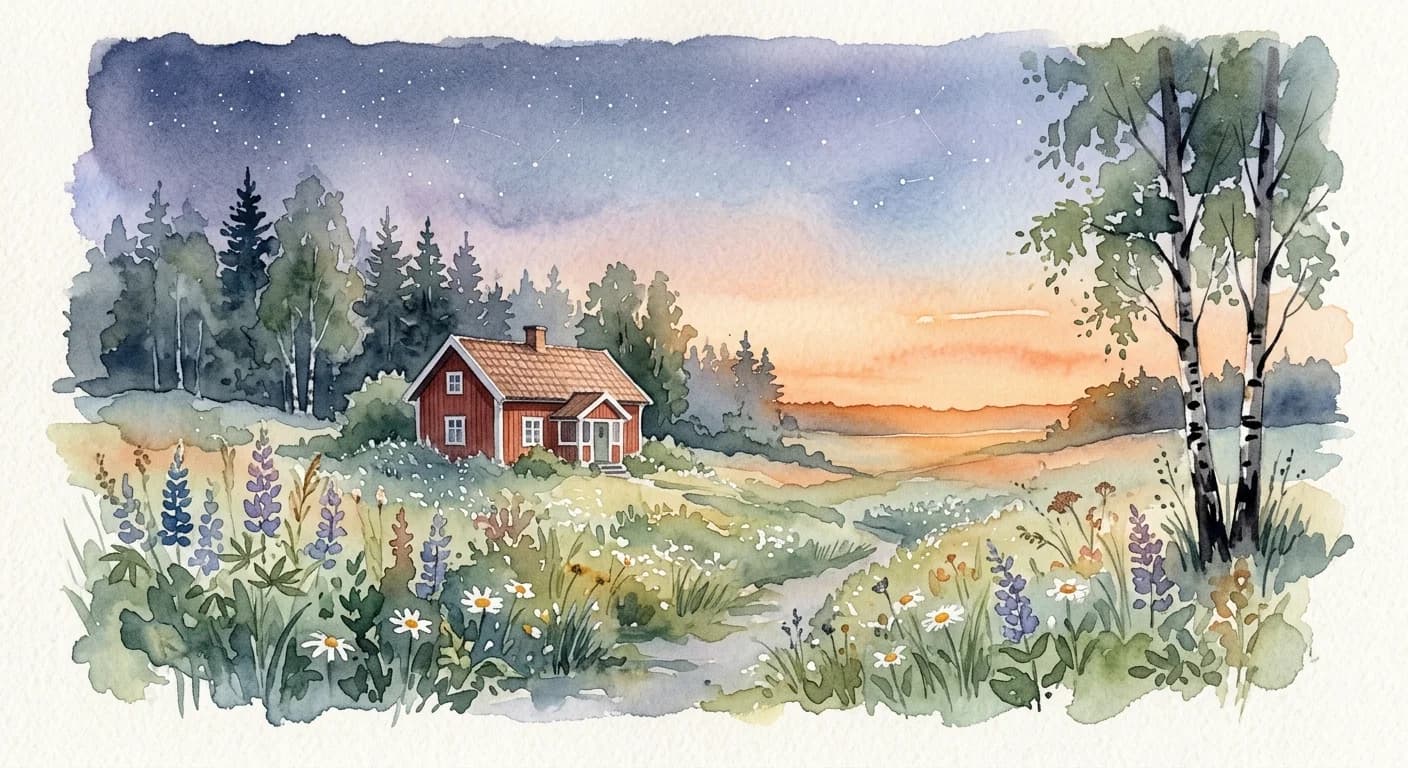
    Artistic representation of Dygn
    Swedish•
    🇸🇪Sweden

    Dygn

    /DIG-un/

    Meaning

    Dygn meticulously refers to a complete 24-hour period, gracefully encapsulating both the sunlit hours and the depths of night. It signifies the full, uninterrupted cycle of a day, from one midnight to the next, emphasizing completeness and the natural rhythm of time. This precise term goes beyond a simple measure, reflecting a cultural appreciation for the continuous flow and distinct phases within a whole day, ensuring no ambiguity between daylight and the entire diurnal cycle.

    Literal Translation

    24-hour period

    The Story Behind the Word

    The existence and common usage of 'dygn' in Swedish culture speaks volumes about a societal emphasis on order, precision, and a deep connection to natural cycles, particularly given Sweden's dramatic seasonal light variations. In a land where summer days stretch endlessly and winter nights are long and profound, clearly distinguishing between 'day' (dag) as daylight and 'dygn' as the full 24-hour rotation becomes essential for planning, communication, and even personal well-being. It reflects a practical need for clarity in scheduling and a philosophical understanding of time as an unbroken, cyclical entity rather than fragmented segments. This linguistic precision ensures that when Swedes discuss a 'dygn', everyone understands the comprehensive temporal unit, fostering a shared, unambiguous perception of time.

    Experience It

    Planning a Trip

    "Vi behöver minst tre dygn i Norrland för att hinna se allt," Anna explained. She meant they needed three full 24-hour periods, including nights, to properly experience the northern landscape, not just three 'days' of daylight.

    Shift Work Schedule

    The hospital schedule indicated '2 dygn ledigt' for the nurse. This clearly communicated she had two complete 24-hour periods off from work, ensuring she understood the full extent of her break, including both days and nights.

    The Deeper Meaning

    The precision of 'dygn' reveals a worldview that values clear, unambiguous communication and a recognition of the inherent, unbroken cycle of time. It suggests a culture that respects natural rhythms and seeks to define its temporal units with exactitude, perhaps influenced by the stark contrast of light and dark throughout the year in Scandinavia.

    Did You Know?

    The word 'dygn' shares its etymological roots with the Old Norse 'dœgn', highlighting its ancient origins and consistent meaning across centuries in Nordic languages.

    How It's Used

    Used in Swedish to refer to a full 24-hour period, often when discussing schedules, sleep, or the passage of time over a complete day-night cycle.

    Emotions
    belonging,peace,serenity
    Contexts
    relaxation,seasons,weather,work
    🇸🇪Sweden

    by Anya Petrova·Written Mar 14, 2026·Updated Apr 3, 2026

    Related Words

    Explore more
    HyggeDanish

    Hygge is more than mere coziness; it's a holistic embrace of comfort, warmth, and belonging that nourishes the soul. It describes the intentional creation of an intimate atmosphere where simple pleasures, genuine connection, and mindful presence converge, fostering a profound sense of contentment and well-being. It's about finding joy and peace in the small, everyday moments, often shared with loved ones.

    SaudadePortuguese

    Saudade encapsulates a profound, melancholic longing for something or someone cherished that is absent, often with the bittersweet knowledge that it may never return. It's a deep emotional state tinged with nostalgia, evoking a sense of loss for past experiences, places, or people, yet also holding a tender appreciation for the beauty of what once was. This yearning is not merely sadness, but a complex tapestry of desire, memory, and a poignant acceptance of absence, holding the beloved in a warm, persistent embrace within the heart.

    GezelligDutch

    Gezellig encapsulates a profound sense of warmth, belonging, and convivial comfort, extending beyond mere coziness to embrace the social and emotional atmosphere. It's the feeling of being truly at ease, surrounded by good company, laughter, and a shared sense of contentment. This untranslatable term describes not just a physical space, but a holistic experience where time seems to slow down, fostering genuine connection and a deep sense of well-being.

    Dolce far nienteItalian

    Dolce far niente captures the profound joy and effortless pleasure derived from simply existing without obligation or purpose. It's the art of savoring moments of pure, unadulterated idleness – lying in the sun, watching the clouds drift, or enjoying a leisurely coffee – not as a break from work, but as a valuable state in itself. This 'sweetness of doing nothing' is a conscious embrace of stillness and contentment, allowing the soul to breathe and the senses to fully engage with the present.