Fernfahrer
/FAIRN-fah-rer/
Meaning
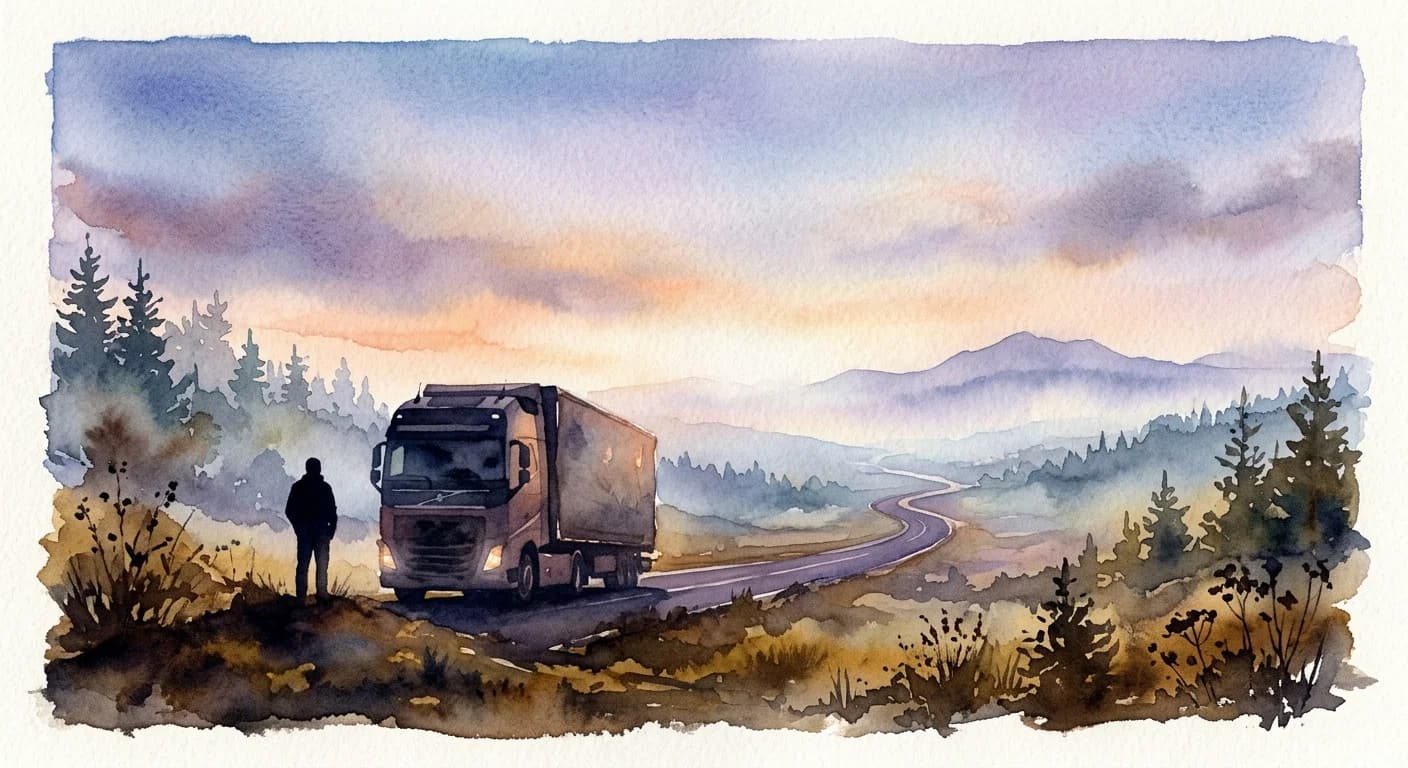
A "Fernfahrer" is more than just a long-distance driver; it evokes the image of a modern-day nomad, navigating the vast network of European highways. These professional truck drivers are the sinews of the economy, ensuring the timely flow of goods from factories to markets, often enduring long periods away from home. Their work is characterized by solitude, demanding schedules, and an unwavering commitment to logistical precision, embodying a unique blend of independence and responsibility.
Literal Translation
long-distance driver
The Story Behind the Word
The term "Fernfahrer" is deeply embedded in German post-war economic history, symbolizing the resurgence of industry and trade that connected Germany to its European neighbors. It reflects a cultural appreciation for order, punctuality, and the critical role of infrastructure in national prosperity. The Fernfahrer embodies the German virtue of 'Fleiß' (diligence) and 'Zuverlässigkeit' (reliability), working tirelessly, often unseen, to maintain the intricate dance of supply chains that underpin the modern economy. It speaks to a society that values the dependable functioning of systems.
Experience It
Roadside Respite
After a grueling 12-hour drive across three borders, Klaus, a seasoned Fernfahrer, pulls his rig into a rest stop. He unpacks a small, familiar meal from his cooler, a brief moment of quiet solitude before the next leg of his journey begins at dawn.
Family Farewell
Little Lena waves goodbye to her father, a Fernfahrer, as he climbs into his truck. She knows he'll be gone for days, transporting car parts to Hungary, but she also knows he's bringing home the livelihood that supports their family, a silent hero of the Autobahn.
What Gets Lost in Translation
English speakers might equate "Fernfahrer" simply with 'trucker' or 'long-haul driver,' missing the specific cultural reverence for the role. It's not just a job; it's a lifestyle choice often passed down through generations, imbued with a stoic dedication to duty that resonates deeply within German work ethic. The term carries a weight of respect for their essential, often unseen, contribution.
Across Cultures
While many languages have terms for long-distance truck drivers (e.g., 'camionero' in Spanish, 'routier' in French), "Fernfahrer" carries a particular German nuance of reliable, disciplined execution. In the US, 'trucker' often conjures an image of rugged individualism, whereas 'Fernfahrer' in Germany leans more towards a sense of collective responsibility and efficiency within a highly organized logistical system.
The Deeper Meaning
The "Fernfahrer" embodies a philosophy of persistent forward motion and the quiet dignity of labor. It speaks to the recognition that societal well-being relies on the often-unseen efforts of individuals who commit to demanding tasks, highlighting the interplay between personal sacrifice and collective benefit in a highly industrialized society.
Did You Know?
Many Fernfahrer personalize their truck cabins, transforming them into a 'second home' with photos, small comforts, and even mini-kitchens, reflecting their extended periods living on the road.
How It's Used
Used to refer to professional long-haul truck drivers.