U.
HomeRegionsLanguagesEmotionsCollections
Find Your Word

“The limits of my language mean the limits of my world.”

— Ludwig Wittgenstein, Philosopher

Untranslatable

A curated collection of the world's most beautiful expressions—words that remind us language is humanity's greatest invention.

  • Home
  • Collections
  • Regions
  • Countries
  • Emotions
  • Tags
  • Contexts
  • Finder
  • Europe
  • Asia
  • Americas
  • Africa
  • Middle East
  • About
  • Contact
  • Privacy Policy
  • Terms of Service

2026 © Untranslatable. All rights reserved.

    /
    /
    1. Home
    2. /
    3. Europe
    4. /
    5. Forêt
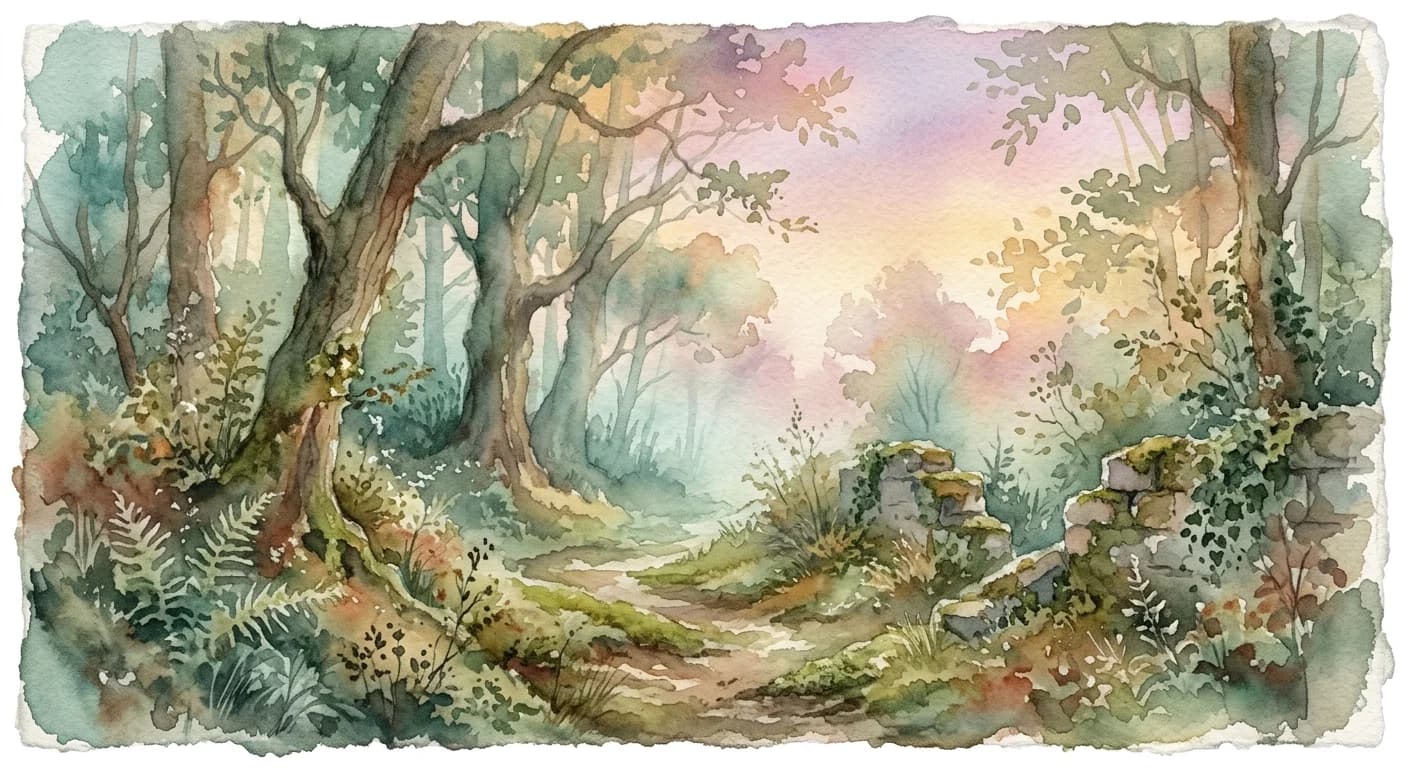
    Artistic representation of Forêt
    French•
    🇫🇷France

    Forêt

    /fuh-RET/

    Meaning

    The French word 'forêt' goes beyond a mere collection of trees; it embodies a profound, almost sacred, connection to the ancient woodlands that have shaped France's geography, history, and collective imagination. It evokes a landscape steeped in myth and memory, a place of both wild, untamed beauty and serene, contemplative refuge. More than a habitat, it is a living entity, a repository of cultural narratives, and a symbol of enduring natural power.

    Literal Translation

    forest

    The Story Behind the Word

    The 'forêt' holds immense cultural weight in France, deeply intertwined with national identity and history. From the ancient Celtic forests, sites of druidic rituals, to the royal hunting grounds of medieval kings, and the strategic woodlands that shaped countless battles, forests have always been central. They feature prominently in folklore, fairy tales (e.g., 'Le Petit Chaperon Rouge' – Little Red Riding Hood), and literature, often symbolizing mystery, danger, solace, or transformation. This deep historical presence means 'forêt' isn't just a natural feature, but a cultural landscape imbued with layers of human experience and imagination. It reflects a reverence for nature that is both aesthetic and historical, viewing these spaces as vital parts of the national patrimony.

    Experience It

    Childhood Forest Adventures

    A young girl recounts her summer holidays, 'Nous passions nos journées à explorer la forêt derrière la maison de grand-mère. Chaque arbre, chaque sentier était une nouvelle aventure, plein de secrets et de bruits mystérieux.' (We spent our days exploring the forest behind grandmother's house. Every tree, every path was a new adventure, full of secrets and mysterious sounds.)

    Philosophical Retreat

    An artist explains his inspiration, 'Je trouve ma paix la plus profonde dans la forêt. Marcher sous la canopée me permet de me reconnecter avec quelque chose de plus grand, d'oublier le tumulte du monde moderne.' (I find my deepest peace in the forest. Walking beneath the canopy allows me to reconnect with something greater, to forget the tumult of the modern world.)

    The Deeper Meaning

    The concept of 'forêt' in France reveals a philosophical perspective where humanity is deeply embedded within, rather than separate from, the natural world. It underscores a sense of continuity with the past, seeing nature not just as a resource but as a living archive and a source of spiritual and historical sustenance. It suggests an appreciation for the wild and untamed as essential components of beauty and identity.

    Did You Know?

    Louis XIV's minister Jean-Baptiste Colbert implemented major reforms in the 17th century to manage French forests, ensuring timber for the navy, a legacy that still influences forest management today.

    How It's Used

    Used to refer to a large area covered chiefly with trees and undergrowth, but also carries a more poetic and evocative connotation in literature and everyday conversation.

    Emotions
    peace,serenity,wonder
    Contexts
    nature,seasons,solitude
    🇫🇷France

    by Sofia Rossi·Written Mar 14, 2026·Updated Apr 3, 2026

    Related Words

    Explore more
    HyggeDanish

    Hygge is more than mere coziness; it's a holistic embrace of comfort, warmth, and belonging that nourishes the soul. It describes the intentional creation of an intimate atmosphere where simple pleasures, genuine connection, and mindful presence converge, fostering a profound sense of contentment and well-being. It's about finding joy and peace in the small, everyday moments, often shared with loved ones.

    SaudadePortuguese

    Saudade encapsulates a profound, melancholic longing for something or someone cherished that is absent, often with the bittersweet knowledge that it may never return. It's a deep emotional state tinged with nostalgia, evoking a sense of loss for past experiences, places, or people, yet also holding a tender appreciation for the beauty of what once was. This yearning is not merely sadness, but a complex tapestry of desire, memory, and a poignant acceptance of absence, holding the beloved in a warm, persistent embrace within the heart.

    GezelligDutch

    Gezellig encapsulates a profound sense of warmth, belonging, and convivial comfort, extending beyond mere coziness to embrace the social and emotional atmosphere. It's the feeling of being truly at ease, surrounded by good company, laughter, and a shared sense of contentment. This untranslatable term describes not just a physical space, but a holistic experience where time seems to slow down, fostering genuine connection and a deep sense of well-being.

    Dolce far nienteItalian

    Dolce far niente captures the profound joy and effortless pleasure derived from simply existing without obligation or purpose. It's the art of savoring moments of pure, unadulterated idleness – lying in the sun, watching the clouds drift, or enjoying a leisurely coffee – not as a break from work, but as a valuable state in itself. This 'sweetness of doing nothing' is a conscious embrace of stillness and contentment, allowing the soul to breathe and the senses to fully engage with the present.