U.
HomeRegionsLanguagesEmotionsCollections
Find Your Word

“The limits of my language mean the limits of my world.”

— Ludwig Wittgenstein, Philosopher

Untranslatable

A curated collection of the world's most beautiful expressions—words that remind us language is humanity's greatest invention.

  • Home
  • Collections
  • Regions
  • Countries
  • Emotions
  • Tags
  • Contexts
  • Finder
  • Europe
  • Asia
  • Americas
  • Africa
  • Middle East
  • About
  • Contact
  • Privacy Policy
  • Terms of Service

2026 © Untranslatable. All rights reserved.

    /
    /
    1. Home
    2. /
    3. Middle East
    4. /
    5. Abluka
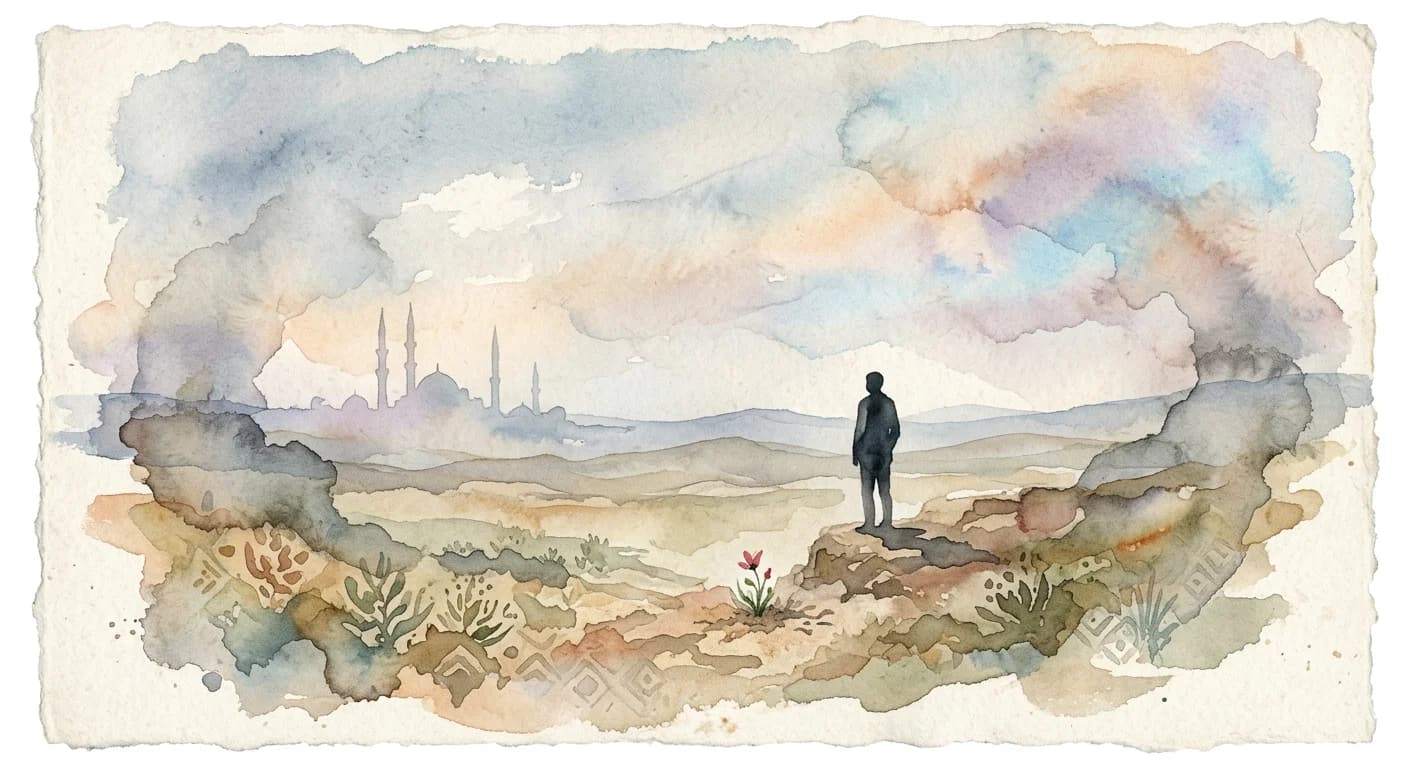
    Artistic representation of Abluka
    Turkish•
    🇹🇷Turkey

    Abluka

    /AH-bloo-kah/

    Meaning

    Abluka describes a profound state of siege, blockade, or encirclement, extending beyond mere physical containment to encompass a visceral sense of being utterly trapped. It evokes the suffocating feeling of all avenues of escape or relief being sealed off, creating an atmosphere of intense pressure and strategic impasse. This word powerfully conveys the psychological weight of isolation and helplessness, where freedom of movement or action is not just limited, but seemingly extinguished, leaving one at the mercy of overwhelming external forces.

    Literal Translation

    Siege, blockade, encirclement

    The Story Behind the Word

    The concept of "abluka" resonates deeply within Turkish culture, historically shaped by centuries of geopolitical struggles, empires rising and falling, and the constant threat of invasion or internal strife. From the sieges of Constantinople to the defense of Gallipoli, the experience of being surrounded and fighting for survival is woven into the national consciousness. This history fosters a collective understanding of resilience in the face of overwhelming odds, but also the profound psychological toll of such confinement. "Abluka" thus reflects a worldview where external threats are a persistent reality, and the ability to endure or break free from encirclement is a testament to strength and determination. It acknowledges the fear and vulnerability inherent in such situations, but also the spirit of defiance.

    Experience It

    The Economic Abluka

    The small town faced an economic abluka after the factory closed, leaving most residents jobless and local businesses struggling. With no alternative industries and dwindling resources, a sense of hopelessness began to settle over the community, trapping them in a cycle of decline.

    Emotional Abluka

    After the argument, an emotional abluka descended upon their home; silence filled the rooms, and each felt isolated in their own thoughts, unable to break through the unspoken tension. The once open communication channels were now completely blocked, leaving them both feeling profoundly alone.

    The Deeper Meaning

    Abluka reveals a worldview attuned to the precariousness of existence and the ever-present potential for external forces to restrict freedom. It underscores the human experience of vulnerability and the psychological impact of confinement, whether physical or metaphorical. The word encapsulates the philosophical tension between individual agency and the overwhelming power of circumstances, highlighting the profound need for resilience and the deep-seated human desire for liberation from constraint.

    Did You Know?

    The word "abluka" itself is believed to have entered Turkish from the Italian "blocco" (blockade) or French "blocus," reflecting historical military and naval interactions.

    How It's Used

    Used in both military and metaphorical contexts to describe a siege, blockade, or a state of being surrounded and trapped.

    Emotions
    hope,longing,melancholy
    Contexts
    solitude,travel,work
    🇹🇷Turkey

    by Annelise Dubois·Written Mar 14, 2026·Updated Apr 3, 2026

    Related Words

    Explore more
    SaudadePortuguese

    Saudade encapsulates a profound, melancholic longing for something or someone cherished that is absent, often with the bittersweet knowledge that it may never return. It's a deep emotional state tinged with nostalgia, evoking a sense of loss for past experiences, places, or people, yet also holding a tender appreciation for the beauty of what once was. This yearning is not merely sadness, but a complex tapestry of desire, memory, and a poignant acceptance of absence, holding the beloved in a warm, persistent embrace within the heart.

    MamihlapinatapaiYaghan

    Mamihlapinatapai encapsulates that profound, unspoken moment when two individuals lock eyes, each silently acknowledging a mutual desire or intention, yet both hesitate to be the first to act upon it. It's a delicate dance of anticipation, a shared gaze brimming with common understanding and a quiet longing for the other to break the ice. This intricate look carries the weight of a shared, uninitiated potential, a silent conversation where both parties are perfectly aware of what could happen, but neither makes the first move.

    TarofPersian

    Tarof is a deeply ingrained Iranian social custom, a delicate dance of politeness and deference where individuals engage in an elaborate exchange of offers and refusals. It's a performative humility, a way of showing respect and avoiding imposing, often involving multiple cycles of insistence and polite decline before a genuine acceptance or refusal is reached. This intricate ritual governs interactions from sharing food to paying bills, creating a nuanced social ballet.

    TarabArabic

    Tarab is far more than mere enjoyment; it's a profound, almost spiritual communion with music, where the performer and audience become one in a shared emotional journey. It signifies a state of ecstatic enchantment, a deep emotional surrender that transcends the self, leading to a transformative experience. This intense connection often manifests as spontaneous vocalizations, tears, or even physical swaying, as the music penetrates the soul and evokes a powerful release of feeling. It's a moment of pure, unadulterated musical rapture.