U.
HomeRegionsLanguagesEmotionsCollections
Find Your Word

“The limits of my language mean the limits of my world.”

— Ludwig Wittgenstein, Philosopher

Untranslatable

A curated collection of the world's most beautiful expressions—words that remind us language is humanity's greatest invention.

  • Home
  • Collections
  • Regions
  • Countries
  • Emotions
  • Tags
  • Contexts
  • Finder
  • Europe
  • Asia
  • Americas
  • Africa
  • Middle East
  • About
  • Contact
  • Privacy Policy
  • Terms of Service

2026 © Untranslatable. All rights reserved.

    /
    /
    1. Home
    2. /
    3. Europe
    4. /
    5. Alborada
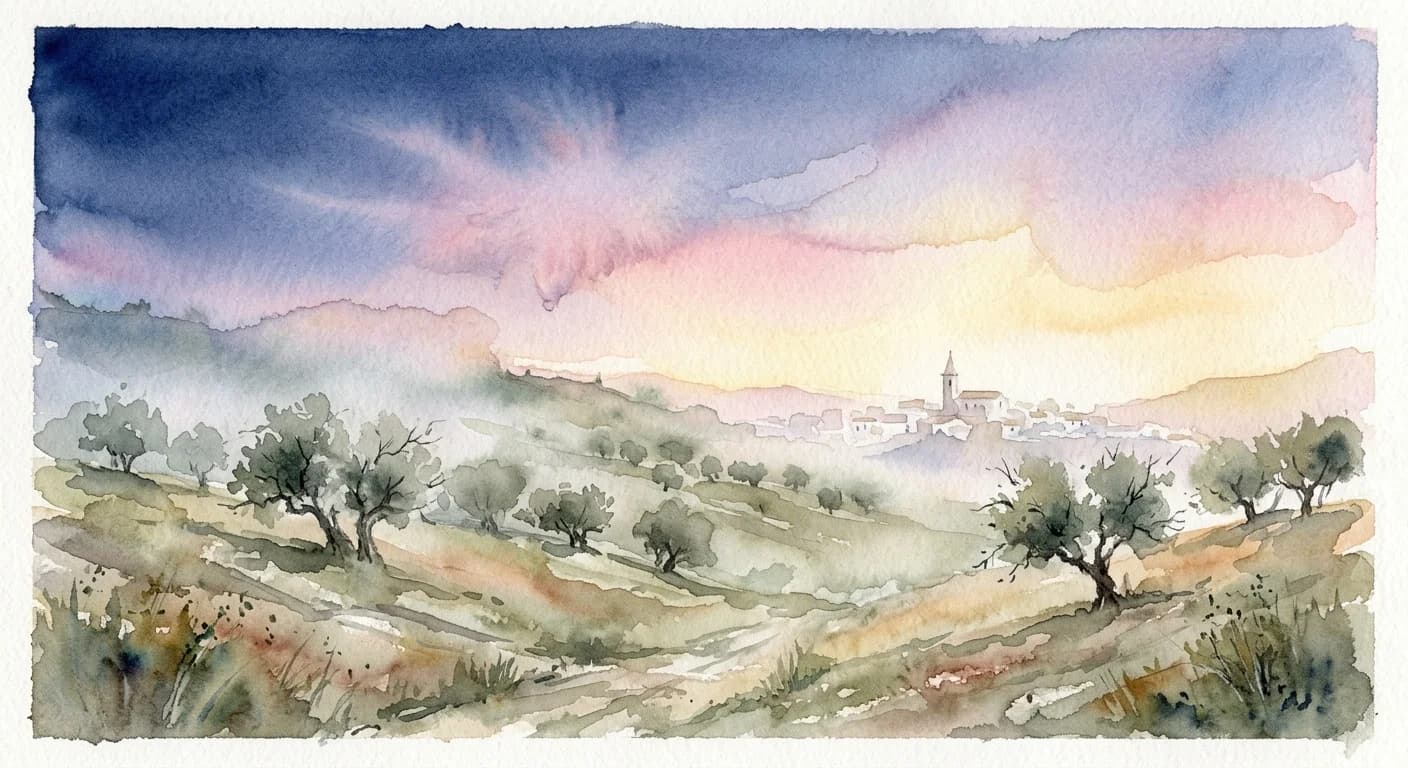
    Artistic representation of Alborada
    Spanish•
    🇦🇷Argentina🇧🇴Bolivia🇨🇱Chile🇨🇴Colombia🇨🇷Costa Rica🇨🇺Cuba🇩🇴Dominican Republic🇪🇨Ecuador🇸🇻El Salvador🇬🇹Guatemala🇭🇳Honduras🇲🇽Mexico🇳🇮Nicaragua🇵🇦Panama🇵🇾Paraguay🇵🇪Peru🇵🇹Portugal🇵🇷Puerto Rico🇪🇸Spain🇺🇾Uruguay🇻🇪Venezuela

    Alborada

    /al-boh-RAH-dah/

    Meaning

    Alborada transcends a mere description of sunrise; it encapsulates the ethereal moment when the deepest shadows of night reluctantly recede, giving way to the first, soft blush of light. It's the hushed, almost sacred interval before the sun itself appears, a time imbued with quiet promise and a gentle awakening of the world. This period evokes a profound sense of renewal, a fresh canvas for the day ahead, painted with the subtle, iridescent hues of a sky transitioning from indigo to rose.

    Literal Translation

    dawn, daybreak

    The Story Behind the Word

    The word "alborada" is deeply rooted in the agrarian rhythms and Christian traditions of Spain, where the dawn was not just a daily occurrence but a moment of spiritual and practical significance. Farmers would begin their labor with the first light, and the morning star (Venus) often heralded this sacred time. In medieval and Renaissance Spain, "alboradas" were also a specific genre of musical serenade, often performed by a lover at his beloved's window at daybreak, a romantic gesture marking the transition from night's secrecy to day's openness. This cultural practice solidified the word's association with both natural beauty and human emotion, particularly hope and tender beginnings. It reflects a culture that values the cyclical nature of time, finding beauty and meaning in the subtle shifts of the natural world and integrating them into artistic and social customs.

    Experience It

    Mountain Dawn Serenade

    High in the Sierra Nevada, a lone shepherd played his flute as the first light, the alborada, painted the peaks. The cold night air still clung to the valleys, but a golden promise was spreading across the sky, echoing the gentle melody.

    Coastal Morning Ritual

    Sitting on the Galician coast, María watched the alborada break over the Atlantic. The muted grays of the sea began to shimmer with faint blues and pinks, a quiet, profound moment of peace before the fishing boats stirred to life.

    The Deeper Meaning

    Alborada speaks to a philosophy that finds profound meaning in liminal spaces and transitional moments. It highlights the beauty and potential inherent in beginnings, suggesting that true renewal isn't a sudden event but a gradual, gentle unfolding. This perspective encourages an appreciation for the subtle shifts in life and nature, emphasizing hope and the quiet power of a fresh start before the full intensity of the day arrives.

    Did You Know?

    In medieval Spain, an 'alborada' was not just a poetic concept but a specific musical form, often a love song or serenade performed at dawn, similar to a 'serenata' performed in the evening.

    How It's Used

    Typically used in literature, poetry, and song to describe the dawn. It can also refer to a musical piece composed in the style of a dawn chorus or serenade, often performed at sunrise.

    Emotions
    hope,peace,serenity,wonder
    Contexts
    celebration,greeting,nature,seasons
    🇦🇷Argentina🇧🇴Bolivia🇨🇱Chile🇨🇴Colombia🇨🇷Costa Rica🇨🇺Cuba🇩🇴Dominican Republic🇪🇨Ecuador🇸🇻El Salvador🇬🇹Guatemala🇭🇳Honduras🇲🇽Mexico🇳🇮Nicaragua🇵🇦Panama🇵🇾Paraguay🇵🇪Peru🇵🇹Portugal🇵🇷Puerto Rico🇪🇸Spain🇺🇾Uruguay🇻🇪Venezuela

    by Sofia Rossi·Written Mar 14, 2026·Updated Apr 3, 2026

    Related Words

    Explore more
    HyggeDanish

    Hygge is more than mere coziness; it's a holistic embrace of comfort, warmth, and belonging that nourishes the soul. It describes the intentional creation of an intimate atmosphere where simple pleasures, genuine connection, and mindful presence converge, fostering a profound sense of contentment and well-being. It's about finding joy and peace in the small, everyday moments, often shared with loved ones.

    SaudadePortuguese

    Saudade encapsulates a profound, melancholic longing for something or someone cherished that is absent, often with the bittersweet knowledge that it may never return. It's a deep emotional state tinged with nostalgia, evoking a sense of loss for past experiences, places, or people, yet also holding a tender appreciation for the beauty of what once was. This yearning is not merely sadness, but a complex tapestry of desire, memory, and a poignant acceptance of absence, holding the beloved in a warm, persistent embrace within the heart.

    GezelligDutch

    Gezellig encapsulates a profound sense of warmth, belonging, and convivial comfort, extending beyond mere coziness to embrace the social and emotional atmosphere. It's the feeling of being truly at ease, surrounded by good company, laughter, and a shared sense of contentment. This untranslatable term describes not just a physical space, but a holistic experience where time seems to slow down, fostering genuine connection and a deep sense of well-being.

    Dolce far nienteItalian

    Dolce far niente captures the profound joy and effortless pleasure derived from simply existing without obligation or purpose. It's the art of savoring moments of pure, unadulterated idleness – lying in the sun, watching the clouds drift, or enjoying a leisurely coffee – not as a break from work, but as a valuable state in itself. This 'sweetness of doing nothing' is a conscious embrace of stillness and contentment, allowing the soul to breathe and the senses to fully engage with the present.