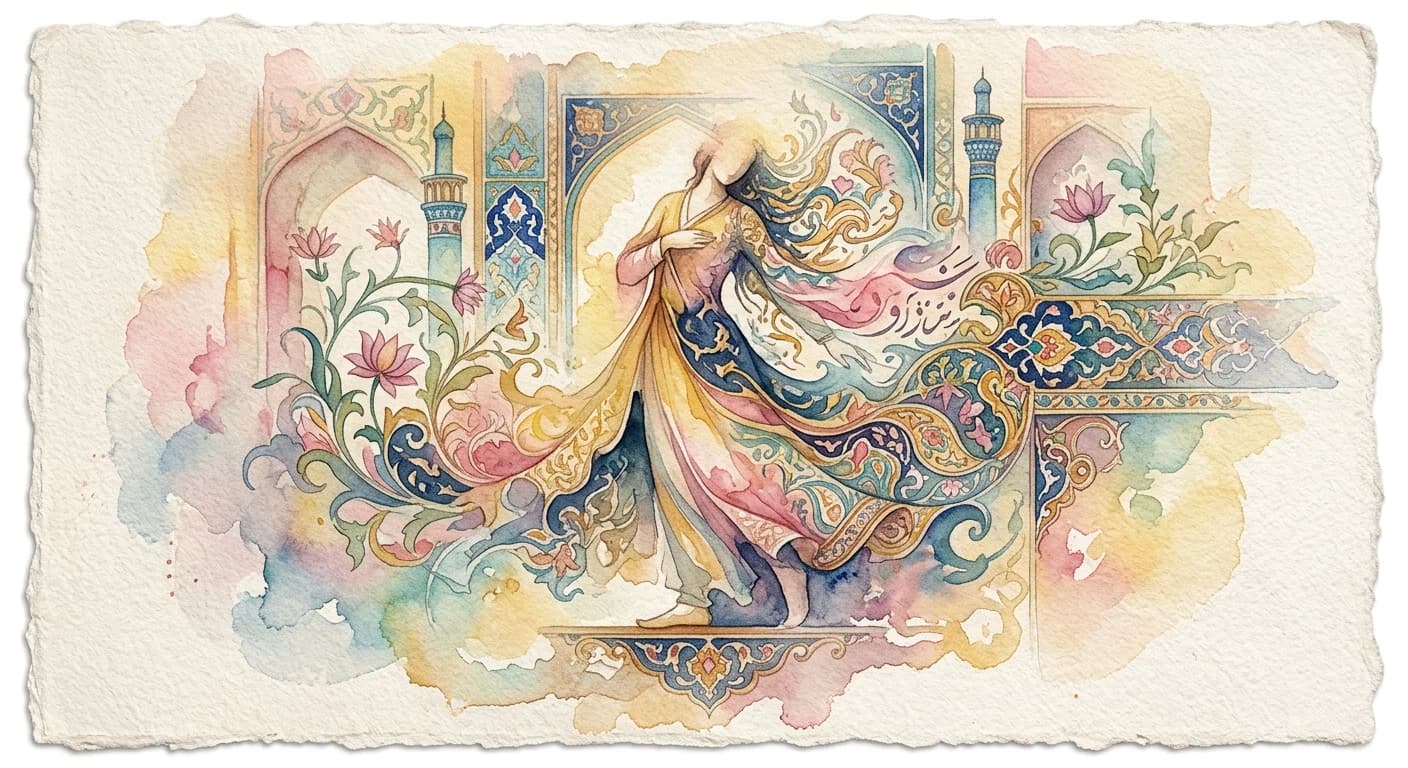
Bazigaran
/BAH-zee-gah-RAHN/
Meaning
"Bazigaran" transcends the simple translation of 'actors,' embodying the profound artistry and transformative power performers wield in Persian culture. It refers to individuals who not only portray characters but also infuse them with a heightened reality, blurring the lines between their personal essence and the roles they inhabit. This term evokes a deep appreciation for their craft, acknowledging the emotional depth and intellectual rigor required to transport audiences into different worlds, making them an integral part of Iran's rich storytelling tradition.
Literal Translation
Actors/Performers
The Story Behind the Word
The concept of "bazigaran" is deeply rooted in Iran's ancient and vibrant artistic heritage, particularly its long history of epic poetry, dramatic storytelling (pardeh-khani), and traditional theater (ta'zieh). Unlike a mere 'actor' who performs a script, a "bazigar" is often seen as a conduit for collective memory and emotion, a living bridge between narratives and the audience. This perspective reflects a culture that values the power of performance not just as entertainment, but as a medium for moral instruction, historical reflection, and spiritual contemplation. The word itself carries a weight of respect for those who dedicate themselves to this demanding art form, often navigating complex social and political landscapes to bring stories to life. Their ability to evoke empathy and provoke thought solidifies their esteemed position within Iranian society, making their craft more than just a job, but a calling.
Experience It
A Director's Vision
The renowned director watched the screen test, a thoughtful expression on his face. "This young man has the soul of a 'bazigar'," he declared, "He doesn't just act; he lives the part, transforming completely." His team nodded, understanding the depth of the compliment.
Theater Night Praise
After the play, the audience buzzed with energy. "Tonight, the 'bazigaran' truly outdid themselves!" exclaimed an elderly woman to her friend. "Their portrayal of love and loss was so powerful, I felt every emotion as if it were my own."
What Gets Lost in Translation
English speakers might misunderstand "bazigaran" as merely 'movie stars' or 'stage actors.' However, it carries a richer connotation of dedication to craft and emotional immersion. It's less about celebrity status and more about the profound artistic commitment and transformative power the performer brings to their role, often blurring the lines of their public and character personas.
Across Cultures
While English uses 'actor' or 'performer,' there isn't a single word capturing the same blend of artistry, emotional depth, and cultural reverence embedded in "bazigaran." Japanese 'kabuki yakusha' (歌舞伎役者) for Kabuki actors or Indian 'nat' (नट) for traditional performers come close in denoting a specialized, respected artistic tradition, but "bazigaran" applies broadly to modern cinema and theater with this nuanced appreciation.
The Deeper Meaning
"Bazigaran" reveals a worldview that sees performance not as mere imitation but as a profound act of embodiment and revelation. It suggests that through the performer, deeper truths about human experience, society, and even the divine can be brought forth and shared. This perspective elevates the act of storytelling to a spiritual or philosophical endeavor, where the performer is a vessel for collective understanding and emotional catharsis.
Did You Know?
Did you know that in classical Persian literature, the term "bazigaran" could also metaphorically refer to the 'players' on the stage of life, highlighting the philosophical idea that all of humanity is performing roles within the grand cosmic drama?
How It's Used
Used to refer to actors, particularly in the context of film and theater in Iran. It can be used in everyday conversation, reviews, or discussions about the performing arts.