U.
HomeRegionsLanguagesEmotionsCollections
Find Your Word

“The limits of my language mean the limits of my world.”

— Ludwig Wittgenstein, Philosopher

Untranslatable

A curated collection of the world's most beautiful expressions—words that remind us language is humanity's greatest invention.

  • Home
  • Collections
  • Regions
  • Countries
  • Emotions
  • Tags
  • Contexts
  • Finder
  • Europe
  • Asia
  • Americas
  • Africa
  • Middle East
  • About
  • Contact
  • Privacy Policy
  • Terms of Service

2026 © Untranslatable. All rights reserved.

    /
    /
    1. Home
    2. /
    3. Europe
    4. /
    5. Camino
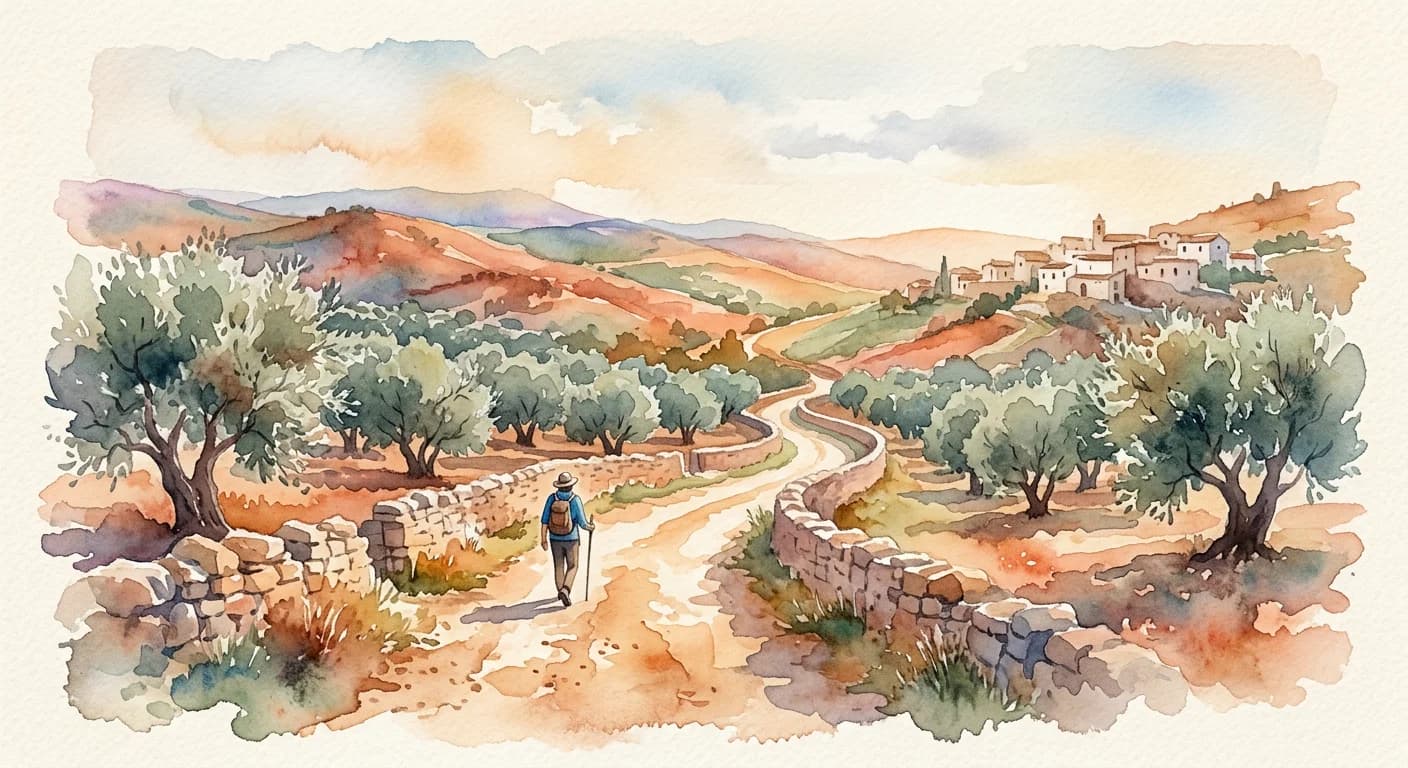
    Artistic representation of Camino
    Spanish•
    🇲🇽Mexico🇵🇹Portugal🇪🇸Spain

    Camino

    /kah-MEE-noh/

    Meaning

    More than a mere path, 'camino' in Spanish embodies the entire transformative journey, whether physical or metaphorical. It signifies the arduous yet rewarding process of travel, the challenges overcome, the profound lessons absorbed, and the deep introspection that unfolds with each step. It's not solely about reaching a destination, but about the profound, often spiritual, evolution that occurs along the way, imbuing the concept with a sense of purpose, endurance, and self-discovery.

    Literal Translation

    Path, road, way, journey

    The Story Behind the Word

    The concept of 'camino' is deeply woven into Spanish culture, largely due to the enduring legacy of the Camino de Santiago, a pilgrimage route dating back to the Middle Ages. This historic path has shaped a collective understanding that a journey is inherently more than movement; it's a crucible for personal and spiritual growth. The word reflects a cultural appreciation for resilience, inner exploration, and the belief that life's most significant lessons are often learned through sustained effort and the passage of time. It reveals a worldview where the process of striving, rather than just the outcome, holds immense value, reflecting a society that historically embraced both physical hardship and spiritual quest as pathways to wisdom.

    Experience It

    The Pilgrim's Ascent

    After weeks of walking, María finally saw the distant peaks. Each blister, every aching muscle, was part of her 'camino', not just to Santiago, but towards understanding her own strength and faith. The physical path mirrored her internal transformation.

    Life's Winding Path

    Javier, reflecting on his career and family life, mused, "It's been a long 'camino' with many unexpected turns, but I wouldn't trade any of it." He recognized the challenges and joys as integral to his personal growth, shaping the man he had become.

    The Deeper Meaning

    The word 'camino' encapsulates a teleological worldview where purpose is inherent in the journey itself, not just the destination. It suggests that life's true meaning is often uncovered through the act of persistent movement and engagement with challenges, fostering self-discovery and spiritual awakening. This philosophy values process over outcome, emphasizing the transformative power of experience and the lessons learned along the way.

    Did You Know?

    The phrase 'Buen Camino!' is a traditional greeting and farewell among pilgrims on the Camino de Santiago, wishing fellow travelers a good and fulfilling journey, both literally and spiritually.

    How It's Used

    Used to refer to a physical path, road, or route, but more significantly, it's used metaphorically to describe a life journey, a spiritual quest, or a personal journey of growth and self-discovery.

    Emotions
    gratitude,hope,serenity,wonder
    Contexts
    farewell,nature,solitude,travel
    🇲🇽Mexico🇵🇹Portugal🇪🇸Spain

    by Sofia Rossi·Written Mar 14, 2026·Updated Apr 3, 2026

    Related Words

    Explore more
    HyggeDanish

    Hygge is more than mere coziness; it's a holistic embrace of comfort, warmth, and belonging that nourishes the soul. It describes the intentional creation of an intimate atmosphere where simple pleasures, genuine connection, and mindful presence converge, fostering a profound sense of contentment and well-being. It's about finding joy and peace in the small, everyday moments, often shared with loved ones.

    SaudadePortuguese

    Saudade encapsulates a profound, melancholic longing for something or someone cherished that is absent, often with the bittersweet knowledge that it may never return. It's a deep emotional state tinged with nostalgia, evoking a sense of loss for past experiences, places, or people, yet also holding a tender appreciation for the beauty of what once was. This yearning is not merely sadness, but a complex tapestry of desire, memory, and a poignant acceptance of absence, holding the beloved in a warm, persistent embrace within the heart.

    GezelligDutch

    Gezellig encapsulates a profound sense of warmth, belonging, and convivial comfort, extending beyond mere coziness to embrace the social and emotional atmosphere. It's the feeling of being truly at ease, surrounded by good company, laughter, and a shared sense of contentment. This untranslatable term describes not just a physical space, but a holistic experience where time seems to slow down, fostering genuine connection and a deep sense of well-being.

    Dolce far nienteItalian

    Dolce far niente captures the profound joy and effortless pleasure derived from simply existing without obligation or purpose. It's the art of savoring moments of pure, unadulterated idleness – lying in the sun, watching the clouds drift, or enjoying a leisurely coffee – not as a break from work, but as a valuable state in itself. This 'sweetness of doing nothing' is a conscious embrace of stillness and contentment, allowing the soul to breathe and the senses to fully engage with the present.