U.
HomeRegionsLanguagesEmotionsCollections
Find Your Word

“The limits of my language mean the limits of my world.”

— Ludwig Wittgenstein, Philosopher

Untranslatable

A curated collection of the world's most beautiful expressions—words that remind us language is humanity's greatest invention.

  • Home
  • Collections
  • Regions
  • Countries
  • Emotions
  • Tags
  • Contexts
  • Finder
  • Europe
  • Asia
  • Americas
  • Africa
  • Middle East
  • About
  • Contact
  • Privacy Policy
  • Terms of Service

2026 © Untranslatable. All rights reserved.

    /
    /
    1. Home
    2. /
    3. Africa
    4. /
    5. Capulana
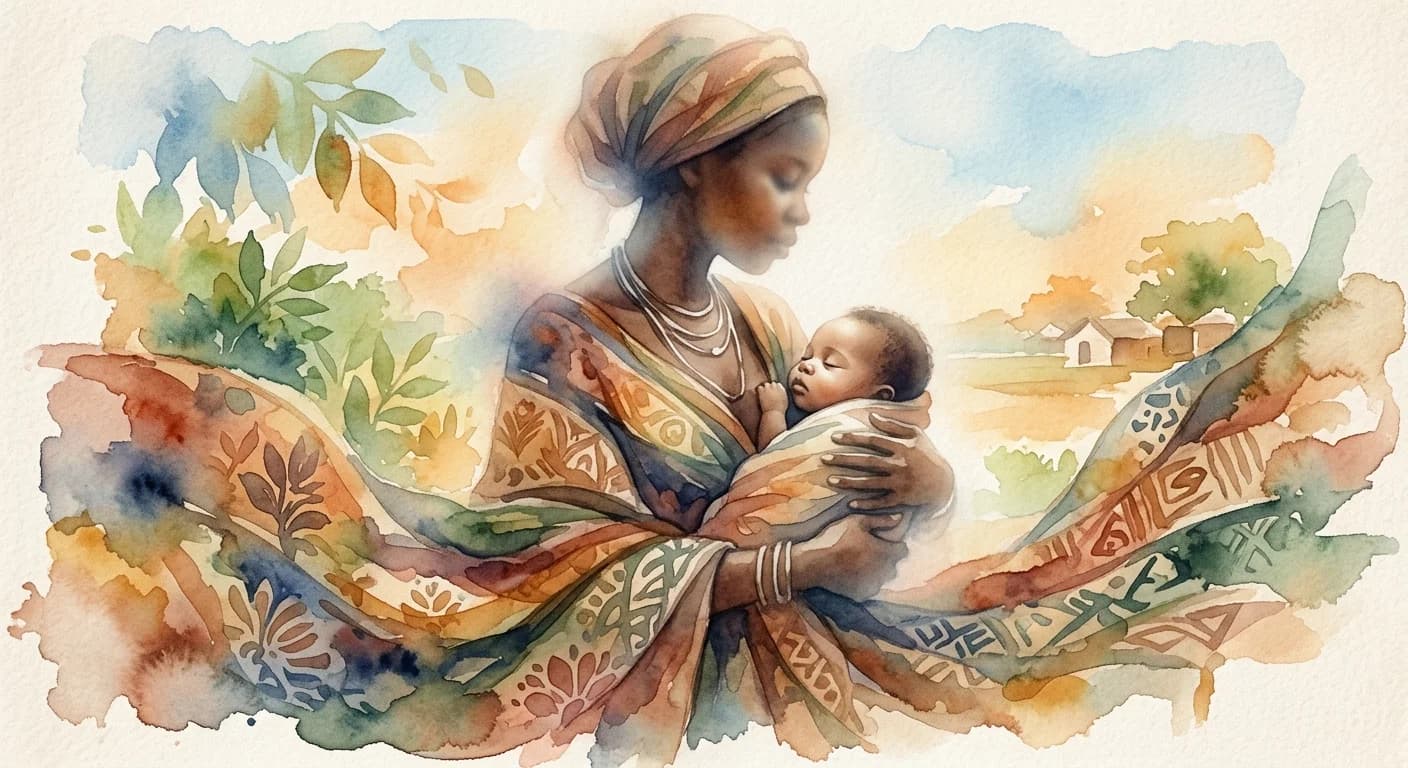
    Artistic representation of Capulana
    Portuguese•
    🇲🇿Mozambique

    Capulana

    /kah-poo-LAH-nah/

    Meaning

    A capulana is far more than just a piece of fabric in Mozambique; it's a vibrant textile tapestry, rich in color and pattern, fundamentally woven into the daily life and identity of its people. Worn predominantly by women as a sarong, wrap-around skirt, or even a head covering, it serves a multitude of practical functions, from carrying infants snugly on a mother's back to transporting goods. Beyond its utility, the capulana is a powerful symbol of cultural pride, artistic expression, and connection to tradition, embodying the very spirit of Mozambican heritage.

    Literal Translation

    While 'capulana' itself is the word for the cloth, its origins trace back to the Makhuwa language, where it refers to a specific type of wrap-around garment.

    The Story Behind the Word

    The capulana's deep roots lie in the historical interactions and indigenous practices of Mozambique. While the term itself traces to the Makhuwa language, the concept of a versatile, patterned cloth is ubiquitous across Bantu-speaking cultures. During the colonial era, capulanas became a subtle yet potent form of resistance and identity preservation, with patterns often carrying coded messages or celebrating local heroes. It reflects a worldview where beauty and practicality are not mutually exclusive, but rather intrinsically linked. The capulana is a living testament to resilience, adaptation, and the enduring power of cultural expression, asserting identity in every fold and hue.

    Experience It

    Market Day Essential

    A young woman deftly wraps a brightly patterned capulana around her waist, securing her baby on her back before heading to the bustling market. The fabric provides comfort and security for her child, while its vibrant design reflects her personal style amidst the colorful stalls.

    Ceremonial Adornment

    During a village celebration, elders and young women alike are adorned in their finest capulanas, some intricately embroidered or specially chosen for the occasion. The coordinated patterns and rich colors signify unity, respect for tradition, and the joyous spirit of community.

    The Deeper Meaning

    The capulana embodies a philosophy of holistic living, where utility, aesthetics, and cultural identity are seamlessly integrated. It reflects a worldview that values resourcefulness, communal bonds, and the enduring power of tradition, demonstrating how everyday objects can carry profound meaning and serve as anchors of cultural continuity.

    Did You Know?

    Did you know that certain capulana patterns and colors can signify marital status, age, or even political affiliation, acting as a non-verbal communication system within Mozambican communities?

    How It's Used

    Used to refer to the textile itself, as well as the garments made from it. It's worn by women in Mozambique for a variety of purposes.

    Emotions
    belonging,gratitude,warmth
    Contexts
    celebration,daily life,family
    🇲🇿Mozambique

    by Kwame Nkrumah·Written Mar 14, 2026·Updated Apr 3, 2026

    Related Words

    Explore more
    GezelligDutch

    Gezellig encapsulates a profound sense of warmth, belonging, and convivial comfort, extending beyond mere coziness to embrace the social and emotional atmosphere. It's the feeling of being truly at ease, surrounded by good company, laughter, and a shared sense of contentment. This untranslatable term describes not just a physical space, but a holistic experience where time seems to slow down, fostering genuine connection and a deep sense of well-being.

    SobremesaSpanish

    Sobremesa is the cherished, often extended period immediately following a meal, particularly lunch or dinner, where diners remain seated at the table to enjoy conversation, coffee, and digest not just the food, but the company itself. It’s a dedicated time for unhurried social bonding, storytelling, and shared laughter, transforming a simple meal into a profound communal experience. Far from just clearing the dishes, sobremesa is an integral part of Spanish social life, often lasting for hours.

    Pura vidaSpanish

    More than just 'pure life,' "Pura vida" encapsulates a profound philosophy of embracing the present moment with unwavering optimism and gratitude. It's a daily commitment to finding joy in simple pleasures, accepting life's challenges with a positive spirit, and prioritizing well-being over material possessions. This ubiquitous phrase reflects a national identity built on resilience, community, and an deep appreciation for nature's bounty.

    UbuntuZulu/Xhosa

    Ubuntu is a profound African philosophy that translates to 'I am because we are,' signifying that an individual's humanity is inextricably linked to the humanity of others. It embodies the belief that our existence and well-being are deeply intertwined with the community. This concept emphasizes compassion, reciprocity, dignity, and the understanding that true fulfillment is found not in isolation, but through collective flourishing and mutual support. It's a call to recognize and affirm the humanity in everyone, fostering a sense of interconnectedness.