U.
HomeRegionsLanguagesEmotionsCollections
Find Your Word

“The limits of my language mean the limits of my world.”

— Ludwig Wittgenstein, Philosopher

Untranslatable

A curated collection of the world's most beautiful expressions—words that remind us language is humanity's greatest invention.

  • Home
  • Collections
  • Regions
  • Countries
  • Emotions
  • Tags
  • Contexts
  • Finder
  • Europe
  • Asia
  • Americas
  • Africa
  • Middle East
  • About
  • Contact
  • Privacy Policy
  • Terms of Service

2026 © Untranslatable. All rights reserved.

    /
    /
    1. Home
    2. /
    3. Asia
    4. /
    5. Cinta
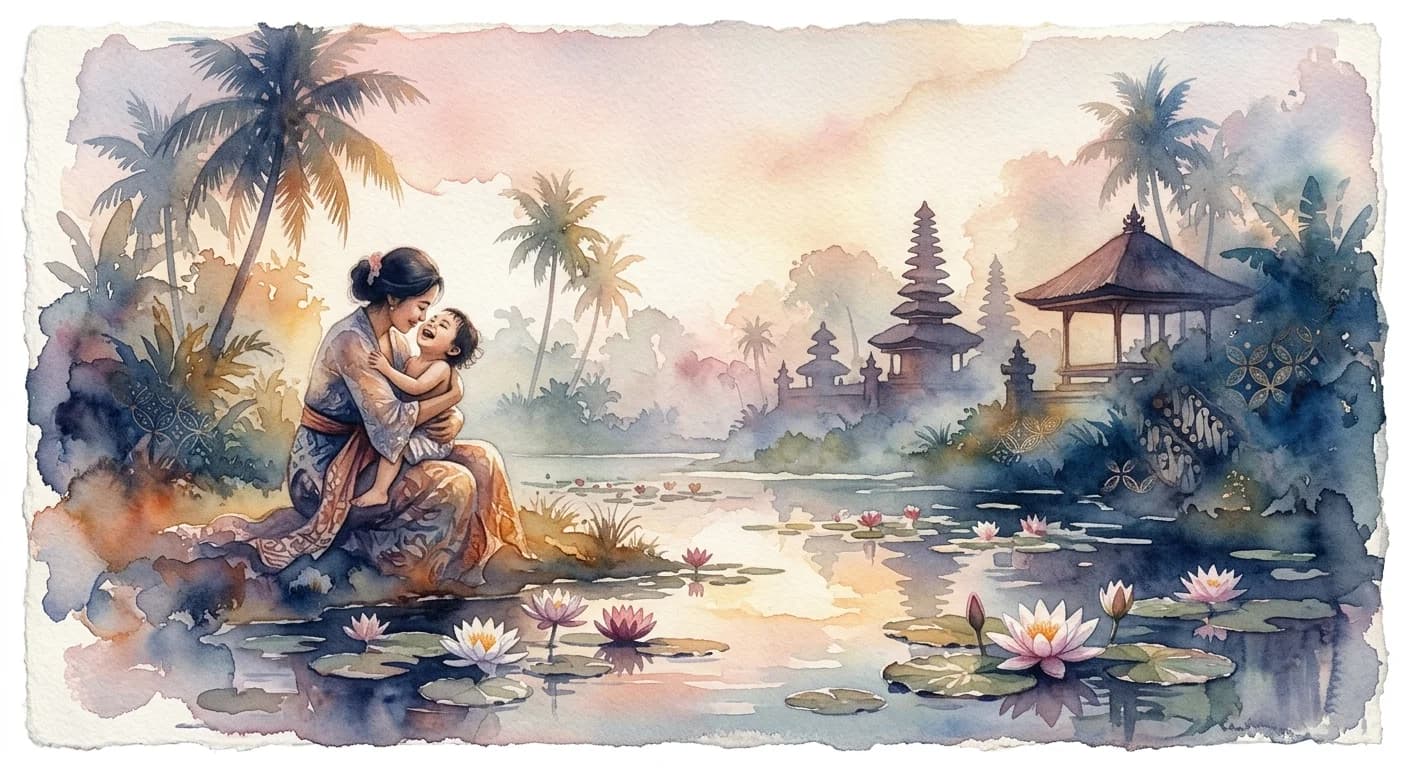
    Artistic representation of Cinta
    Indonesian•
    🇮🇩Indonesia🇲🇾Malaysia

    Cinta

    /CHIN-tah/

    Meaning

    Cinta embodies a profound and all-encompassing love, far exceeding mere romantic passion. It signifies a deep, heartfelt connection characterized by genuine care, unwavering devotion, and a fierce sense of responsibility towards the beloved, whether that be a spouse, child, friend, community, or even one's homeland. This powerful emotional bond is both passionate and enduring, permeating daily life and fostering a sense of belonging, mutual respect, and a willingness to sacrifice for the well-being of the object of one's cinta.

    Literal Translation

    Love

    The Story Behind the Word

    In Indonesian culture, cinta is intricately woven into the fabric of society, reflecting a collectivist worldview where relationships and community harmony are paramount. Its prominence stems from a blend of animist beliefs emphasizing interconnectedness, Hindu-Buddhist philosophies on compassion (karuna and metta), and Islamic teachings on love (mahabbah) and brotherhood. This rich tapestry of spiritual and philosophical influences has cultivated a societal expectation of deep empathy and mutual support. Cinta, therefore, isn't just an emotion but a guiding principle for social cohesion, emphasizing loyalty, sacrifice, and the enduring strength of bonds that transcend individual desire for the greater good of the collective. It reveals a world where personal identity is often defined by one's relationships and contributions to the community, making cinta a cornerstone of ethical living.

    Experience It

    Family's Enduring Cinta

    A mother works tirelessly, skipping meals to ensure her children have enough to eat and a good education. Her actions are a pure manifestation of cinta, an unconditional love that prioritizes her children's well-being above her own comfort and needs.

    Cinta for the Nation

    During a national disaster, citizens volunteer en masse, donating blood, food, and time to help strangers rebuild their lives. This collective spirit, driven by cinta tanah air (love for the homeland), exemplifies a deep devotion to their fellow citizens and country.

    The Deeper Meaning

    Cinta underscores a philosophy of interconnectedness and relational ontology, where an individual's existence and well-being are deeply intertwined with others. It suggests that true fulfillment comes not from isolated self-interest, but from nurturing and upholding the bonds that tie us to family, community, and the divine. This worldview champions empathy, collective responsibility, and the enduring power of devotion as fundamental to a meaningful life.

    Did You Know?

    The Indonesian national anthem, 'Indonesia Raya,' contains the line 'Tanah Tumpah Darahku' (My Homeland Where My Blood Has Been Poured), reflecting a profound, almost visceral cinta for the nation.

    How It's Used

    Used to express love in various forms, from romantic love to familial affection and deep platonic bonds.

    Emotions
    belonging,gratitude,love,warmth
    Contexts
    family,friendship,romance
    🇮🇩Indonesia🇲🇾Malaysia

    by Dr. Kenji Tanaka·Written Mar 14, 2026·Updated Apr 3, 2026

    Related Words

    Explore more
    GezelligDutch

    Gezellig encapsulates a profound sense of warmth, belonging, and convivial comfort, extending beyond mere coziness to embrace the social and emotional atmosphere. It's the feeling of being truly at ease, surrounded by good company, laughter, and a shared sense of contentment. This untranslatable term describes not just a physical space, but a holistic experience where time seems to slow down, fostering genuine connection and a deep sense of well-being.

    SobremesaSpanish

    Sobremesa is the cherished, often extended period immediately following a meal, particularly lunch or dinner, where diners remain seated at the table to enjoy conversation, coffee, and digest not just the food, but the company itself. It’s a dedicated time for unhurried social bonding, storytelling, and shared laughter, transforming a simple meal into a profound communal experience. Far from just clearing the dishes, sobremesa is an integral part of Spanish social life, often lasting for hours.

    Wabi-sabiJapanese

    Wabi-sabi is the profound appreciation for the ephemeral, the imperfect, and the incomplete aspects of existence. It is about discovering beauty in the subtle textures of age, the unique character of flaws, and the gentle decay that marks the passage of time. This philosophy encourages a quiet acceptance of impermanence and a mindful connection to the natural world, finding elegance in simplicity and authenticity.

    IkigaiJapanese

    Ikigai is more than just a reason to get out of bed; it's a deeply personal and evolving sense of purpose that brings genuine fulfillment and joy to one's life. It represents the sweet spot where your passions, talents, needs of the world, and what you can be paid for beautifully converge. Discovering your ikigai often leads to a life lived with intentionality, resilience, and a profound connection to one's contributions. It's the intrinsic motivation that fuels a meaningful existence, regardless of external circumstances.