U.
HomeRegionsLanguagesEmotionsCollections
Find Your Word

“The limits of my language mean the limits of my world.”

— Ludwig Wittgenstein, Philosopher

Untranslatable

A curated collection of the world's most beautiful expressions—words that remind us language is humanity's greatest invention.

  • Home
  • Collections
  • Regions
  • Countries
  • Emotions
  • Tags
  • Contexts
  • Finder
  • Europe
  • Asia
  • Americas
  • Africa
  • Middle East
  • About
  • Contact
  • Privacy Policy
  • Terms of Service

2026 © Untranslatable. All rights reserved.

    /
    /
    1. Home
    2. /
    3. Africa
    4. /
    5. Achokora
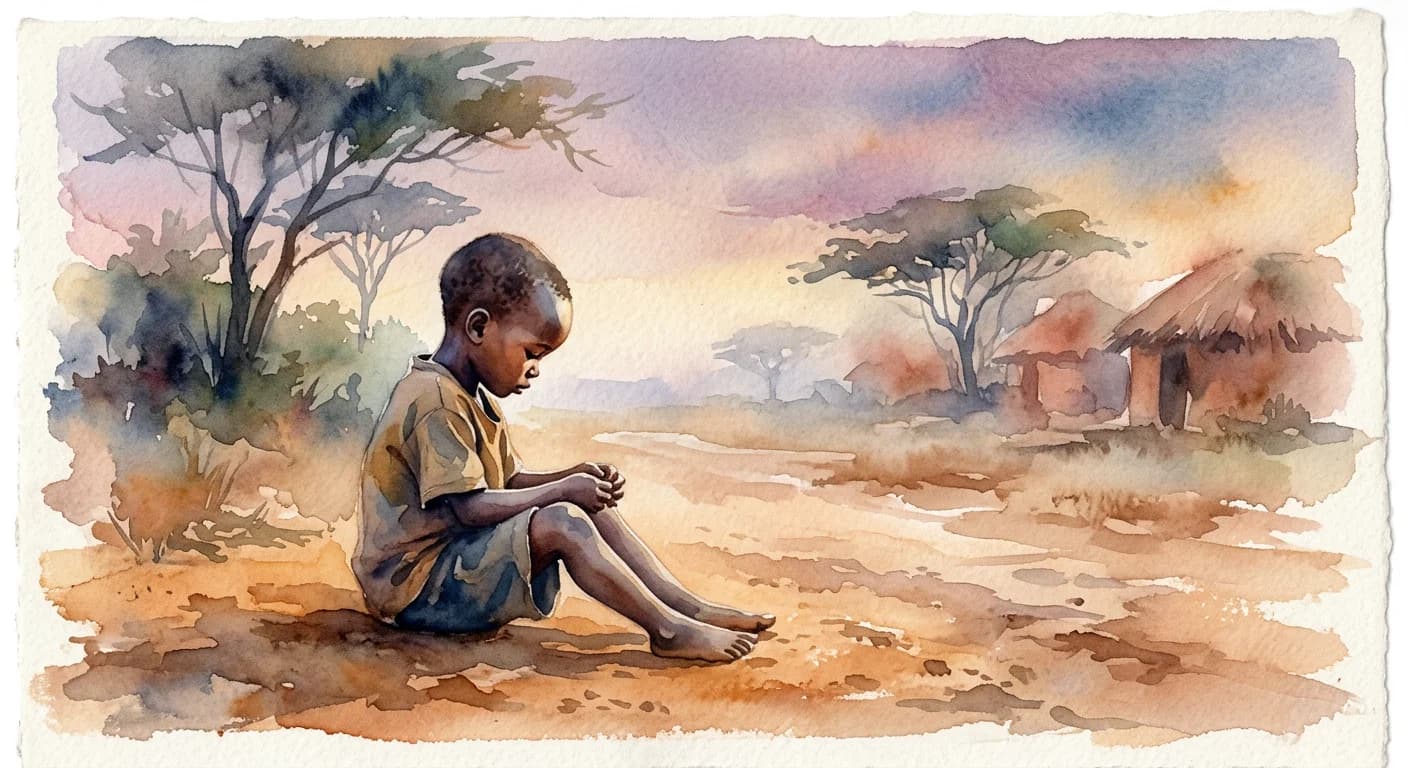
    Artistic representation of Achokora
    Swahili•
    🇰🇪Kenya🇹🇿Tanzania

    Achokora

    /ah-choh-KOH-rah/

    Meaning

    Achokora refers to a street child, but it carries a weight far beyond a simple description, evoking a profound sense of pity, sadness, and a deep awareness of societal failures. It speaks to the raw vulnerability of children forced to navigate the harsh realities of urban survival, often abandoned or orphaned. The term encapsulates not just the child's plight but also reflects the community's collective responsibility, often tinged with helplessness, in addressing such a pervasive and heartbreaking issue. It's a poignant descriptor of lost innocence and resilience forged in hardship.

    Literal Translation

    Street child

    The Story Behind the Word

    The existence of 'achokora' in Swahili lexicon is a stark indicator of the social and economic challenges prevalent in many Kenyan urban centers. It reflects a societal understanding that a child on the street is not merely a 'homeless person,' but a victim of systemic failures – poverty, family breakdown, lack of social safety nets, and rapid urbanization. The word carries an inherent moral and emotional charge, revealing a culture that, despite its struggles, is deeply attuned to the vulnerability of children and the communal responsibility for their welfare. It embodies a collective sigh of sorrow and a silent acknowledgment of a problem that often feels insurmountable, yet cannot be ignored. The term also highlights the resilience of these children, who, despite their hardships, find ways to survive, often forming their own sub-communities and support systems.

    Experience It

    A Mother's Plea

    Mama Zawadi watched a small figure rummaging through the market bins, his clothes torn and face smudged. 'Mungu wangu,' she whispered, 'another achokora. What hope does he have?' Her heart ached with a familiar blend of sympathy and despair for the child's uncertain future.

    Community Meeting Debate

    During the community meeting, the elder stood, his voice heavy. 'We cannot ignore the growing number of achokora in our town. They are our children, abandoned by circumstances. We must find a way to help.' The silence that followed was thick with agreement and the weight of the challenge.

    The Deeper Meaning

    The word 'achokora' reveals a profound philosophical understanding of collective responsibility and the social contract. It underscores the belief that a child's suffering is a communal burden, not just an individual's fate. It challenges the notion of individualistic survival, implicitly asking society to confront its role in creating and perpetuating such conditions, thereby highlighting a deeply humanistic and communal worldview that struggles with systemic injustice.

    Did You Know?

    Did you know that while 'achokora' is often associated with boys, it applies equally to girls, highlighting the universal vulnerability of children facing life on the streets in Kenya.

    How It's Used

    Used to describe street children, often with a tone of sympathy and concern.

    Emotions
    anxiety,compassion,melancholy,sadness
    Contexts
    childhood,daily life
    🇰🇪Kenya🇹🇿Tanzania

    by Kwame Nkrumah·Written Mar 14, 2026·Updated Apr 3, 2026

    Related Words

    Explore more
    SaudadePortuguese

    Saudade encapsulates a profound, melancholic longing for something or someone cherished that is absent, often with the bittersweet knowledge that it may never return. It's a deep emotional state tinged with nostalgia, evoking a sense of loss for past experiences, places, or people, yet also holding a tender appreciation for the beauty of what once was. This yearning is not merely sadness, but a complex tapestry of desire, memory, and a poignant acceptance of absence, holding the beloved in a warm, persistent embrace within the heart.

    UbuntuZulu/Xhosa

    Ubuntu is a profound African philosophy that translates to 'I am because we are,' signifying that an individual's humanity is inextricably linked to the humanity of others. It embodies the belief that our existence and well-being are deeply intertwined with the community. This concept emphasizes compassion, reciprocity, dignity, and the understanding that true fulfillment is found not in isolation, but through collective flourishing and mutual support. It's a call to recognize and affirm the humanity in everyone, fostering a sense of interconnectedness.

    JantelovenDanish

    Janteloven, or the Law of Jante, is a pervasive, unspoken social code deeply ingrained in Nordic culture. It dictates that no individual should believe themselves superior, more talented, or more deserving than others, fostering an ethos of collective equality and modesty. This powerful cultural norm discourages overt displays of success or ambition, subtly reinforcing a community-first mindset where blending in is often preferred over standing out. It's a constant, gentle pressure to remain humble, ensuring everyone feels equally valued within the social fabric.

    FlygskamSwedish

    Flygskam, or 'flight shame,' vividly captures the profound guilt and ethical discomfort experienced when one chooses to fly, acutely aware of its substantial environmental footprint. It's an internal struggle, a gnawing unease that prompts individuals to critically re-evaluate their travel habits and actively seek out more ecologically sound alternatives like trains or buses. This powerful Swedish concept embodies a personal reckoning with climate change, transforming an abstract global issue into a deeply felt, individual moral dilemma.