U.
HomeRegionsLanguagesEmotionsCollections
Find Your Word

“The limits of my language mean the limits of my world.”

— Ludwig Wittgenstein, Philosopher

Untranslatable

A curated collection of the world's most beautiful expressions—words that remind us language is humanity's greatest invention.

  • Home
  • Collections
  • Regions
  • Countries
  • Emotions
  • Tags
  • Contexts
  • Finder
  • Europe
  • Asia
  • Americas
  • Africa
  • Middle East
  • About
  • Contact
  • Privacy Policy
  • Terms of Service

2026 © Untranslatable. All rights reserved.

    /
    /
    1. Home
    2. /
    3. Asia
    4. /
    5. Anata
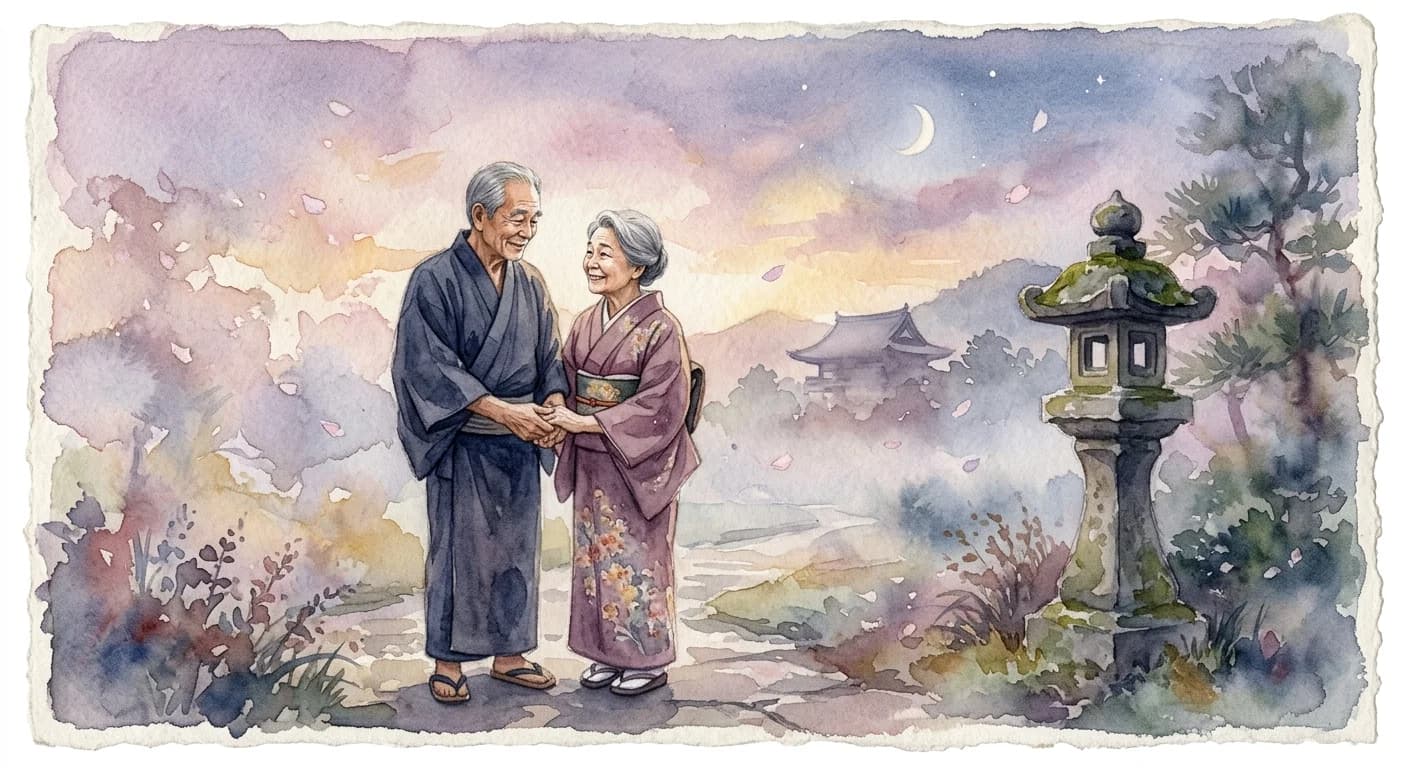
    Artistic representation of Anata
    Japanese•
    🇯🇵Japan

    Anata

    /ah-NAH-tah/

    Meaning

    While literally translating to 'you' in Japanese, 'anata' transcends a simple pronoun; it's a linguistic key unlocking varying degrees of intimacy and respect. It signals a deep, established connection, most commonly heard between spouses as a term of endearment or in specific formal contexts to show deference. Using it indiscriminately can inadvertently convey condescension or an uncomfortable level of familiarity, underscoring its profound role in navigating Japan's intricate social landscape.

    Literal Translation

    you

    The Story Behind the Word

    The nuanced usage of 'anata' is deeply rooted in Japan's hierarchical society and its emphasis on indirect communication (haragei) and maintaining harmony (wa). The avoidance of direct address, especially with superiors or those of equal but non-intimate status, is a cornerstone of Japanese politeness. Using names with honorifics (e.g., -san, -sama) or titles is preferred, as it clearly defines the relationship. 'Anata' emerges in contexts where the social distance is either completely collapsed (between married partners) or strategically manipulated to create a sense of direct, albeit formal, address when a name is unknown or deliberately omitted to convey a specific tone. Its scarcity in everyday speech highlights a cultural preference for indirectness and the careful management of interpersonal boundaries.

    Experience It

    Between Loving Spouses

    A husband arrives home from work. His wife greets him warmly, 'Okaeri, anata.' (Welcome home, dear.) This casual, affectionate use reinforces their deep marital bond and comfort with each other.

    Formal Public Inquiry

    A journalist, addressing an unknown individual at a press conference, might begin, 'Anata ni oukagai shitai no desu ga...' (I would like to ask you...). Here, 'anata' is used to politely address someone whose name is unknown, maintaining a respectful distance.

    The Deeper Meaning

    The careful deployment of 'anata' reflects a worldview where language is not merely descriptive but performative, actively shaping and reflecting social relationships. It underscores the Japanese philosophical emphasis on 'uchi-soto' (inside-outside) dynamics, where the choice of address explicitly signals one's perceived relationship to the speaker and their position within a complex social matrix, prioritizing harmony and respect over directness.

    Did You Know?

    In older Japanese media, 'anata' was sometimes used by women to refer to their husbands, signifying a traditional and respectful wifely address, though this usage is less common today.

    How It's Used

    Used as a pronoun for 'you', but its usage is highly context-dependent and often avoided in favor of names or titles to maintain politeness and social hierarchy. It's most commonly heard between married couples or in very specific formal settings.

    Emotions
    belonging,love
    Contexts
    family,romance
    🇯🇵Japan

    by Dr. Kenji Tanaka·Written Mar 14, 2026·Updated Apr 3, 2026

    Related Words

    Explore more
    SobremesaSpanish

    Sobremesa is the cherished, often extended period immediately following a meal, particularly lunch or dinner, where diners remain seated at the table to enjoy conversation, coffee, and digest not just the food, but the company itself. It’s a dedicated time for unhurried social bonding, storytelling, and shared laughter, transforming a simple meal into a profound communal experience. Far from just clearing the dishes, sobremesa is an integral part of Spanish social life, often lasting for hours.

    Wabi-sabiJapanese

    Wabi-sabi is the profound appreciation for the ephemeral, the imperfect, and the incomplete aspects of existence. It is about discovering beauty in the subtle textures of age, the unique character of flaws, and the gentle decay that marks the passage of time. This philosophy encourages a quiet acceptance of impermanence and a mindful connection to the natural world, finding elegance in simplicity and authenticity.

    IkigaiJapanese

    Ikigai is more than just a reason to get out of bed; it's a deeply personal and evolving sense of purpose that brings genuine fulfillment and joy to one's life. It represents the sweet spot where your passions, talents, needs of the world, and what you can be paid for beautifully converge. Discovering your ikigai often leads to a life lived with intentionality, resilience, and a profound connection to one's contributions. It's the intrinsic motivation that fuels a meaningful existence, regardless of external circumstances.

    NunchiKorean

    Nunchi is the sophisticated, almost telepathic, ability to instantly grasp the unspoken dynamics of any social situation, anticipating others' thoughts and feelings, and then responding with impeccable grace and timing. It's an acute form of social intuition, allowing one to navigate complex interpersonal landscapes by reading subtle cues like body language, tone, and context. Possessing good nunchi means effortlessly understanding the underlying emotional currents and adjusting one's behavior to maintain harmony and effectiveness, often without a single word exchanged.