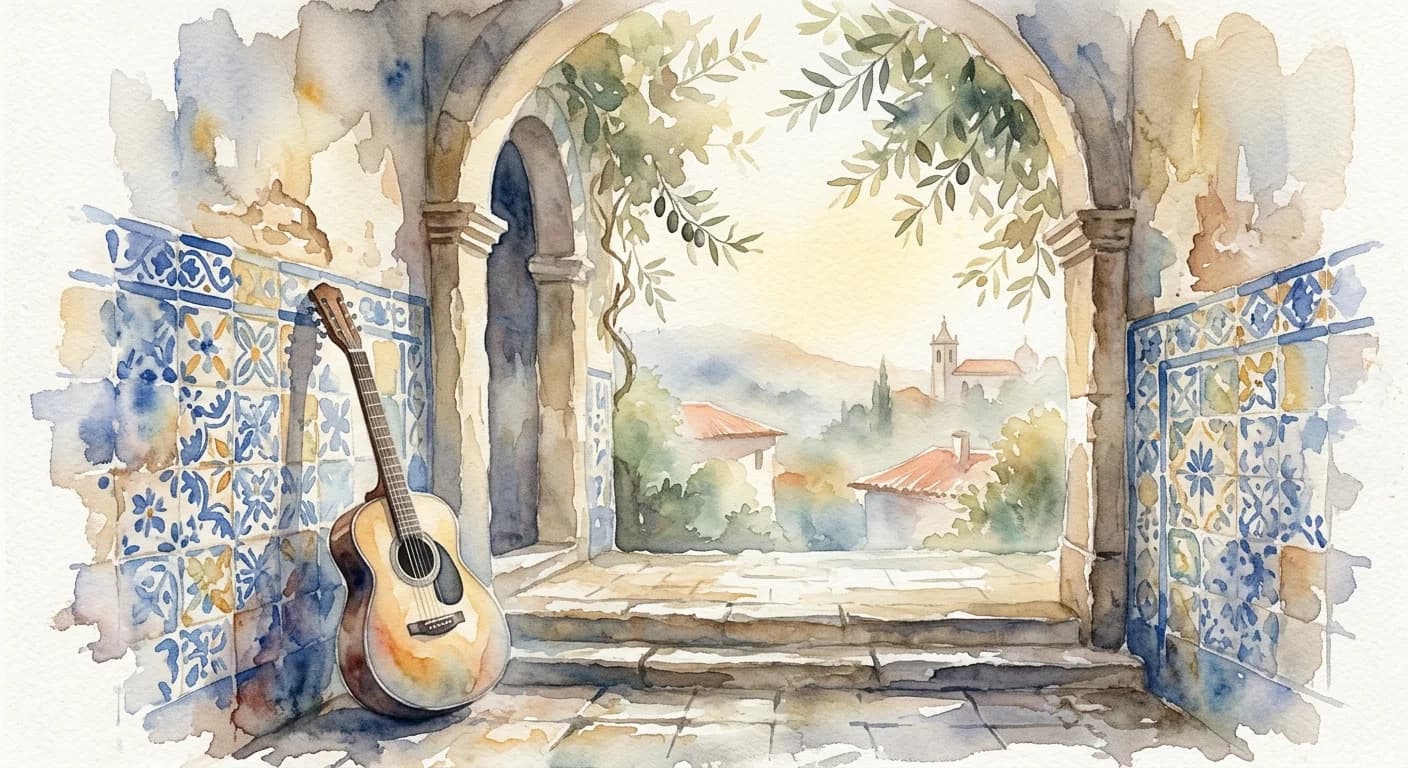
Azulejo
/ah-zoo-leh-zho/
Meaning
An azulejo is more than a mere tile; it is a vibrant, hand-painted ceramic canvas, typically tin-glazed, that forms the very skin of Portuguese and Spanish architecture. These intricate panels, often echoing Moorish geometry and natural motifs, transform ordinary surfaces into breathtaking narratives of history, faith, and daily life. From the grand facades of Lisbon's churches to the humble interiors of traditional homes, azulejos are a living testament to an enduring artistic legacy, infusing the urban landscape with unparalleled color and storytelling.
Literal Translation
tile (from Arabic al-zulayj)
The Story Behind the Word
The azulejo is deeply ingrained in the Portuguese identity, a tangible link to centuries of cultural exchange and artistic innovation. Its existence stems from the Iberian Peninsula's unique history, where Islamic artistry, particularly from the Moors, fused with European Renaissance and Baroque styles. This blend created a distinct visual language that not only served decorative and hygienic purposes but also became a medium for historical record, religious devotion, and national pride. The ubiquity of azulejos reveals a cultural appreciation for beauty in everyday life, a desire to adorn and elevate common spaces, and a deep connection to a past that continuously shapes the present. They represent a tradition of craftsmanship, resilience, and the belief that art should be accessible and integrated into the very fabric of society, telling stories across generations without uttering a single word.
Experience It
Lisbon's Storytelling Walls
A tourist wanders through Alfama, her eyes tracing the blue and white patterns of a building's azulejo facade. Each tile seems to whisper tales of caravels, saints, and everyday life, connecting her directly to Lisbon's layered past through this intricate ceramic artwork.
Church Interior's Grandeur
Inside a small parish church, an elderly woman kneels, her gaze drifting over the azulejos depicting biblical scenes that line the walls. The cool, reflective surfaces and vivid imagery provide a contemplative backdrop to her prayers, enhancing the sacred atmosphere.
The Deeper Meaning
The azulejo embodies a philosophy of permanence and public beauty. By adorning buildings with durable, artistic tiles, Portuguese culture demonstrates a commitment to enriching communal spaces and creating a lasting aesthetic legacy. It reflects a worldview where art is not confined to galleries but is an integral, accessible part of the urban experience, inviting contemplation and engagement from everyone who walks by, weaving history and artistry into the very fabric of daily existence.
Did You Know?
Portugal's National Azulejo Museum in Lisbon is housed in the former Convent of Madre de Deus, itself a stunning example of azulejo art, showcasing pieces from the 15th century to the present day.
How It's Used
Used to refer to the decorative ceramic tiles themselves, and the artistic tradition associated with them. They are found on buildings, churches, palaces, and even in public spaces.