U.
HomeRegionsLanguagesEmotionsCollections
Find Your Word

“The limits of my language mean the limits of my world.”

— Ludwig Wittgenstein, Philosopher

Untranslatable

A curated collection of the world's most beautiful expressions—words that remind us language is humanity's greatest invention.

  • Home
  • Collections
  • Regions
  • Countries
  • Emotions
  • Tags
  • Contexts
  • Finder
  • Europe
  • Asia
  • Americas
  • Africa
  • Middle East
  • About
  • Contact
  • Privacy Policy
  • Terms of Service

2026 © Untranslatable. All rights reserved.

    /
    /
    1. Home
    2. /
    3. Europe
    4. /
    5. Friolero
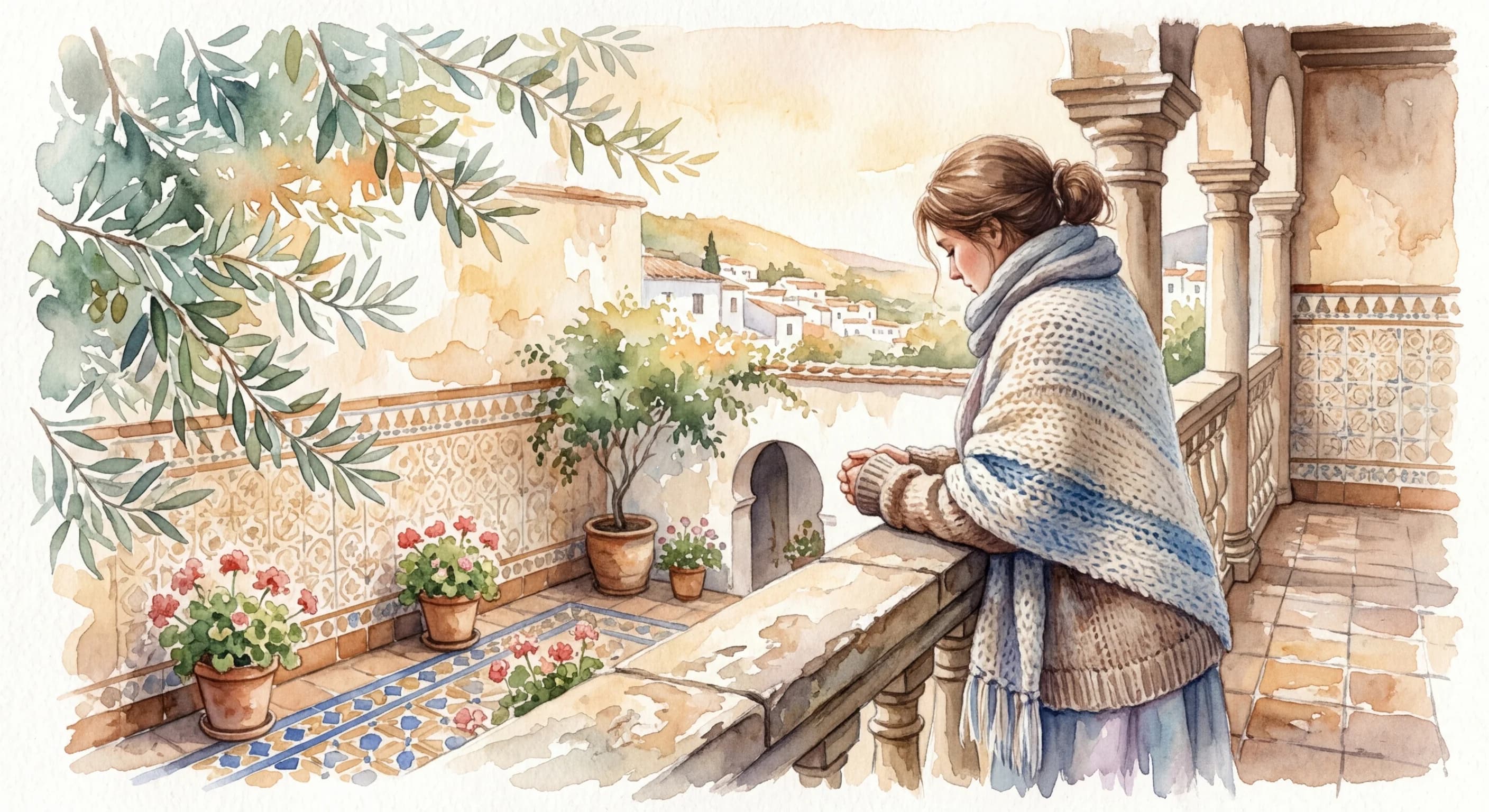
    Artistic representation of Friolero
    Spanish•
    🇦🇷Argentina🇧🇴Bolivia🇨🇱Chile🇨🇴Colombia🇨🇷Costa Rica🇨🇺Cuba🇩🇴Dominican Republic🇪🇨Ecuador🇸🇻El Salvador🇬🇹Guatemala🇭🇳Honduras🇲🇽Mexico🇳🇮Nicaragua🇵🇦Panama🇵🇾Paraguay🇵🇪Peru🇵🇷Puerto Rico🇪🇸Spain🇺🇾Uruguay🇻🇪Venezuela

    Friolero

    /free-oh-LEH-roh/

    Meaning

    A 'friolero' is someone whose internal thermostat seems perpetually set a few degrees lower than everyone else's, experiencing a profound and often disproportionate sensitivity to cold. This isn't merely a preference for warmth, but a genuine physiological susceptibility, leading them to bundle up in layers even when others are comfortably clad. The term affectionately acknowledges this delicate disposition, often with a touch of playful teasing, highlighting a personal trait that significantly shapes their comfort and choices in varying climates.

    Literal Translation

    One who is cold

    The Story Behind the Word

    The existence of 'friolero' in Spanish culture speaks to a society that highly values communal comfort and shared experiences, yet also recognizes and accommodates individual differences. Spain, particularly its northern regions, experiences significant cold, making the distinction between those who brave it easily and those who suffer acutely a common social observation. The word allows for a gentle categorization without judgment, fostering empathy and often prompting others to ensure the 'friolero' is adequately warm. It reflects a cultural nuance where personal well-being, even related to temperature, is often a collective concern, contrasting with cultures that might view such sensitivity as a personal failing or simply a matter of individual preference without a dedicated descriptor.

    Experience It

    Winter Evening Stroll

    María glances at her husband, already wrapped in a scarf and a thick coat, despite it being a mild autumn evening. "Eres tan friolero, cariño," she chuckles, handing him an extra pair of gloves before they step out for their walk.

    Office Air Conditioning

    The office air conditioning blasts, and while others are fine, Javier is visibly shivering, pulling his cardigan tighter. "¿Otra vez con el aire a tope? ¡Qué friolero soy!" he sighs, reaching for his emergency blanket from his desk drawer.

    The Deeper Meaning

    The word 'friolero' subtly highlights the subjective nature of physical experience and comfort. It underscores that what is 'normal' or 'comfortable' is not universal, challenging the idea of an objective environmental standard. It also reflects a cultural acceptance of individual variations in physiological responses, fostering understanding and accommodation rather than expecting everyone to conform to a single standard of thermal tolerance.

    Did You Know?

    While 'friolero' describes a person, 'friolera' can also refer to a trifling or insignificant amount, though this usage is less common today.

    How It's Used

    Used to describe a person who gets cold easily.

    Emotions
    comfort,warmth
    Contexts
    seasons,weather
    🇦🇷Argentina🇧🇴Bolivia🇨🇱Chile🇨🇴Colombia🇨🇷Costa Rica🇨🇺Cuba🇩🇴Dominican Republic🇪🇨Ecuador🇸🇻El Salvador🇬🇹Guatemala🇭🇳Honduras🇲🇽Mexico🇳🇮Nicaragua🇵🇦Panama🇵🇾Paraguay🇵🇪Peru🇵🇷Puerto Rico🇪🇸Spain🇺🇾Uruguay🇻🇪Venezuela

    by Kwame Nkrumah·Written Mar 10, 2026·Updated Apr 3, 2026

    Related Words

    Explore more
    HyggeDanish

    Hygge is more than mere coziness; it's a holistic embrace of comfort, warmth, and belonging that nourishes the soul. It describes the intentional creation of an intimate atmosphere where simple pleasures, genuine connection, and mindful presence converge, fostering a profound sense of contentment and well-being. It's about finding joy and peace in the small, everyday moments, often shared with loved ones.

    SaudadePortuguese

    Saudade encapsulates a profound, melancholic longing for something or someone cherished that is absent, often with the bittersweet knowledge that it may never return. It's a deep emotional state tinged with nostalgia, evoking a sense of loss for past experiences, places, or people, yet also holding a tender appreciation for the beauty of what once was. This yearning is not merely sadness, but a complex tapestry of desire, memory, and a poignant acceptance of absence, holding the beloved in a warm, persistent embrace within the heart.

    GezelligDutch

    Gezellig encapsulates a profound sense of warmth, belonging, and convivial comfort, extending beyond mere coziness to embrace the social and emotional atmosphere. It's the feeling of being truly at ease, surrounded by good company, laughter, and a shared sense of contentment. This untranslatable term describes not just a physical space, but a holistic experience where time seems to slow down, fostering genuine connection and a deep sense of well-being.

    Dolce far nienteItalian

    Dolce far niente captures the profound joy and effortless pleasure derived from simply existing without obligation or purpose. It's the art of savoring moments of pure, unadulterated idleness – lying in the sun, watching the clouds drift, or enjoying a leisurely coffee – not as a break from work, but as a valuable state in itself. This 'sweetness of doing nothing' is a conscious embrace of stillness and contentment, allowing the soul to breathe and the senses to fully engage with the present.