Pena ajena
/PEH-nah ah-HEH-nah/
Meaning
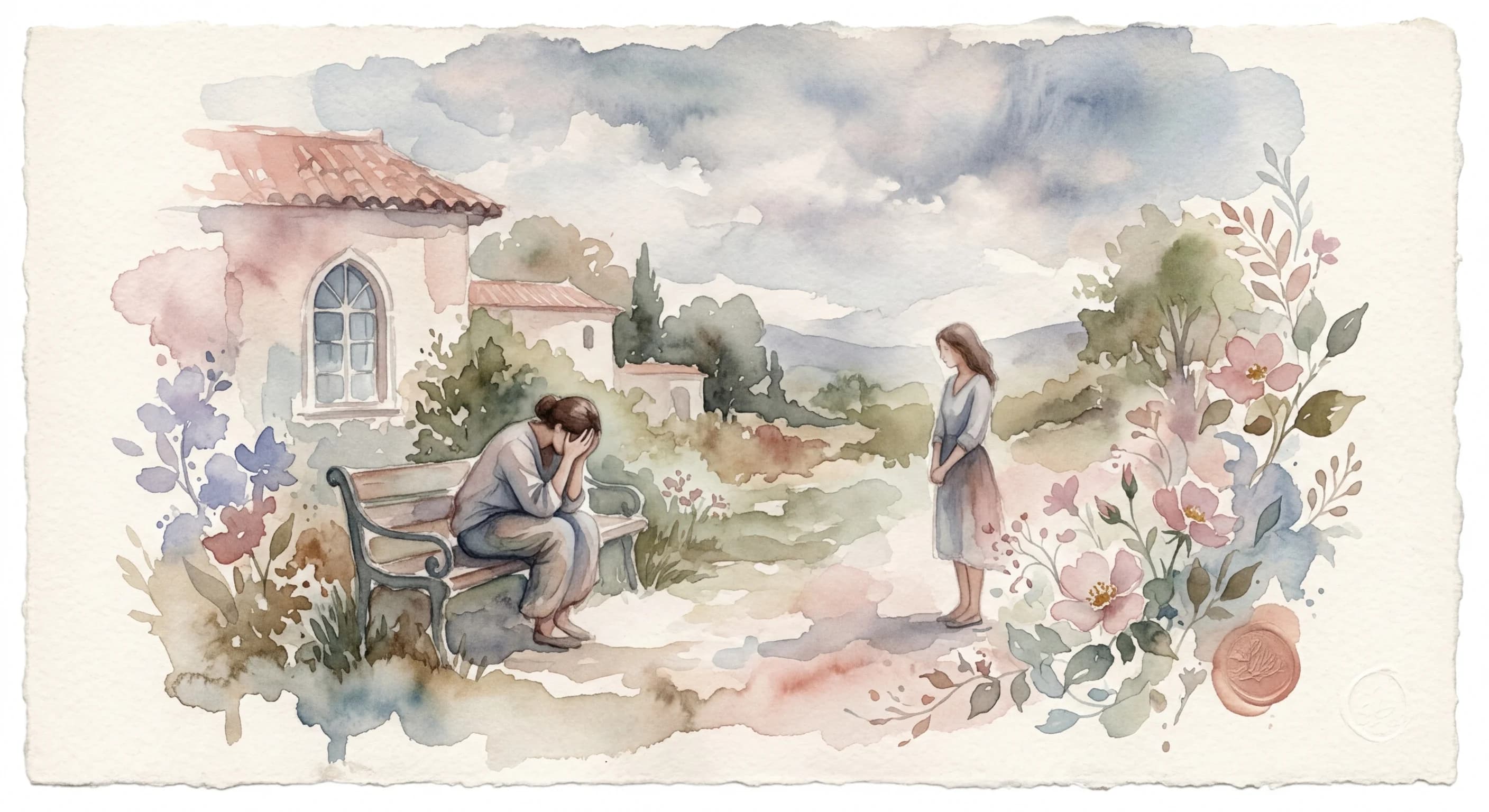
Pena ajena encapsulates the profound, almost visceral discomfort experienced when witnessing another person's social gaffe, awkwardness, or outright misstep. It's not mere observation, but a deep, empathetic cringe that makes you feel the shame as if it were your own, often accompanied by a desperate desire for the ground to swallow you both whole. This emotion highlights a strong social awareness and a shared understanding of decorum, where one's individual dignity is intricately linked to the collective. It's the uncomfortable solidarity of feeling mortified for someone who seems blissfully unaware of their own folly.
Literal Translation
Pain of another
The Story Behind the Word
The existence and common usage of "pena ajena" in Spanish culture, particularly in Spain, speaks volumes about the societal emphasis on collective harmony, public image, and a keen awareness of social norms. In many Spanish-speaking societies, there is a strong value placed on 'quedar bien' (making a good impression) and avoiding 'el ridículo' (making a fool of oneself). This phrase reflects a culture where individual actions are often seen through a communal lens; one person's social blunder can ripple through those present, creating a shared sense of unease. It underscores a deep-seated empathy and a collective responsibility for maintaining social grace, suggesting that an individual's awkwardness can inflict a form of 'pain' on others who witness it, highlighting interconnectedness over rugged individualism.
Experience It
The Unaware Performer
During a talent show, a contestant sang terribly off-key, completely oblivious to the audience's discomfort. The entire room felt a wave of "pena ajena," squirming in their seats and avoiding eye contact, wishing the performance would just end.
Boss's Inappropriate Joke
At the company Christmas party, the CEO told a joke that landed with an audible thud, followed by an awkward silence. Everyone present felt a strong sense of "pena ajena" for him, wishing they could disappear rather than endure the cringeworthy moment.
The Deeper Meaning
This phrase reveals a worldview deeply rooted in collective identity and social sensitivity. It suggests that human experience is profoundly interconnected, where one's emotional state can be directly impacted by another's social standing or lack thereof. It highlights a culture that values social cohesion and a shared understanding of appropriate conduct, implying that individual actions are rarely truly isolated but rather echo within the social fabric, causing discomfort even to bystanders.
Did You Know?
While often associated with embarrassment, "pena ajena" can also apply to witnessing someone's extreme clumsiness, evoking a similar empathetic wince.
How It's Used
Used to describe the feeling of embarrassment for someone else's actions or words, often when they are acting foolishly, inappropriately, or without self-awareness.