U.
HomeRegionsLanguagesEmotionsCollections
Find Your Word

“The limits of my language mean the limits of my world.”

— Ludwig Wittgenstein, Philosopher

Untranslatable

A curated collection of the world's most beautiful expressions—words that remind us language is humanity's greatest invention.

  • Home
  • Collections
  • Regions
  • Countries
  • Emotions
  • Tags
  • Contexts
  • Finder
  • Europe
  • Asia
  • Americas
  • Africa
  • Middle East
  • About
  • Contact
  • Privacy Policy
  • Terms of Service

2026 © Untranslatable. All rights reserved.

    /
    /
    1. Home
    2. /
    3. Europe
    4. /
    5. Dulzura
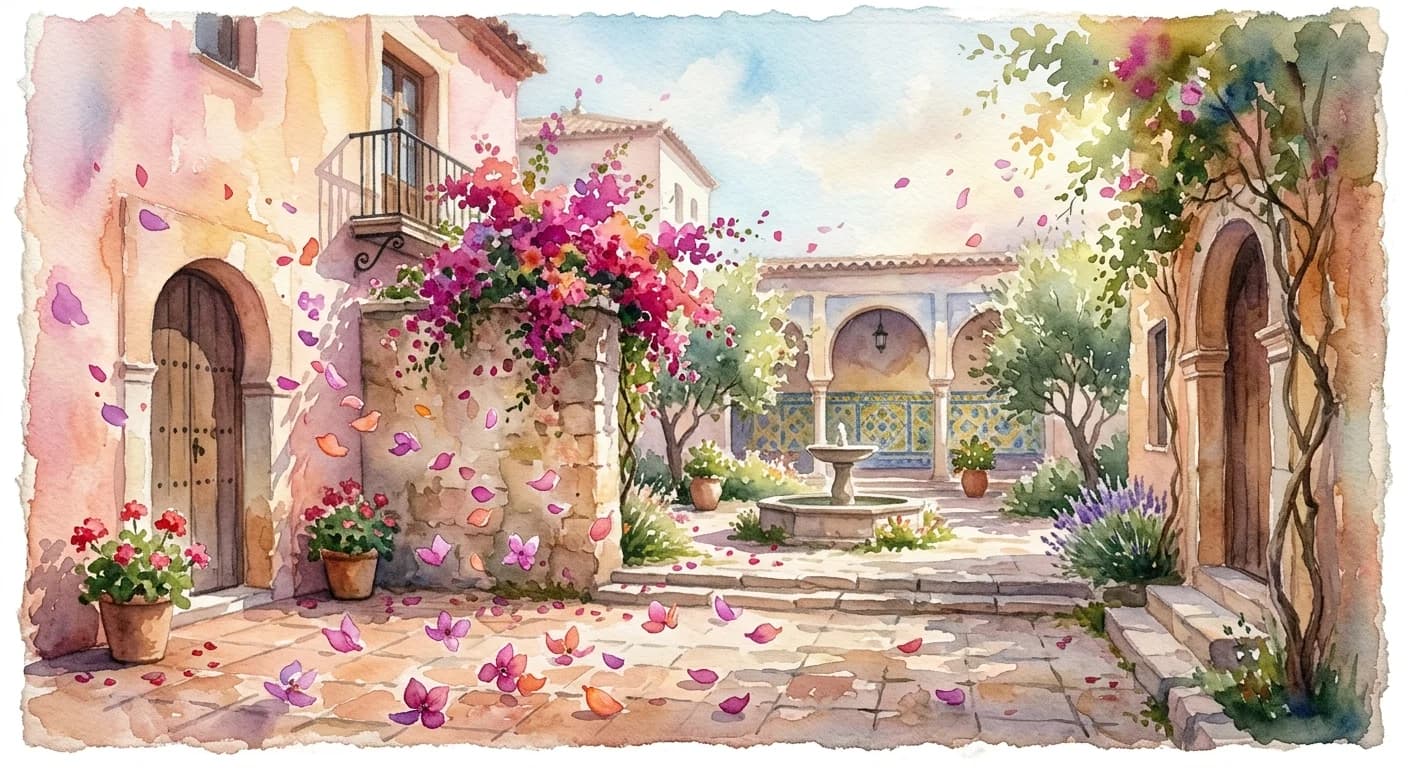
    Artistic representation of Dulzura
    Spanish•
    🇦🇷Argentina🇧🇴Bolivia🇨🇱Chile🇨🇴Colombia🇨🇷Costa Rica🇨🇺Cuba🇩🇴Dominican Republic🇪🇨Ecuador🇸🇻El Salvador🇬🇹Guatemala🇭🇳Honduras🇲🇽Mexico🇳🇮Nicaragua🇵🇦Panama🇵🇾Paraguay🇵🇪Peru🇵🇷Puerto Rico🇪🇸Spain🇺🇾Uruguay🇻🇪Venezuela

    Dulzura

    /DOOL-SOO-rah/

    Meaning

    Dulzura, born from the Spanish 'dulce' (sweet), transcends mere taste to embody a profound, tender sweetness that permeates life. It describes a gentle, affectionate quality found in people, gestures, or moments, evoking a quiet pleasure and emotional warmth. This word captures a cherished, subtle yet pervasive tenderness, often intertwined with kindness, love, and a deep appreciation for the soft, beautiful aspects of existence. It's the soothing balm for the soul, a gentle resonance of goodness.

    Literal Translation

    Sweetness

    The Story Behind the Word

    The prevalence of 'dulzura' in Spanish culture speaks to a deep-seated value for emotional expression, interpersonal warmth, and an appreciation for the subtle joys of life. Unlike cultures that might emphasize stoicism or overt displays of power, Spanish-speaking societies often prioritize connection, empathy, and a certain 'sabor' (flavor/essence) in human interactions. 'Dulzura' is not just about being nice; it's about embodying a gentle spirit that makes others feel safe, loved, and at peace. It reflects a worldview that finds richness in tenderness, valuing the quiet grace of a kind word or a soft touch, and seeing these as fundamental to a fulfilling life. This word exists because the culture actively cultivates and recognizes this delicate, yet powerful, human quality.

    Experience It

    Grandmother's Comforting Embrace

    After a long, challenging day, little Ana ran into her grandmother's arms. The gentle hug, the soft words, and the knowing look in her abuela's eyes were filled with such dulzura, melting away Ana's anxieties and filling her with a profound sense of peace.

    A Poet's Tender Verse

    Reading a collection of love poems by a renowned Spanish poet, María was struck by the sheer dulzura of his language. Each line flowed with such tenderness and delicate affection, painting vivid pictures of love's softest whispers and deepest devotion.

    The Deeper Meaning

    The concept of 'dulzura' reveals a philosophical inclination towards appreciating the softer, more nurturing aspects of human existence. It suggests that true richness in life isn't solely found in grand achievements or material wealth, but in the gentle kindness, tender affections, and emotional warmth that bind people together. It champions a worldview where compassion and heartfelt connection are paramount, forming the bedrock of a harmonious and emotionally resonant society.

    Did You Know?

    While 'dulce' specifically means 'sweet' for taste, 'dulzura' often refers to an emotional or sensory sweetness, highlighting its abstract and heartfelt nature.

    How It's Used

    Dulzura is used to describe a person's gentle nature, a loving gesture, a beautiful song, or any experience that brings a feeling of tender sweetness and warmth.

    Emotions
    comfort,contentment,joy,love,warmth
    Contexts
    family,friendship,greeting,romance
    🇦🇷Argentina🇧🇴Bolivia🇨🇱Chile🇨🇴Colombia🇨🇷Costa Rica🇨🇺Cuba🇩🇴Dominican Republic🇪🇨Ecuador🇸🇻El Salvador🇬🇹Guatemala🇭🇳Honduras🇲🇽Mexico🇳🇮Nicaragua🇵🇦Panama🇵🇾Paraguay🇵🇪Peru🇵🇷Puerto Rico🇪🇸Spain🇺🇾Uruguay🇻🇪Venezuela

    by Dr. Kenji Tanaka·Written Mar 14, 2026·Updated Apr 3, 2026

    Related Words

    Explore more
    HyggeDanish

    Hygge is more than mere coziness; it's a holistic embrace of comfort, warmth, and belonging that nourishes the soul. It describes the intentional creation of an intimate atmosphere where simple pleasures, genuine connection, and mindful presence converge, fostering a profound sense of contentment and well-being. It's about finding joy and peace in the small, everyday moments, often shared with loved ones.

    SaudadePortuguese

    Saudade encapsulates a profound, melancholic longing for something or someone cherished that is absent, often with the bittersweet knowledge that it may never return. It's a deep emotional state tinged with nostalgia, evoking a sense of loss for past experiences, places, or people, yet also holding a tender appreciation for the beauty of what once was. This yearning is not merely sadness, but a complex tapestry of desire, memory, and a poignant acceptance of absence, holding the beloved in a warm, persistent embrace within the heart.

    GezelligDutch

    Gezellig encapsulates a profound sense of warmth, belonging, and convivial comfort, extending beyond mere coziness to embrace the social and emotional atmosphere. It's the feeling of being truly at ease, surrounded by good company, laughter, and a shared sense of contentment. This untranslatable term describes not just a physical space, but a holistic experience where time seems to slow down, fostering genuine connection and a deep sense of well-being.

    Dolce far nienteItalian

    Dolce far niente captures the profound joy and effortless pleasure derived from simply existing without obligation or purpose. It's the art of savoring moments of pure, unadulterated idleness – lying in the sun, watching the clouds drift, or enjoying a leisurely coffee – not as a break from work, but as a valuable state in itself. This 'sweetness of doing nothing' is a conscious embrace of stillness and contentment, allowing the soul to breathe and the senses to fully engage with the present.