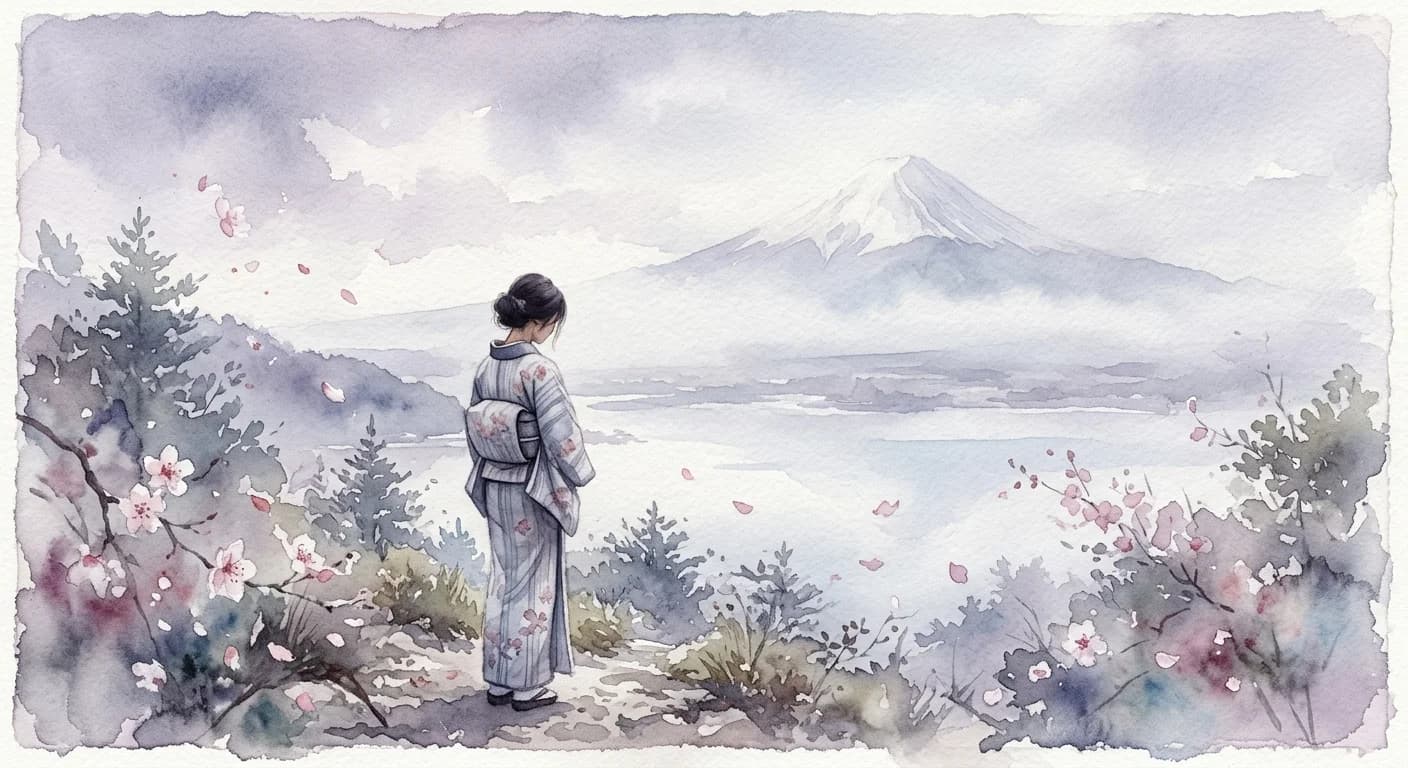
Istukushimi
/ee-STOO-koo-shee-mee/
Meaning
Istukushimi encapsulates a profound, often deeply personal sorrow or chronic resentment, born from a perceived injustice or betrayal by someone or something once held in high regard. It's not a fleeting anger, but a lingering, internal ache that subtly, yet persistently, colors one's perception and interactions. This emotional scar is particularly potent because it implies a cherished connection or expectation that was tragically subverted, rendering the disappointment all the more significant and difficult to release, akin to a wound that refuses to fully heal.
Literal Translation
While 'istukushimi' doesn't have a direct literal translation, it is derived from the Japanese verb 'itsukushimu' (慈しむ), which means to love, cherish, or be tender towards. The noun form, 'itsukushimi', can thus carry a sense of a cherished feeling or a deep affection, but in its untranslatable context, it refers to the painful absence or perversion of that affection.
The Story Behind the Word
The existence of 'istukushimi' in the Japanese lexicon reveals much about a culture that traditionally values harmony (wa) and deep relational bonds, while also acknowledging the profound pain that arises when these ideals are shattered. Its roots can be traced to a society where obligation (giri) and duty (on) played significant roles, making betrayal or perceived unfairness not just a personal slight, but a disruption of the social fabric. The word speaks to a stoic understanding of suffering, where such deep-seated emotions might be internalized rather than openly expressed, further solidifying their lingering presence. It highlights a cultural sensitivity to the nuances of human connection and the enduring impact of its rupture.
Experience It
Betrayed by a Mentor
After years of dedicated service to his sensei, Kenji discovered his mentor had secretly taken credit for his groundbreaking research. The initial shock gave way to a quiet, pervasive istukushimi, a deep-seated bitterness that tainted all his academic achievements and made him wary of all future collaborations.
Family Inheritance Dispute
Following her father's passing, Akiko learned her elder brother had manipulated the will, leaving her with nothing. While she never openly confronted him, an istukushimi settled within her, a cold resentment that prevented her from ever truly celebrating family gatherings again, the memory of injustice a constant shadow.
The Deeper Meaning
Istukushimi illuminates a worldview that deeply understands the fragility of trust and the lasting impact of its breach, particularly within a context of expected loyalty or affection. It suggests that deep emotional wounds, especially those stemming from perceived injustice, are not easily dismissed. This word underscores a cultural recognition of the enduring power of relational pain, often internalized, and how it shapes an individual's perception and interaction with the world long after the initial event.
Did You Know?
While 'itsukushimu' traditionally means to cherish, the negative connotation in 'istukushimi' highlights how the absence or perversion of cherished feelings can lead to profound emotional pain, a unique linguistic twist.
How It's Used
Used to describe a deep, often hidden, feeling of resentment or bitterness towards another person or entity, typically born from past hurts or perceived unfairness.