U.
HomeRegionsLanguagesEmotionsCollections
Find Your Word

“The limits of my language mean the limits of my world.”

— Ludwig Wittgenstein, Philosopher

Untranslatable

A curated collection of the world's most beautiful expressions—words that remind us language is humanity's greatest invention.

  • Home
  • Collections
  • Regions
  • Countries
  • Emotions
  • Tags
  • Contexts
  • Finder
  • Europe
  • Asia
  • Americas
  • Africa
  • Middle East
  • About
  • Contact
  • Privacy Policy
  • Terms of Service

2026 © Untranslatable. All rights reserved.

    /
    /
    1. Home
    2. /
    3. Europe
    4. /
    5. Schilderij
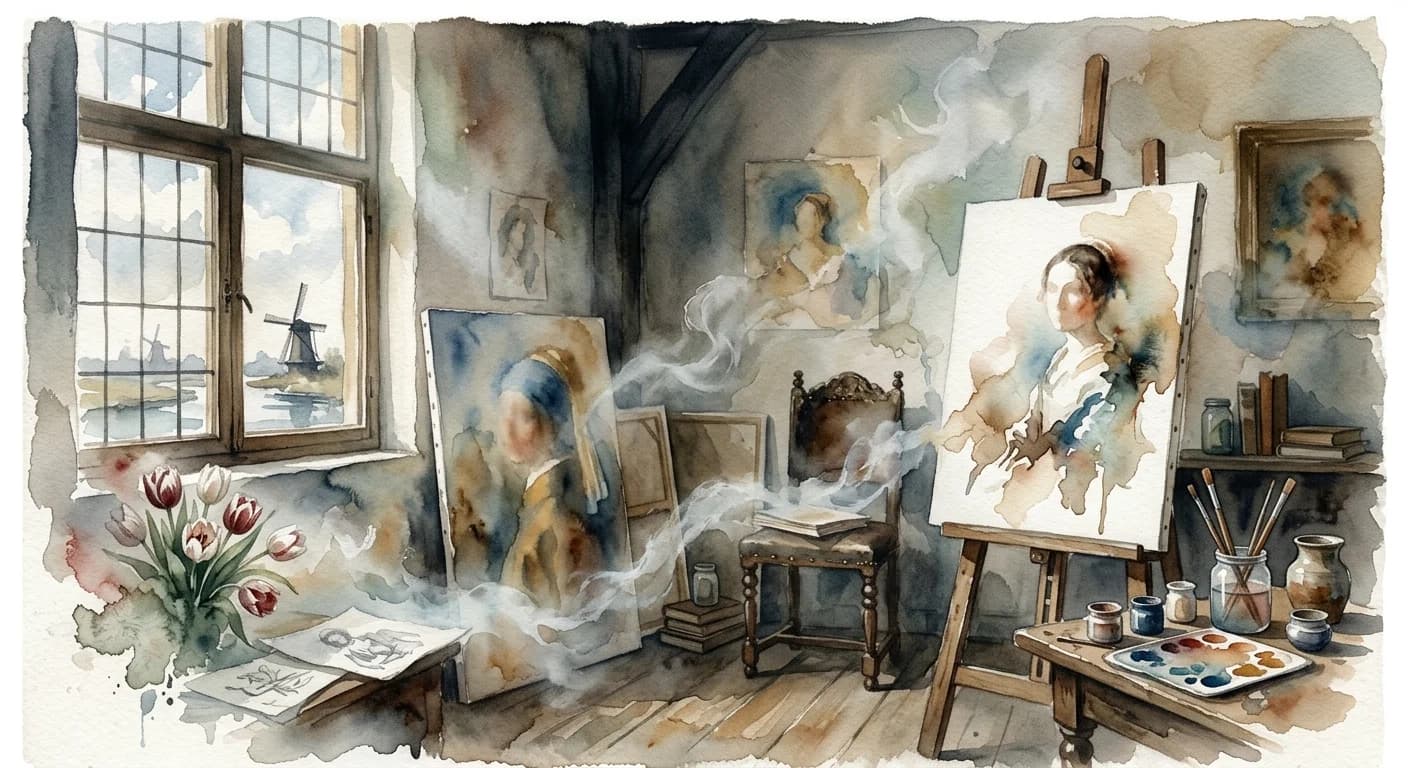
    Artistic representation of Schilderij
    Dutch•
    🇧🇪Belgium🇳🇱Netherlands

    Schilderij

    /SKHIL-duh-rye/

    Meaning

    A 'schilderij' is far more than just a painted object; it embodies the very act of creation, the 'schilderen' (painting) that brings it into being. It connects directly to the Dutch Masters' legacy, evoking a sense of enduring craftsmanship, meticulous detail, and a deep appreciation for visual storytelling. This word encapsulates the cultural value placed on art as a profound expression of human experience, inviting viewers to engage with the artist's vision and the history it reflects.

    Literal Translation

    Painting

    The Story Behind the Word

    The word 'schilderij' is deeply rooted in the Dutch Golden Age, a period where painting flourished as an accessible art form, not solely for the church or aristocracy, but for a burgeoning middle class. This era cemented art's place in daily life, with artists like Rembrandt and Vermeer elevating genre scenes, portraits, and landscapes to iconic status. The Dutch saw, and continue to see, painting as a reflection of their identity, their pragmatic yet aesthetically astute view of the world. It reveals a culture that values skill, observation, and the ability to capture reality and emotion with precision, turning everyday moments into timeless works of art.

    Experience It

    Museum Contemplation

    Standing before a Rembrandt in the Rijksmuseum, a visitor whispers, 'Wat een prachtig schilderij!' (What a beautiful painting!). They're not just admiring the canvas, but the centuries of history, the artist's genius, and the profound human emotion it conveys.

    Artist's Studio

    An art student gazes at their mentor's latest work, a vibrant landscape. 'Dit is een echt schilderij,' they muse, acknowledging the technical mastery and emotional depth that elevates it beyond a mere picture.

    The Deeper Meaning

    The concept of 'schilderij' reflects a Dutch philosophical leaning towards empiricism and a celebration of the tangible. It underscores a belief that beauty and meaning can be found and meticulously rendered in the everyday, fostering a culture that values careful observation and the enduring power of visual representation to capture truth and human experience.

    Did You Know?

    The diminutive 'schilderijtje' (small painting) is often used affectionately for cherished, smaller artworks, highlighting the intimate connection Dutch people have with their art.

    How It's Used

    Used to refer to any painting, from a masterpiece in a museum to a personal artwork.

    Emotions
    gratitude,serenity,wonder
    Contexts
    art,cultural identity
    🇧🇪Belgium🇳🇱Netherlands

    by Sofia Rossi·Written Mar 14, 2026·Updated Apr 3, 2026

    Related Words

    Explore more
    HyggeDanish

    Hygge is more than mere coziness; it's a holistic embrace of comfort, warmth, and belonging that nourishes the soul. It describes the intentional creation of an intimate atmosphere where simple pleasures, genuine connection, and mindful presence converge, fostering a profound sense of contentment and well-being. It's about finding joy and peace in the small, everyday moments, often shared with loved ones.

    SaudadePortuguese

    Saudade encapsulates a profound, melancholic longing for something or someone cherished that is absent, often with the bittersweet knowledge that it may never return. It's a deep emotional state tinged with nostalgia, evoking a sense of loss for past experiences, places, or people, yet also holding a tender appreciation for the beauty of what once was. This yearning is not merely sadness, but a complex tapestry of desire, memory, and a poignant acceptance of absence, holding the beloved in a warm, persistent embrace within the heart.

    GezelligDutch

    Gezellig encapsulates a profound sense of warmth, belonging, and convivial comfort, extending beyond mere coziness to embrace the social and emotional atmosphere. It's the feeling of being truly at ease, surrounded by good company, laughter, and a shared sense of contentment. This untranslatable term describes not just a physical space, but a holistic experience where time seems to slow down, fostering genuine connection and a deep sense of well-being.

    Dolce far nienteItalian

    Dolce far niente captures the profound joy and effortless pleasure derived from simply existing without obligation or purpose. It's the art of savoring moments of pure, unadulterated idleness – lying in the sun, watching the clouds drift, or enjoying a leisurely coffee – not as a break from work, but as a valuable state in itself. This 'sweetness of doing nothing' is a conscious embrace of stillness and contentment, allowing the soul to breathe and the senses to fully engage with the present.