U.
HomeRegionsLanguagesEmotionsCollections
Find Your Word

“The limits of my language mean the limits of my world.”

— Ludwig Wittgenstein, Philosopher

Untranslatable

A curated collection of the world's most beautiful expressions—words that remind us language is humanity's greatest invention.

  • Home
  • Collections
  • Regions
  • Countries
  • Emotions
  • Tags
  • Contexts
  • Finder
  • Europe
  • Asia
  • Americas
  • Africa
  • Middle East
  • About
  • Contact
  • Privacy Policy
  • Terms of Service

2026 © Untranslatable. All rights reserved.

    /
    /
    1. Home
    2. /
    3. Europe
    4. /
    5. Brumoso
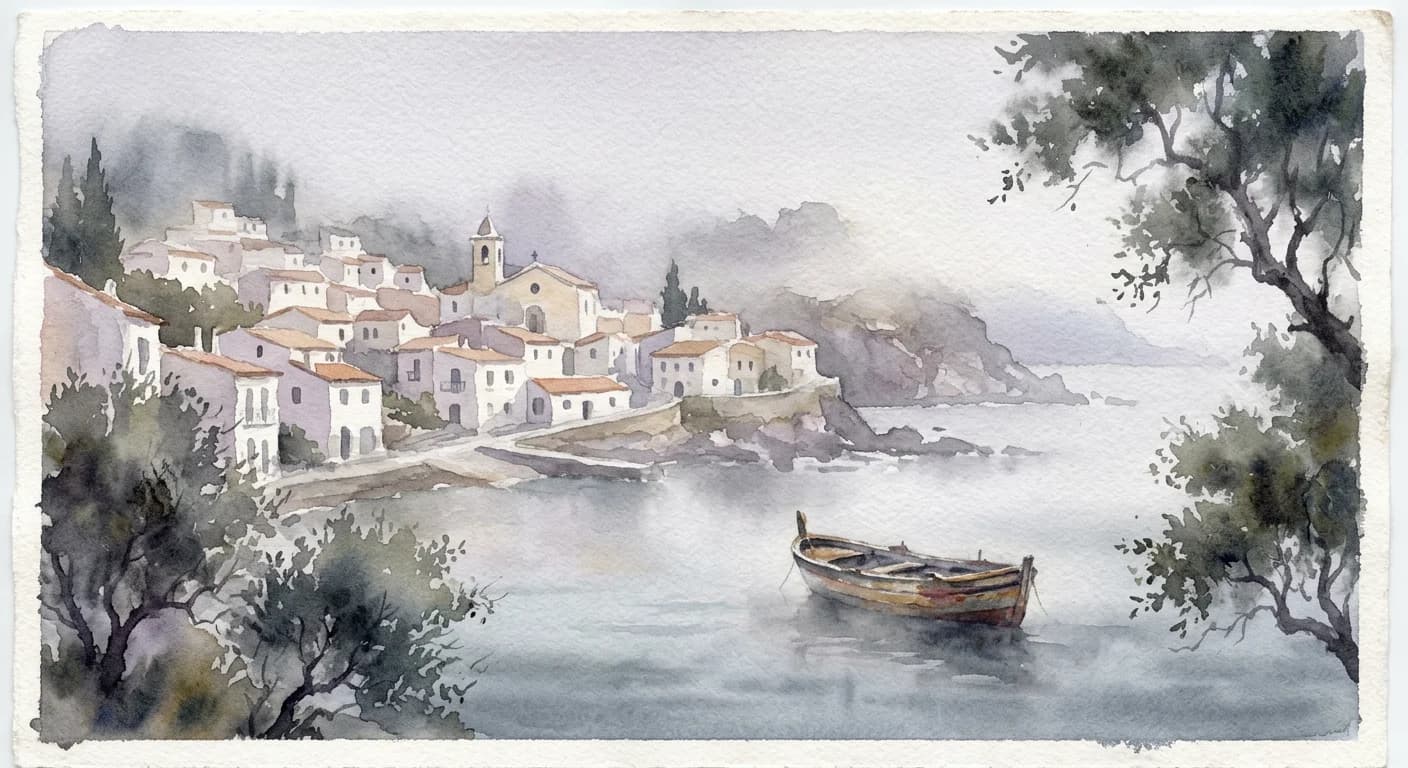
    Artistic representation of Brumoso
    Spanish•
    🇦🇷Argentina🇧🇴Bolivia🇨🇱Chile🇨🇴Colombia🇨🇷Costa Rica🇨🇺Cuba🇩🇴Dominican Republic🇪🇨Ecuador🇸🇻El Salvador🇬🇹Guatemala🇭🇳Honduras🇲🇽Mexico🇳🇮Nicaragua🇵🇦Panama🇵🇾Paraguay🇵🇪Peru🇵🇷Puerto Rico🇪🇸Spain🇺🇾Uruguay🇻🇪Venezuela

    Brumoso

    /broo-MOH-soh/

    Meaning

    Brumoso transcends a simple 'foggy' to describe a pervasive, almost sentient mist that envelops the landscape, making the air feel thick, damp, and heavy. It conjures an atmospheric density where visibility is not just reduced, but the world is softened, edges blurred as if seen through a dream. This term evokes a profound sense of moisture clinging to everything, transforming familiar surroundings into something mysterious, often melancholic, and deeply atmospheric, particularly in Spain's mountainous and coastal regions.

    Literal Translation

    misty, foggy

    The Story Behind the Word

    The prevalence of 'brumoso' in Spanish, particularly in regions like Galicia, Asturias, or the Canary Islands, reflects a profound connection to a landscape frequently veiled in mist. This isn't merely a meteorological observation but an integral part of the regional identity and folklore. The 'bruma' often inspires a sense of introspection, mystery, and even a touch of 'saudade' or 'morriña' – a deep, melancholic longing for something absent or past. It shapes the architecture, the local legends of hidden paths and mythical creatures emerging from the mist, and even the pace of life, where the 'bruma' can dictate visibility and travel. It suggests a culture that has learned to live with, and find beauty in, the atmospheric obscuring of the world, rather than seeing it purely as an impediment. It reveals a worldview that embraces the ephemeral and the less defined, finding poetry in the veiled.

    Experience It

    Mountain Road Unveiled

    As they ascended the winding mountain pass, the morning sun struggled to pierce the thick 'bruma.' The world outside the car windows was a soft, grey canvas, the pines appearing like ghostly sentinels, their forms only vaguely discernible through the damp, heavy air.

    Coastal Morning Mystique

    Waking in the small Galician fishing village, she peered out to sea. The usual vibrant blue was lost beneath a dense, 'brumoso' blanket, muting the sounds of the waves and cloaking the distant islands in an ethereal, almost mythical silence.

    The Deeper Meaning

    The concept of 'brumoso' subtly reveals a philosophical acceptance of ambiguity and the transient nature of perception. It suggests that truth or reality isn't always sharply defined but can be soft-edged, veiled, and open to interpretation. This embraces a worldview where mystery is not necessarily something to be dispelled, but rather something to be experienced and even cherished, allowing for a deeper, more imaginative engagement with the environment.

    Did You Know?

    In parts of Spain, particularly Galicia, the 'bruma' is often associated with ancient Celtic myths and legends, where the mist acts as a veil between worlds, allowing spirits or magical beings to pass unseen.

    How It's Used

    Used to describe weather conditions, particularly fog or mist that is dense and widespread, affecting visibility and creating a specific atmospheric mood.

    Emotions
    melancholy,serenity,wonder
    Contexts
    nature,seasons,weather
    🇦🇷Argentina🇧🇴Bolivia🇨🇱Chile🇨🇴Colombia🇨🇷Costa Rica🇨🇺Cuba🇩🇴Dominican Republic🇪🇨Ecuador🇸🇻El Salvador🇬🇹Guatemala🇭🇳Honduras🇲🇽Mexico🇳🇮Nicaragua🇵🇦Panama🇵🇾Paraguay🇵🇪Peru🇵🇷Puerto Rico🇪🇸Spain🇺🇾Uruguay🇻🇪Venezuela

    by Sofia Rossi·Written Mar 14, 2026·Updated Apr 3, 2026

    Related Words

    Explore more
    HyggeDanish

    Hygge is more than mere coziness; it's a holistic embrace of comfort, warmth, and belonging that nourishes the soul. It describes the intentional creation of an intimate atmosphere where simple pleasures, genuine connection, and mindful presence converge, fostering a profound sense of contentment and well-being. It's about finding joy and peace in the small, everyday moments, often shared with loved ones.

    SaudadePortuguese

    Saudade encapsulates a profound, melancholic longing for something or someone cherished that is absent, often with the bittersweet knowledge that it may never return. It's a deep emotional state tinged with nostalgia, evoking a sense of loss for past experiences, places, or people, yet also holding a tender appreciation for the beauty of what once was. This yearning is not merely sadness, but a complex tapestry of desire, memory, and a poignant acceptance of absence, holding the beloved in a warm, persistent embrace within the heart.

    GezelligDutch

    Gezellig encapsulates a profound sense of warmth, belonging, and convivial comfort, extending beyond mere coziness to embrace the social and emotional atmosphere. It's the feeling of being truly at ease, surrounded by good company, laughter, and a shared sense of contentment. This untranslatable term describes not just a physical space, but a holistic experience where time seems to slow down, fostering genuine connection and a deep sense of well-being.

    Dolce far nienteItalian

    Dolce far niente captures the profound joy and effortless pleasure derived from simply existing without obligation or purpose. It's the art of savoring moments of pure, unadulterated idleness – lying in the sun, watching the clouds drift, or enjoying a leisurely coffee – not as a break from work, but as a valuable state in itself. This 'sweetness of doing nothing' is a conscious embrace of stillness and contentment, allowing the soul to breathe and the senses to fully engage with the present.