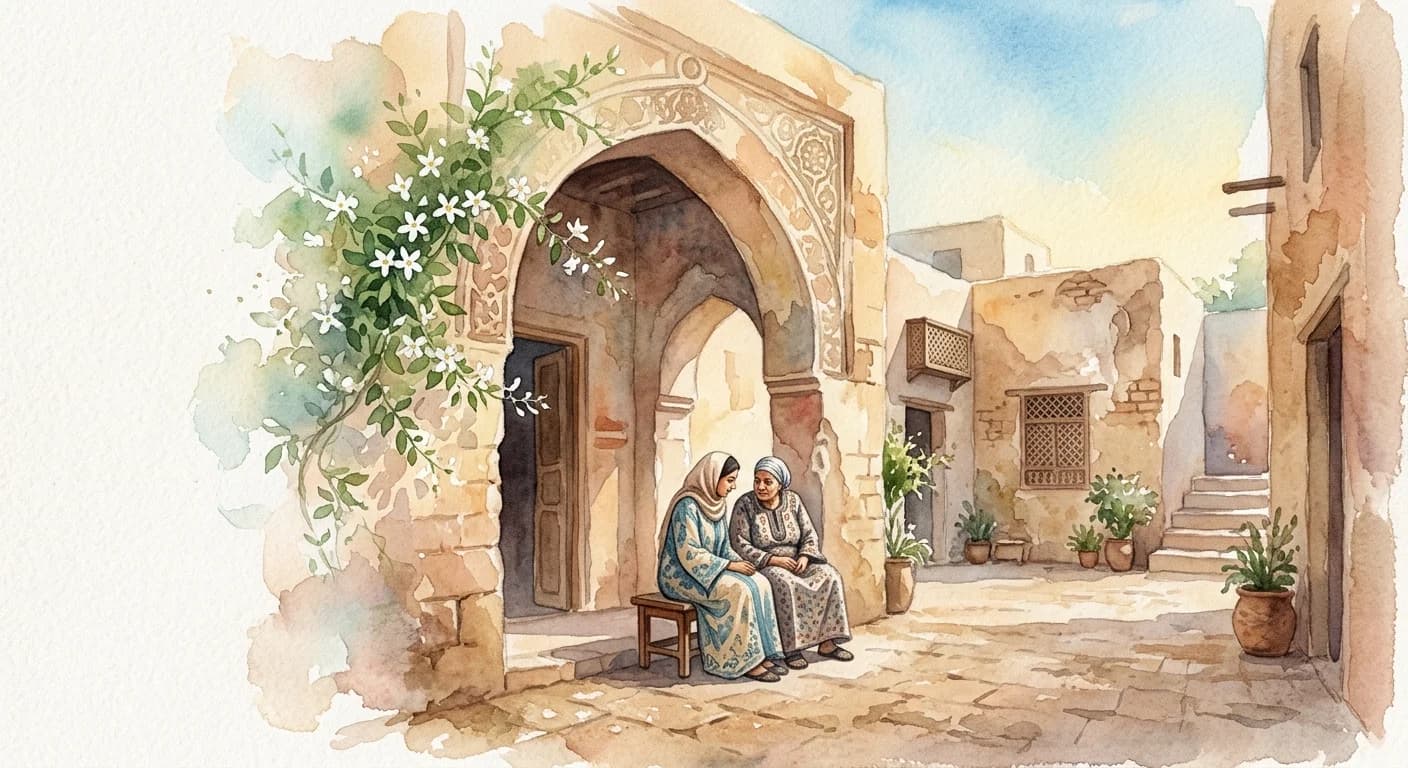
Habibi
/HAH-bee-bee/
Meaning
Habibi, an Arabic term translating literally to 'my love' or 'my beloved,' transcends mere romantic affection to embody a profound sense of warmth, kinship, and shared humanity. It's a verbal embrace, signaling deep care and familiarity among friends, family, and even new acquaintances, instantly forging a bond. More than a simple endearment, it serves as a cultural cornerstone emphasizing the open expression of positive emotions and the nurturing of strong, interconnected relationships, making direct English equivalents feel woefully inadequate.
Literal Translation
my love
The Story Behind the Word
The prevalence of 'Habibi' in Egyptian and broader Arab culture speaks volumes about the societal value placed on interpersonal relationships and community. In a culture where hospitality and familial ties are paramount, 'Habibi' acts as an emotional lubricant, softening interactions and fostering a sense of belonging. It reflects a collectivist worldview where individual identity is often intertwined with one's social network. The word's ubiquitous use, from haggling in a market to comforting a grieving friend, illustrates a cultural inclination towards expressing affection and solidarity openly, rather than reserving such terms for strictly intimate contexts. It underlines the idea that all human connections, even casual ones, hold potential for warmth and respect.
Experience It
Market Bartering
A tourist is trying to buy spices in a bustling Cairo souk. The vendor, with a warm smile, says, 'Welcome, habibi! What can I get for you?' It immediately creates a friendly, welcoming atmosphere, disarming the transactional nature of the interaction.
Comforting a Friend
Layla rushes to console her friend, Omar, who is feeling down after a difficult day. She puts a hand on his shoulder and says softly, 'Don't worry, habibi, everything will be alright.' This conveys deep empathy and reassurance beyond just the words themselves.
The Deeper Meaning
The pervasive use of 'Habibi' reveals a deeply humanistic philosophy, where connection and affection are not luxuries but fundamental aspects of daily life. It suggests a worldview that prioritizes emotional resonance and communal harmony, fostering an environment where individuals feel seen, valued, and connected. The word encapsulates the belief that every interaction, no matter how brief, can be imbued with kindness and a sense of shared humanity.
Did You Know?
Did you know that 'Habibi' is so widely recognized that it's often used by non-Arabic speakers to evoke a sense of exotic warmth or familiarity, even if they don't fully grasp its nuances?
How It's Used
Used as a term of endearment for men, and the feminine form 'habibti' for women. It's commonly used in everyday conversation among friends, family, and romantic partners.