U.
HomeRegionsLanguagesEmotionsCollections
Find Your Word

“The limits of my language mean the limits of my world.”

— Ludwig Wittgenstein, Philosopher

Untranslatable

A curated collection of the world's most beautiful expressions—words that remind us language is humanity's greatest invention.

  • Home
  • Collections
  • Regions
  • Countries
  • Emotions
  • Tags
  • Contexts
  • Finder
  • Europe
  • Asia
  • Americas
  • Africa
  • Middle East
  • About
  • Contact
  • Privacy Policy
  • Terms of Service

2026 © Untranslatable. All rights reserved.

    /
    /
    1. Home
    2. /
    3. Africa
    4. /
    5. Apartheid
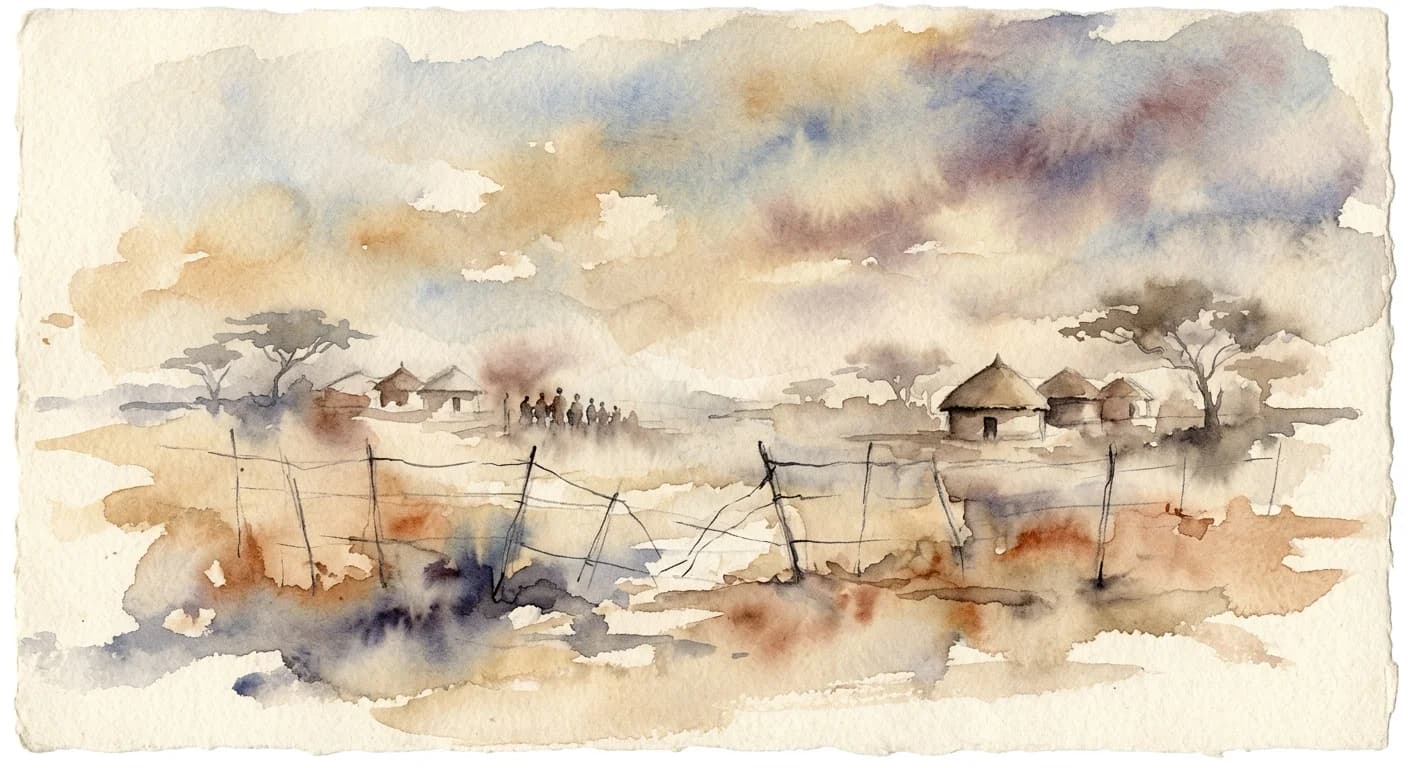
    Artistic representation of Apartheid
    Afrikaans•
    🇿🇦South Africa

    Apartheid

    /uh-PART-hayt/

    Meaning

    Apartheid, an Afrikaans term meaning "apartness," fundamentally describes a system of institutionalized racial segregation and discrimination enforced in South Africa from 1948 to 1994. It meticulously codified racial hierarchy, denying non-white populations, particularly Black Africans, basic human rights, political representation, and economic opportunities. This brutal system permeated every aspect of life, from residence and education to marriage and employment, creating a deeply fractured society built on the systematic oppression and dehumanization of the majority by a white minority.

    Literal Translation

    apartness or separateness

    The Story Behind the Word

    The word 'Apartheid' emerged from the ideology of Afrikaner nationalism, rooted in a perceived divine right to self-determination and racial purity. Its architects drew upon a selective reading of history, Calvinist theology, and a fear of being culturally and numerically overwhelmed by the Black African majority. This worldview fostered a deeply entrenched belief in racial superiority and the necessity of maintaining 'separateness' to preserve white identity and power. The word itself became a banner for a meticulously engineered social order, reflecting a deeply ingrained cultural anxiety and a coercive vision of societal control that sought to erase shared humanity in favor of rigid racial divisions. It is a stark linguistic monument to a deliberate, state-sanctioned project of systematic dehumanization.

    Experience It

    Township Life Under Apartheid

    A young Black woman, born in Soweto, dreams of becoming a doctor. However, due to the Group Areas Act, her family is forcibly relocated to a barren patch of land, and Bantu Education laws restrict her access to quality schooling, systematically limiting her aspirations based solely on her race.

    Defiance in District Six

    Despite the vibrant mixed-race community of District Six in Cape Town, the Apartheid government declares it a 'white area.' Residents are forcibly removed, their homes bulldozed, illustrating the brutal enforcement of racial separation and the destruction of established communities.

    The Deeper Meaning

    The philosophy underpinning 'Apartheid' is a chilling testament to the dangers of essentializing human identity based on race. It reveals a worldview where perceived racial differences are not merely superficial but are fundamental justifications for social stratification, political disenfranchisement, and economic exploitation. It represents a profound rejection of universal human rights and dignity, instead positing that 'apartness' is a natural and necessary order, leading to a system that legally enshrined injustice and inequality.

    Did You Know?

    The architects of Apartheid initially presented it as a form of 'separate development,' claiming it would allow each racial group to flourish independently, a notion that thinly veiled its true oppressive nature.

    How It's Used

    Apartheid is used to refer to the historical system of racial segregation and discrimination that was enforced in South Africa from 1948 to 1994. It is also used more broadly to describe any policy or practice of segregation and discrimination.

    Emotions
    anger,melancholy
    Contexts
    history,politics,social interaction
    🇿🇦South Africa

    by Kwame Nkrumah·Written Mar 14, 2026·Updated Apr 3, 2026

    Related Words

    Explore more
    SaudadePortuguese

    Saudade encapsulates a profound, melancholic longing for something or someone cherished that is absent, often with the bittersweet knowledge that it may never return. It's a deep emotional state tinged with nostalgia, evoking a sense of loss for past experiences, places, or people, yet also holding a tender appreciation for the beauty of what once was. This yearning is not merely sadness, but a complex tapestry of desire, memory, and a poignant acceptance of absence, holding the beloved in a warm, persistent embrace within the heart.

    UbuntuZulu/Xhosa

    Ubuntu is a profound African philosophy that translates to 'I am because we are,' signifying that an individual's humanity is inextricably linked to the humanity of others. It embodies the belief that our existence and well-being are deeply intertwined with the community. This concept emphasizes compassion, reciprocity, dignity, and the understanding that true fulfillment is found not in isolation, but through collective flourishing and mutual support. It's a call to recognize and affirm the humanity in everyone, fostering a sense of interconnectedness.

    JantelovenDanish

    Janteloven, or the Law of Jante, is a pervasive, unspoken social code deeply ingrained in Nordic culture. It dictates that no individual should believe themselves superior, more talented, or more deserving than others, fostering an ethos of collective equality and modesty. This powerful cultural norm discourages overt displays of success or ambition, subtly reinforcing a community-first mindset where blending in is often preferred over standing out. It's a constant, gentle pressure to remain humble, ensuring everyone feels equally valued within the social fabric.

    FlygskamSwedish

    Flygskam, or 'flight shame,' vividly captures the profound guilt and ethical discomfort experienced when one chooses to fly, acutely aware of its substantial environmental footprint. It's an internal struggle, a gnawing unease that prompts individuals to critically re-evaluate their travel habits and actively seek out more ecologically sound alternatives like trains or buses. This powerful Swedish concept embodies a personal reckoning with climate change, transforming an abstract global issue into a deeply felt, individual moral dilemma.