U.
HomeRegionsLanguagesEmotionsCollections
Find Your Word

“The limits of my language mean the limits of my world.”

— Ludwig Wittgenstein, Philosopher

Untranslatable

A curated collection of the world's most beautiful expressions—words that remind us language is humanity's greatest invention.

  • Home
  • Collections
  • Regions
  • Countries
  • Emotions
  • Tags
  • Contexts
  • Finder
  • Europe
  • Asia
  • Americas
  • Africa
  • Middle East
  • About
  • Contact
  • Privacy Policy
  • Terms of Service

2026 © Untranslatable. All rights reserved.

    /
    /
    1. Home
    2. /
    3. Europe
    4. /
    5. Cinquecento
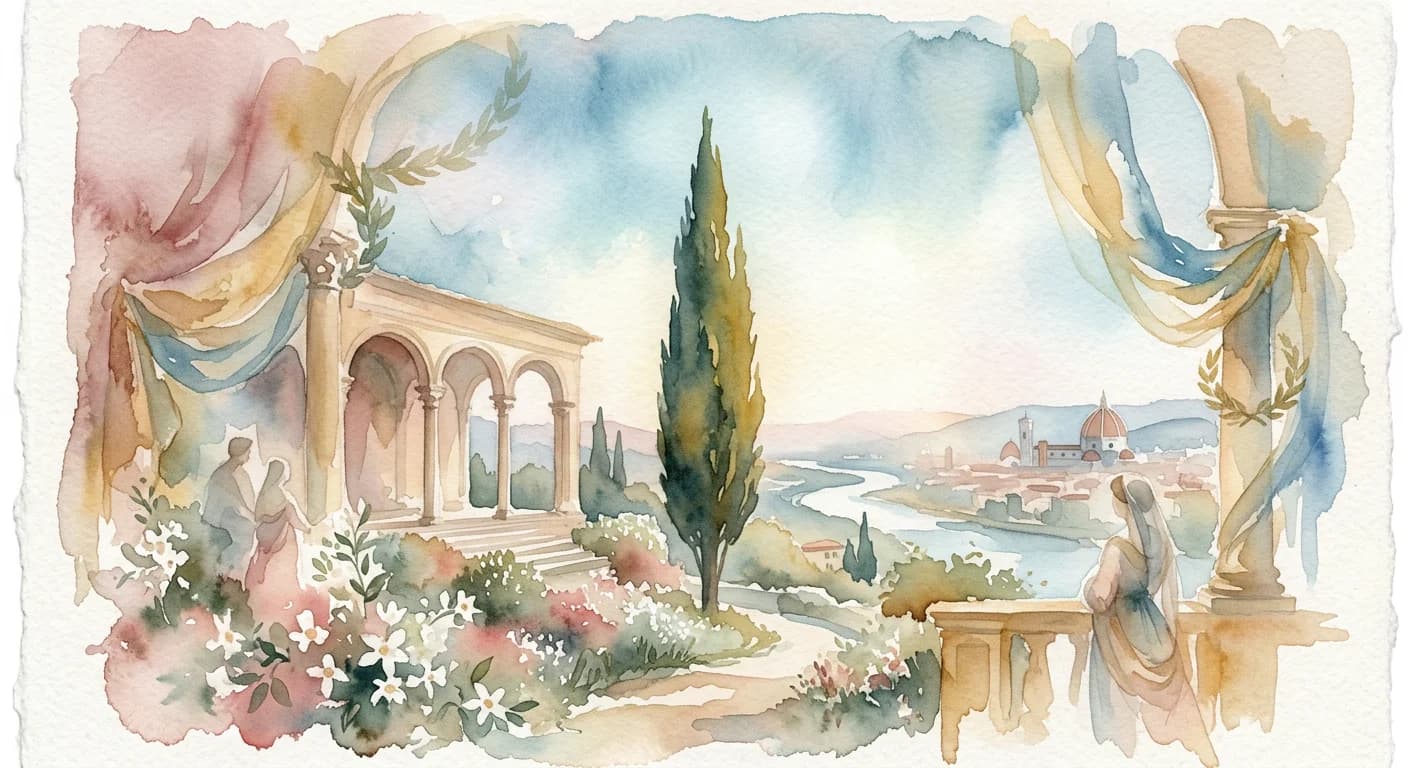
    Artistic representation of Cinquecento
    Italian•
    🇮🇹Italy

    Cinquecento

    /CHIN-kweh-CHEN-toh/

    Meaning

    Cinquecento, literally 'five hundred,' transcends its numerical origin to signify the glorious 16th century in Italy, particularly the High Renaissance. It encapsulates a period of unparalleled artistic and intellectual ferment, where humanism blossomed and titans like Michelangelo, Leonardo da Vinci, and Raphael redefined art, architecture, and thought. This era represents a pinnacle of creative achievement, characterized by a profound pursuit of harmony, balance, and human potential that continues to resonate as a touchstone of Western civilization.

    Literal Translation

    Five hundred

    The Story Behind the Word

    The word 'Cinquecento' exists because the 16th century was not merely a chronological division but a cultural epoch of such profound impact that it demanded its own identity. Following the Quattrocento (15th century), which laid foundational humanist principles, the Cinquecento saw these ideals reach their zenith. It was an age of patrons like the popes Julius II and Leo X, who commissioned monumental works, and of thinkers who synthesized classical antiquity with Christian doctrine. This period reveals a deep Italian reverence for artistic excellence, intellectual inquiry, and the belief in humanity's capacity for greatness. The naming convention (Trecento, Quattrocento, Cinquecento, Seicento) reflects a historical consciousness that frames centuries as distinct cultural chapters, each with its unique character and contributions to the national and global heritage.

    Experience It

    Art History Lecture

    Professor Rossi gestured towards the projection of Michelangelo's 'David.' 'Here, we see the quintessential spirit of the Cinquecento,' he explained, 'a perfect blend of classical ideals, anatomical mastery, and a deep understanding of the human form and spirit.'

    Architectural Tour

    Standing before St. Peter's Basilica, the guide remarked, 'The scale and ambition of this edifice truly embody the architectural prowess of the Cinquecento. It was a time when visionaries sought to build structures that would inspire awe and reflect divine grandeur.'

    The Deeper Meaning

    The Cinquecento embodies a humanistic philosophy where man is central, capable of achieving extraordinary feats through intellect and creativity. It reveals a worldview that values beauty, order, and the emulation of classical perfection, believing that art and knowledge could elevate the human spirit. This era reflects a profound optimism in human potential and a commitment to exploring the boundaries of artistic and intellectual expression.

    Did You Know?

    While 'Cinquecento' refers to the 16th century, Fiat also produced a famous small car called the 'Fiat 500' (Cinquecento), a charming nod to the numeral without direct historical art context.

    How It's Used

    Used to refer to the 16th century in Italy, particularly in the context of art, architecture, and history.

    Emotions
    nostalgia,warmth,wonder
    Contexts
    art,history,seasons
    🇮🇹Italy

    by Kwame Nkrumah·Written Mar 14, 2026·Updated Apr 3, 2026

    Related Words

    Explore more
    HyggeDanish

    Hygge is more than mere coziness; it's a holistic embrace of comfort, warmth, and belonging that nourishes the soul. It describes the intentional creation of an intimate atmosphere where simple pleasures, genuine connection, and mindful presence converge, fostering a profound sense of contentment and well-being. It's about finding joy and peace in the small, everyday moments, often shared with loved ones.

    SaudadePortuguese

    Saudade encapsulates a profound, melancholic longing for something or someone cherished that is absent, often with the bittersweet knowledge that it may never return. It's a deep emotional state tinged with nostalgia, evoking a sense of loss for past experiences, places, or people, yet also holding a tender appreciation for the beauty of what once was. This yearning is not merely sadness, but a complex tapestry of desire, memory, and a poignant acceptance of absence, holding the beloved in a warm, persistent embrace within the heart.

    GezelligDutch

    Gezellig encapsulates a profound sense of warmth, belonging, and convivial comfort, extending beyond mere coziness to embrace the social and emotional atmosphere. It's the feeling of being truly at ease, surrounded by good company, laughter, and a shared sense of contentment. This untranslatable term describes not just a physical space, but a holistic experience where time seems to slow down, fostering genuine connection and a deep sense of well-being.

    Dolce far nienteItalian

    Dolce far niente captures the profound joy and effortless pleasure derived from simply existing without obligation or purpose. It's the art of savoring moments of pure, unadulterated idleness – lying in the sun, watching the clouds drift, or enjoying a leisurely coffee – not as a break from work, but as a valuable state in itself. This 'sweetness of doing nothing' is a conscious embrace of stillness and contentment, allowing the soul to breathe and the senses to fully engage with the present.