U.
HomeRegionsLanguagesEmotionsCollections
Find Your Word

“The limits of my language mean the limits of my world.”

— Ludwig Wittgenstein, Philosopher

Untranslatable

A curated collection of the world's most beautiful expressions—words that remind us language is humanity's greatest invention.

  • Home
  • Collections
  • Regions
  • Countries
  • Emotions
  • Tags
  • Contexts
  • Finder
  • Europe
  • Asia
  • Americas
  • Africa
  • Middle East
  • About
  • Contact
  • Privacy Policy
  • Terms of Service

2026 © Untranslatable. All rights reserved.

    /
    /
    1. Home
    2. /
    3. Europe
    4. /
    5. Ermita
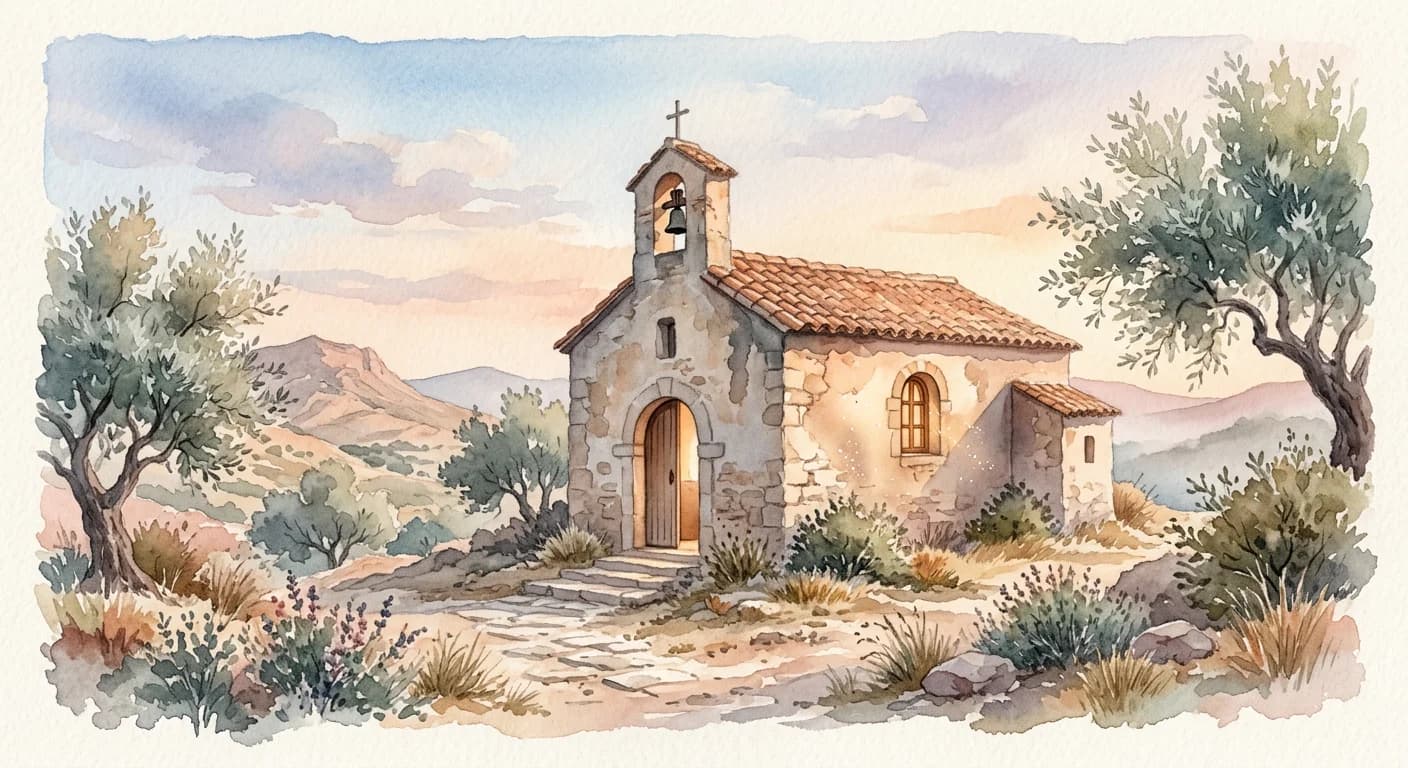
    Artistic representation of Ermita
    Spanish•
    🇵🇭Philippines🇪🇸Spain

    Ermita

    /ehr-MEE-tah/

    Meaning

    An 'ermita' transcends a mere building; it is a spiritual haven, a small, often secluded chapel or hermitage typically dedicated to a specific saint or religious icon. These humble structures, frequently found nestled in rural landscapes, by ancient roads, or even within larger church complexes, beckon the weary soul towards quiet devotion and personal contemplation. It embodies a sacred space where one can momentarily escape the worldly clamor, seeking solace, reflection, and a profound connection to the divine in solitude.

    Literal Translation

    Hermitage, chapel

    The Story Behind the Word

    The 'ermita' is deeply woven into the fabric of Spanish and Hispanic Catholic culture, emerging from centuries of fervent religious devotion and the historical role of hermits in early Christianity. Its existence reflects a worldview where spirituality permeates daily life, and access to sacred spaces is valued, even in remote areas. These chapels often mark significant pilgrimage routes, sites of reported miracles, or simply serve as a spiritual anchor for scattered communities. They embody a belief in the power of individual prayer and the comfort found in quiet communion with the divine, reinforcing a sense of community identity tied to shared religious traditions and venerated local saints. The 'ermita' thus stands as a testament to enduring faith and the human need for sanctuary.

    Experience It

    Pilgrim's Respite

    After miles of walking the ancient path, María spotted the small 'ermita' perched on a hill. She pushed open its creaking wooden door, the cool, quiet interior a welcome balm to her tired feet and spirit. Lighting a small candle, she knelt in prayer, finding renewed strength for her journey.

    Village Festival

    The annual fiesta mayor always culminated at the 'ermita' of San Isidro, patron saint of the local farmers. Villagers, dressed in their finest, processed from the town square, carrying the saint's effigy, filling the small chapel with hymns and offerings, celebrating their heritage and faith.

    The Deeper Meaning

    The 'ermita' embodies a philosophy of accessible spirituality and the profound value of solitude in seeking the divine. It suggests that sacredness is not confined to grand cathedrals but can be found in humble, often isolated places, emphasizing personal devotion over communal spectacle. It reflects a cultural understanding that inner peace and spiritual connection often require withdrawal from the mundane, fostering introspection and a direct, unmediated relationship with faith.

    Did You Know?

    Many 'ermitas' are only opened once a year for a special feast day or pilgrimage, becoming vibrant centers of community celebration before returning to their serene solitude.

    How It's Used

    Used to refer to a small chapel, hermitage, or a place of religious devotion, often a solitary or humble structure.

    Emotions
    gratitude,peace,serenity
    Contexts
    nature,religion,solitude,travel
    🇵🇭Philippines🇪🇸Spain

    by Anya Petrova·Written Mar 14, 2026·Updated Apr 3, 2026

    Related Words

    Explore more
    HyggeDanish

    Hygge is more than mere coziness; it's a holistic embrace of comfort, warmth, and belonging that nourishes the soul. It describes the intentional creation of an intimate atmosphere where simple pleasures, genuine connection, and mindful presence converge, fostering a profound sense of contentment and well-being. It's about finding joy and peace in the small, everyday moments, often shared with loved ones.

    SaudadePortuguese

    Saudade encapsulates a profound, melancholic longing for something or someone cherished that is absent, often with the bittersweet knowledge that it may never return. It's a deep emotional state tinged with nostalgia, evoking a sense of loss for past experiences, places, or people, yet also holding a tender appreciation for the beauty of what once was. This yearning is not merely sadness, but a complex tapestry of desire, memory, and a poignant acceptance of absence, holding the beloved in a warm, persistent embrace within the heart.

    GezelligDutch

    Gezellig encapsulates a profound sense of warmth, belonging, and convivial comfort, extending beyond mere coziness to embrace the social and emotional atmosphere. It's the feeling of being truly at ease, surrounded by good company, laughter, and a shared sense of contentment. This untranslatable term describes not just a physical space, but a holistic experience where time seems to slow down, fostering genuine connection and a deep sense of well-being.

    Dolce far nienteItalian

    Dolce far niente captures the profound joy and effortless pleasure derived from simply existing without obligation or purpose. It's the art of savoring moments of pure, unadulterated idleness – lying in the sun, watching the clouds drift, or enjoying a leisurely coffee – not as a break from work, but as a valuable state in itself. This 'sweetness of doing nothing' is a conscious embrace of stillness and contentment, allowing the soul to breathe and the senses to fully engage with the present.