U.
HomeRegionsLanguagesEmotionsCollections
Find Your Word

“The limits of my language mean the limits of my world.”

— Ludwig Wittgenstein, Philosopher

Untranslatable

A curated collection of the world's most beautiful expressions—words that remind us language is humanity's greatest invention.

  • Home
  • Collections
  • Regions
  • Countries
  • Emotions
  • Tags
  • Contexts
  • Finder
  • Europe
  • Asia
  • Americas
  • Africa
  • Middle East
  • About
  • Contact
  • Privacy Policy
  • Terms of Service

2026 © Untranslatable. All rights reserved.

    /
    /
    1. Home
    2. /
    3. Asia
    4. /
    5. Hakama
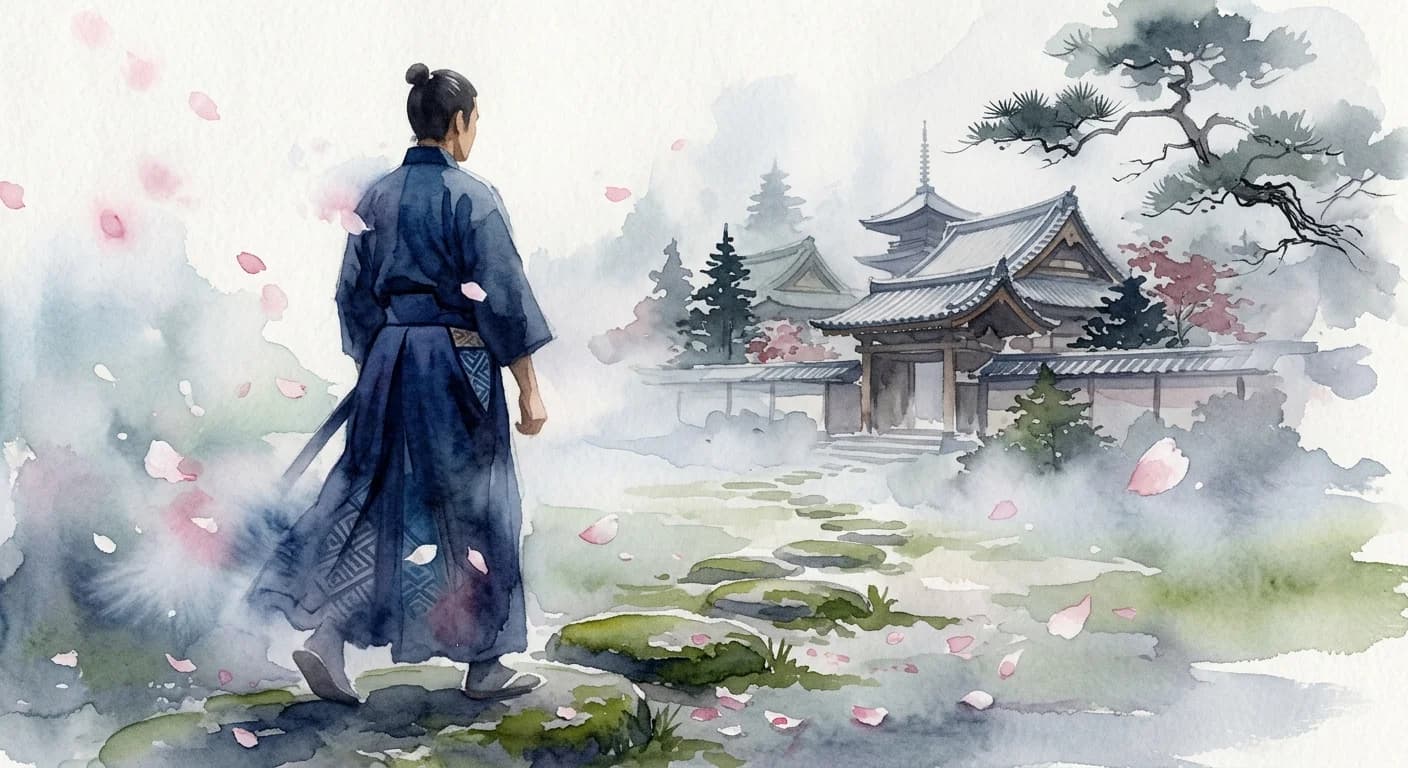
    Artistic representation of Hakama
    Japanese•
    🇯🇵Japan

    Hakama

    /HAH-kah-mah/

    Meaning

    The hakama is a distinguished traditional Japanese garment, resembling wide, pleated trousers or a skirt, worn ceremonially over a kimono. Far from mere clothing, it embodies a profound cultural significance, symbolizing discipline, respect, and the martial spirit in disciplines like Kendo, Aikido, and Kyudo. The meticulous manner in which it is donned, tied, and folded reflects a deep sense of order, mindfulness, and the philosophical connection to historical practices and purposeful movement, making its essence truly untranslatable.

    Literal Translation

    Trousers (historically, though now often a skirt-like garment)

    The Story Behind the Word

    The hakama's journey from functional attire in ancient Japan to its current symbolic status illustrates a deep cultural value placed on tradition and precision. Initially worn by samurai as practical riding attire, its wide legs provided freedom of movement and protection. Over centuries, as the samurai class evolved, so did the hakama, becoming associated with their discipline, honor, and martial prowess. The seven pleats are often said to represent the seven virtues of Bushido (loyalty, honor, integrity, etc.), embodying a moral code. Its continued use in martial arts and formal ceremonies emphasizes a reverence for ancestral practices and the belief that outward presentation reflects inner character and dedication. It reveals a culture that sees purpose and meaning in every detail, even in the folds of a garment.

    Experience It

    Kendo Practice

    A young Kendo practitioner carefully ties his hakama, ensuring each pleat aligns perfectly. He knows that the precision in dressing mirrors the precision required in his sword movements, preparing his mind for focused training.

    Tea Ceremony

    During a solemn tea ceremony, a guest in a silk hakama kneels gracefully. The wide, flowing fabric allows for smooth, unhurried movements, adding to the tranquility and respectful atmosphere of the ritual.

    The Deeper Meaning

    The hakama embodies a Japanese philosophical inclination towards 'form follows function' and 'mindfulness in action.' Its structured yet flowing design encourages disciplined posture and deliberate movement. The act of wearing it is a ritual in itself, fostering a mental state of readiness, respect, and connection to a lineage of tradition. It suggests that even clothing can be a tool for cultivating inner virtues and a profound respect for one's practice and heritage.

    Did You Know?

    The hakama often has seven pleats – five in the front and two in the back – which are said to symbolize the seven virtues of Bushido, the samurai code of conduct.

    How It's Used

    Worn by practitioners of traditional Japanese martial arts, as well as in formal ceremonies like weddings and tea ceremonies.

    Emotions
    resilience,serenity
    Contexts
    celebration,seasons,work
    🇯🇵Japan

    by Annelise Dubois·Written Mar 14, 2026·Updated Apr 3, 2026

    Related Words

    Explore more
    Wabi-sabiJapanese

    Wabi-sabi is the profound appreciation for the ephemeral, the imperfect, and the incomplete aspects of existence. It is about discovering beauty in the subtle textures of age, the unique character of flaws, and the gentle decay that marks the passage of time. This philosophy encourages a quiet acceptance of impermanence and a mindful connection to the natural world, finding elegance in simplicity and authenticity.

    IkigaiJapanese

    Ikigai is more than just a reason to get out of bed; it's a deeply personal and evolving sense of purpose that brings genuine fulfillment and joy to one's life. It represents the sweet spot where your passions, talents, needs of the world, and what you can be paid for beautifully converge. Discovering your ikigai often leads to a life lived with intentionality, resilience, and a profound connection to one's contributions. It's the intrinsic motivation that fuels a meaningful existence, regardless of external circumstances.

    NunchiKorean

    Nunchi is the sophisticated, almost telepathic, ability to instantly grasp the unspoken dynamics of any social situation, anticipating others' thoughts and feelings, and then responding with impeccable grace and timing. It's an acute form of social intuition, allowing one to navigate complex interpersonal landscapes by reading subtle cues like body language, tone, and context. Possessing good nunchi means effortlessly understanding the underlying emotional currents and adjusting one's behavior to maintain harmony and effectiveness, often without a single word exchanged.

    JugaadHindi

    Jugaad is more than just a quick fix; it embodies the spirit of resourceful, ingenious improvisation in the face of scarcity or systemic challenges. It's the art of bending rules, repurposing materials, and thinking outside the box to achieve a desired outcome, often with limited financial or technological resources. This approach celebrates clever workarounds and innovative adaptations, turning constraints into catalysts for creative problem-solving. It's about making do and making something work, brilliantly.