U.
HomeRegionsLanguagesEmotionsCollections
Find Your Word

“The limits of my language mean the limits of my world.”

— Ludwig Wittgenstein, Philosopher

Untranslatable

A curated collection of the world's most beautiful expressions—words that remind us language is humanity's greatest invention.

  • Home
  • Collections
  • Regions
  • Countries
  • Emotions
  • Tags
  • Contexts
  • Finder
  • Europe
  • Asia
  • Americas
  • Africa
  • Middle East
  • About
  • Contact
  • Privacy Policy
  • Terms of Service

2026 © Untranslatable. All rights reserved.

    /
    /
    1. Home
    2. /
    3. Middle East
    4. /
    5. Hazzan
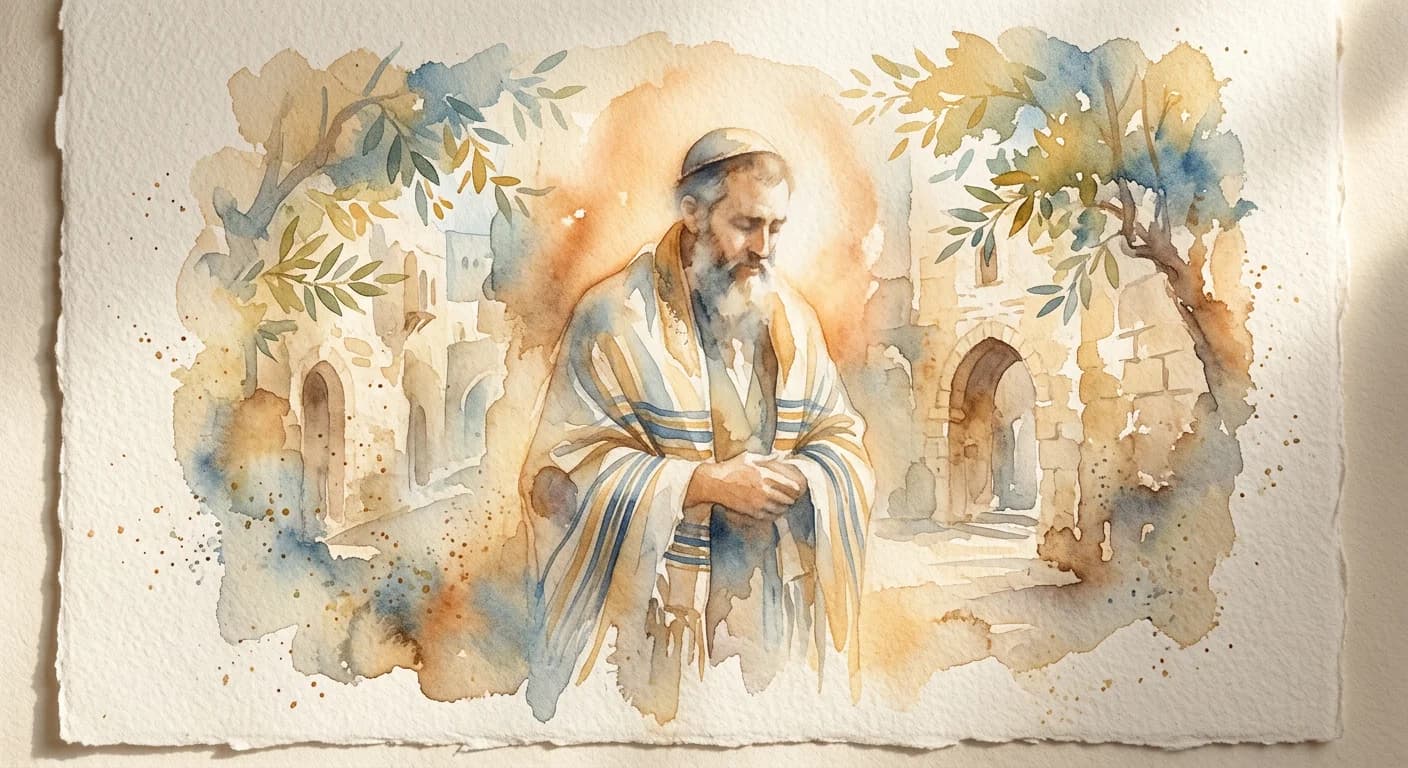
    Artistic representation of Hazzan
    Hebrew•
    🇮🇱Israel

    Hazzan

    /HAH-zahn/

    Meaning

    The Hazzan, or Cantor, is a pivotal spiritual guide within Jewish communities, especially in traditional settings. Beyond merely singing, this role demands a profound mastery of liturgy, musicality, and a deep, resonant voice capable of elevating the congregation's prayers. The Hazzan acts as a spiritual conduit, connecting congregants to their ancestral heritage and the divine presence through meticulously intoned prayers, fostering a collective sense of devotion and spiritual upliftment.

    Literal Translation

    Chanter, Singer

    The Story Behind the Word

    The Hazzan tradition is deeply embedded in Jewish spiritual life, predating modern synagogue structures. Historically, the Hazzan was often the most learned person in the community, not just musically, but also in Jewish law and texts, serving as a prayer leader, teacher, and even scribe. The role evolved from simply leading responsive prayers to becoming a highly specialized art form, particularly during the Golden Age of cantorial music in Eastern Europe. This emphasis on a skilled, emotionally resonant prayer leader reveals a profound Jewish belief in the power of 'kavvanah' – intentionality and heartfelt devotion – to make prayers more potent and to bridge the human and divine. The Hazzan's voice is seen as a vessel for the community's collective yearning, signifying that beauty and artistry can elevate spiritual practice.

    Experience It

    High Holy Days Reverence

    During Yom Kippur, the Hazzan's voice, rich with centuries of tradition, soared through the synagogue during the Kol Nidre prayer. Each note was imbued with solemnity and a plea for forgiveness, visibly moving the congregation to tears and quiet introspection, guiding them through the profound spiritual journey of the day.

    Weekly Shabbat Service

    On a regular Shabbat morning, the Hazzan led the congregation in the 'L'cha Dodi,' welcoming the Sabbath Queen. His melodic rendition, full of joy and warmth, encouraged everyone to join in, transforming individual prayers into a unified, vibrant chorus of communal celebration and spiritual connection.

    The Deeper Meaning

    The Hazzan embodies the philosophy that communal prayer is not merely recitation but a performative act of spiritual elevation. Through the Hazzan, the community's collective soul finds its voice, transforming individual supplications into a powerful, unified expression of faith and connection to the divine. It underscores the Jewish value of 'hiddur mitzvah' – beautifying a commandment – by bringing aesthetic and emotional depth to religious practice.

    Did You Know?

    Historically, some Hazzanim were so revered for their voices and spiritual presence that communities would compete fiercely to secure their services, offering substantial salaries and benefits.

    How It's Used

    The term 'Hazzan' refers to the person who leads the musical and liturgical aspects of Jewish prayer services, often in synagogues. It is a formal title for a professional or highly skilled lay cantor.

    Emotions
    belonging,gratitude,warmth
    Contexts
    celebration,community,family,religion
    🇮🇱Israel

    by Sofia Rossi·Written Mar 14, 2026·Updated Apr 3, 2026

    Related Words

    Explore more
    GezelligDutch

    Gezellig encapsulates a profound sense of warmth, belonging, and convivial comfort, extending beyond mere coziness to embrace the social and emotional atmosphere. It's the feeling of being truly at ease, surrounded by good company, laughter, and a shared sense of contentment. This untranslatable term describes not just a physical space, but a holistic experience where time seems to slow down, fostering genuine connection and a deep sense of well-being.

    SobremesaSpanish

    Sobremesa is the cherished, often extended period immediately following a meal, particularly lunch or dinner, where diners remain seated at the table to enjoy conversation, coffee, and digest not just the food, but the company itself. It’s a dedicated time for unhurried social bonding, storytelling, and shared laughter, transforming a simple meal into a profound communal experience. Far from just clearing the dishes, sobremesa is an integral part of Spanish social life, often lasting for hours.

    Pura vidaSpanish

    More than just 'pure life,' "Pura vida" encapsulates a profound philosophy of embracing the present moment with unwavering optimism and gratitude. It's a daily commitment to finding joy in simple pleasures, accepting life's challenges with a positive spirit, and prioritizing well-being over material possessions. This ubiquitous phrase reflects a national identity built on resilience, community, and an deep appreciation for nature's bounty.

    UbuntuZulu/Xhosa

    Ubuntu is a profound African philosophy that translates to 'I am because we are,' signifying that an individual's humanity is inextricably linked to the humanity of others. It embodies the belief that our existence and well-being are deeply intertwined with the community. This concept emphasizes compassion, reciprocity, dignity, and the understanding that true fulfillment is found not in isolation, but through collective flourishing and mutual support. It's a call to recognize and affirm the humanity in everyone, fostering a sense of interconnectedness.