U.
HomeRegionsLanguagesEmotionsCollections
Find Your Word

“The limits of my language mean the limits of my world.”

— Ludwig Wittgenstein, Philosopher

Untranslatable

A curated collection of the world's most beautiful expressions—words that remind us language is humanity's greatest invention.

  • Home
  • Collections
  • Regions
  • Countries
  • Emotions
  • Tags
  • Contexts
  • Finder
  • Europe
  • Asia
  • Americas
  • Africa
  • Middle East
  • About
  • Contact
  • Privacy Policy
  • Terms of Service

2026 © Untranslatable. All rights reserved.

    /
    /
    1. Home
    2. /
    3. Africa
    4. /
    5. Himba
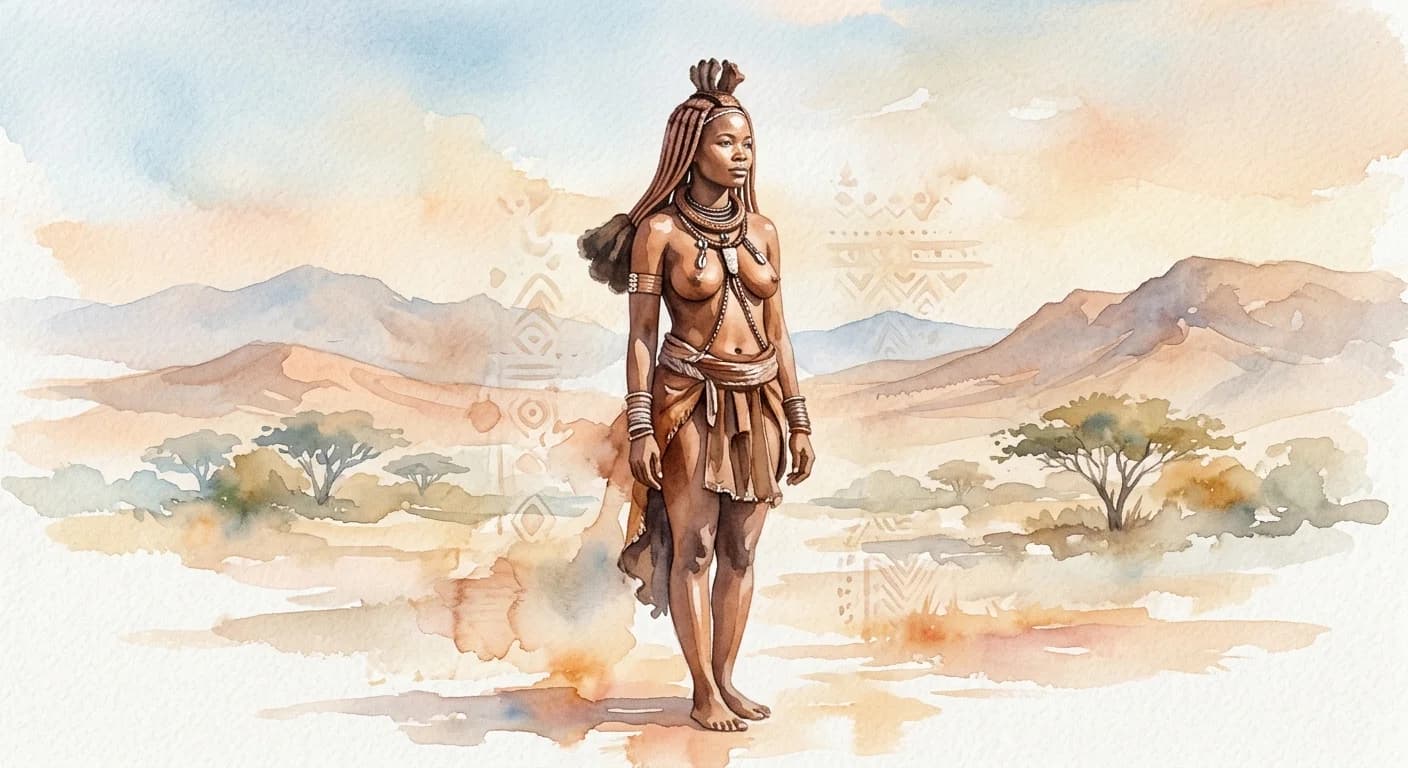
    Artistic representation of Himba
    Otjiherero•
    🇦🇴Angola🇳🇦Namibia

    Himba

    /HIM-bah/

    Meaning

    The Himba are a resilient and distinct indigenous community of North Namibia and Southern Angola, whose very name, 'Himba', encapsulates their enduring identity. More than just an ethnic label, it signifies a people deeply intertwined with their ancestral desert landscapes, whose vibrant culture, marked by intricate social structures, spiritual beliefs, and the iconic 'otjize' (red ochre) body paint, reflects centuries of adaptation and profound connection to their environment. Their way of life is a living testament to tradition, community, and an unwavering self-determination in the modern world.

    Literal Translation

    The etymology of 'Himba' is debated, but it is often associated with the Otjiherero word for 'to beg' or 'to ask', possibly referencing their historical interactions or nomadic lifestyle.

    The Story Behind the Word

    The term 'Himba' is deeply embedded in the historical narrative of this specific group, distinguishing them from other Herero-speaking peoples. While its etymology is debated, the association with 'to beg' or 'to ask' is often linked to their historical circumstances, particularly after a devastating rinderpest epidemic in the late 19th century that decimated their cattle. This led some to seek assistance, perhaps giving rise to the name, while those who stayed and rebuilt were called 'OvaHimba' (the ones who asked for something). This origin story, whether literal or symbolic, speaks to their adaptability, resilience, and the strong community bonds that allowed them to survive and flourish against immense odds. It reveals a culture that values self-sufficiency but also acknowledges the necessity of communal support and resourcefulness in the face of adversity, forging a unique identity rooted in both hardship and triumph.

    Experience It

    A Young Himba's Pride

    A young boy, his skin gleaming with otjize, watches his elders tend to their cattle. He knows he is Himba, a direct descendant of those who weathered droughts and hardships, carrying forward the traditions of his ancestors with every step he takes on the red earth.

    Celebrating Himba Culture

    At a cultural festival, a group performs traditional dances. The vibrant red of their bodies and intricate hairstyles are instantly recognizable, a powerful symbol of their Himba heritage, drawing admiration and respect for their enduring customs.

    The Deeper Meaning

    The very existence and identity of the Himba people, encapsulated by their name, reflect a philosophy of profound connection to land and heritage. It speaks to a worldview where identity is not just individual but deeply communal and ancestral, forged through shared history, hardship, and an unwavering commitment to cultural continuity. Their resilience embodies a philosophy of persistent adaptation and self-determination.

    Did You Know?

    The Himba women's elaborate hairstyles, adorned with butter, ochre, and sometimes goat hair extensions, are not just aesthetic; they signify age, marital status, and social standing within the community.

    How It's Used

    Refers to the indigenous Himba people of Namibia and Angola, and by extension, their culture, traditions, and way of life.

    Emotions
    belonging,pride,resilience
    Contexts
    cultural identity,tradition
    🇦🇴Angola🇳🇦Namibia

    by Kwame Nkrumah·Written Mar 14, 2026·Updated Apr 3, 2026

    Related Words

    Explore more
    SobremesaSpanish

    Sobremesa is the cherished, often extended period immediately following a meal, particularly lunch or dinner, where diners remain seated at the table to enjoy conversation, coffee, and digest not just the food, but the company itself. It’s a dedicated time for unhurried social bonding, storytelling, and shared laughter, transforming a simple meal into a profound communal experience. Far from just clearing the dishes, sobremesa is an integral part of Spanish social life, often lasting for hours.

    JugaadHindi

    Jugaad is more than just a quick fix; it embodies the spirit of resourceful, ingenious improvisation in the face of scarcity or systemic challenges. It's the art of bending rules, repurposing materials, and thinking outside the box to achieve a desired outcome, often with limited financial or technological resources. This approach celebrates clever workarounds and innovative adaptations, turning constraints into catalysts for creative problem-solving. It's about making do and making something work, brilliantly.

    SisuFinnish

    Sisu embodies a profound inner fortitude, an unwavering resolve that manifests as extraordinary determination and courage, particularly when facing seemingly insurmountable obstacles. It’s the deep-seated grit to persevere against all odds, to push through physical and mental exhaustion, and to maintain an unyielding spirit even when defeat appears inevitable. Sisu is not a fleeting burst of bravery, but a sustained, quiet resilience that compels one to act and endure when all rational hope is lost, drawing on an almost primal wellspring of strength.

    UbuntuZulu/Xhosa

    Ubuntu is a profound African philosophy that translates to 'I am because we are,' signifying that an individual's humanity is inextricably linked to the humanity of others. It embodies the belief that our existence and well-being are deeply intertwined with the community. This concept emphasizes compassion, reciprocity, dignity, and the understanding that true fulfillment is found not in isolation, but through collective flourishing and mutual support. It's a call to recognize and affirm the humanity in everyone, fostering a sense of interconnectedness.