Hytte
/HIT-eh/
Meaning
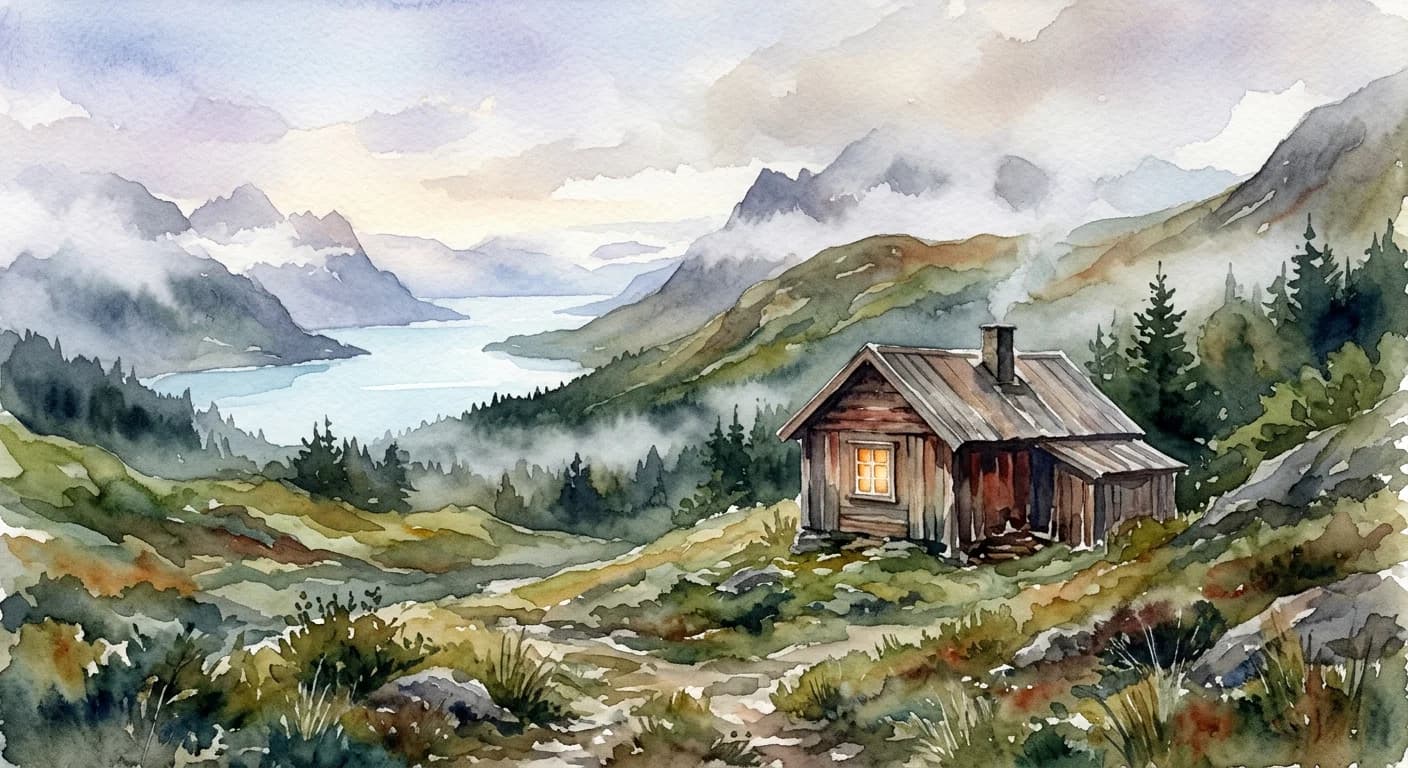
A 'hytte' transcends the simple definition of a cabin; it is a cherished sanctuary, often a modest dwelling nestled organically into Norway's breathtaking landscapes. It embodies a profound retreat from urban life, offering a sacred space for restorative simplicity and deep connection with nature. Owning or visiting a hytte signifies a cultural commitment to embracing peace, fostering self-sufficiency, and forging enduring memories through shared experiences amidst the quiet grandeur of the natural world.
Literal Translation
Cabin/cottage
The Story Behind the Word
The 'hytte' phenomenon is deeply woven into the fabric of Norwegian identity, reflecting a historical and ongoing reverence for nature and a desire for self-reliance. Rooted in traditional farming and fishing communities where small, functional shelters were common, the modern hytte evolved with increased leisure time and prosperity. It represents a deliberate act of disconnecting from the demands of society and reconnecting with fundamental values. For Norwegians, the hytte is not merely a holiday home but a philosophical statement about prioritizing natural cycles over artificial ones, reflecting a worldview that values humility, resilience, and the profound restorative power of the wilderness. It underscores a national character that finds solace and strength in the untamed landscape.
Experience It
Weekend Hytte Escape
After a demanding week in the city, the family piles into the car, excitement building for their drive to the mountain hytte. Upon arrival, the kids immediately run to explore the surrounding woods while the parents light the wood-burning stove, savoring the immediate sense of peace and quiet.
Summer by the Fjord
Generations gather at the coastal hytte, a beloved family tradition. Days are spent fishing from the small boat, swimming in the fjord's cool waters, and evenings are filled with card games and stories by candlelight, disconnected from screens and the outside world.
The Deeper Meaning
The 'hytte' embodies a profound Norwegian philosophy of 'friluftsliv' – the open-air life – and a deep appreciation for 'koselig' (coziness). It reveals a cultural understanding that true well-being comes from simplicity, self-reliance, and a harmonious relationship with nature, offering a necessary counterbalance to the complexities of modern existence and fostering a deep sense of belonging to the land.
Did You Know?
Norway has over 430,000 hytter for a population of just over 5 million, meaning roughly one in every five Norwegians owns or has access to a hytte, highlighting its immense cultural importance.
How It's Used
Used to refer to a small, often rustic, holiday home or cabin, typically located in the countryside or mountains, used for vacation or weekend getaways.