Inkosi
/in-KOH-see/
Meaning
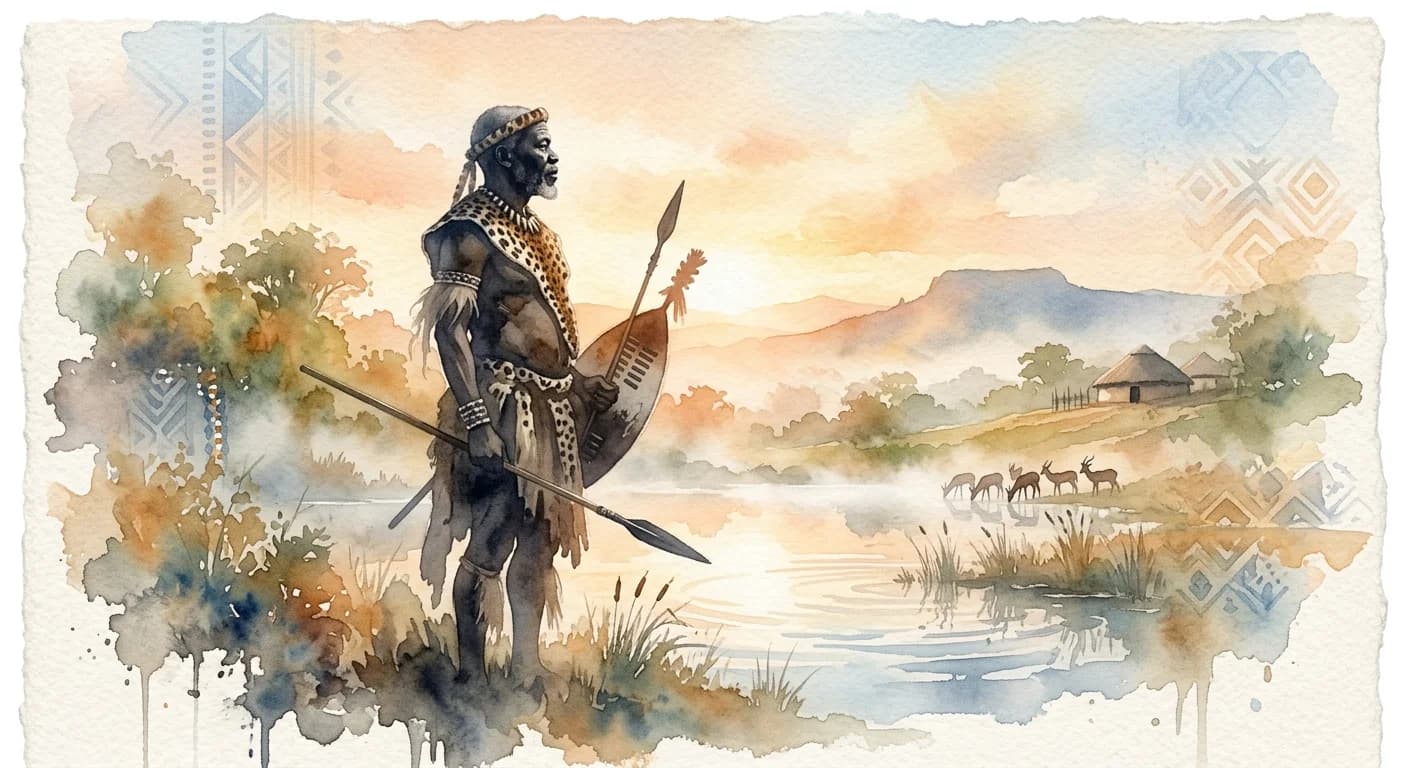
Inkosi transcends a mere title; it embodies the very soul of leadership within Zulu and related Nguni societies. It signifies a revered figure, a 'chief' or 'king,' who is not only a political authority but also the spiritual custodian and protector of the community. This leader is seen as a direct link to the ancestors, responsible for the well-being, prosperity, and moral fabric of their people, carrying a profound weight of inherited duty and communal trust. To address someone as Inkosi is to acknowledge their sacred role as the embodiment of collective identity and destiny.
Literal Translation
chief, king, lord, master
The Story Behind the Word
The existence of 'Inkosi' reflects a deeply communal and hierarchical worldview where leadership is intrinsically linked to ancestral veneration and the holistic welfare of the group. In Zulu culture, the Inkosi is not merely appointed but born into a lineage, carrying the spiritual weight of generations. This word highlights the belief that a leader's authority is divinely sanctioned, flowing from the ancestors (amadlozi), and that their primary role is to maintain 'ubuntu' – humanity towards others – within their domain. The Inkosi is the ultimate decision-maker, judge, and mediator, ensuring harmony and guiding the community through challenges, embodying a system where individual identity is often inseparable from the collective, and respect for elders and tradition is paramount. It reveals a society that values continuity, collective responsibility, and a strong, benevolent hand at the helm.
Experience It
Community Gathering
During a village imbizo (meeting), an elder rises to speak, prefacing his address with 'Siyabonga Inkosi!' (We thank you, Chief!). This acknowledges the chief's presence and authority before any communal discussion begins, signifying respect for his leadership and the wisdom he embodies.
Seeking Guidance
A young man, troubled by a family dispute, approaches the royal kraal. He respectfully greets the chief's attendant, stating, 'Ngifuna ukubona iNkosi' (I wish to see the Inkosi). This indicates his profound trust in the chief's ability to provide impartial wisdom and resolution.
The Deeper Meaning
Inkosi encapsulates a philosophy of leadership where power is not merely exercised but inherited, sacred, and fundamentally tied to service and communal well-being. It underscores a worldview where the leader is a living bridge between the past (ancestors), the present (community), and the future, responsible for maintaining the cosmic and social order. This elevates leadership from a political function to a spiritual and existential one, deeply embedded in the collective identity and fate of the people.
Did You Know?
The word 'Inkosi' is also used in many Christian contexts in Southern Africa to refer to 'Lord' or 'God,' highlighting the profound reverence and ultimate authority associated with the term.
How It's Used
Used as a title of respect for a chief, king, or important leader in Zulu and other Nguni languages. It can also be used more broadly to refer to a lord or master.