U.
HomeRegionsLanguagesEmotionsCollections
Find Your Word

“The limits of my language mean the limits of my world.”

— Ludwig Wittgenstein, Philosopher

Untranslatable

A curated collection of the world's most beautiful expressions—words that remind us language is humanity's greatest invention.

  • Home
  • Collections
  • Regions
  • Countries
  • Emotions
  • Tags
  • Contexts
  • Finder
  • Europe
  • Asia
  • Americas
  • Africa
  • Middle East
  • About
  • Contact
  • Privacy Policy
  • Terms of Service

2026 © Untranslatable. All rights reserved.

    /
    /
    1. Home
    2. /
    3. Asia
    4. /
    5. Kobudo
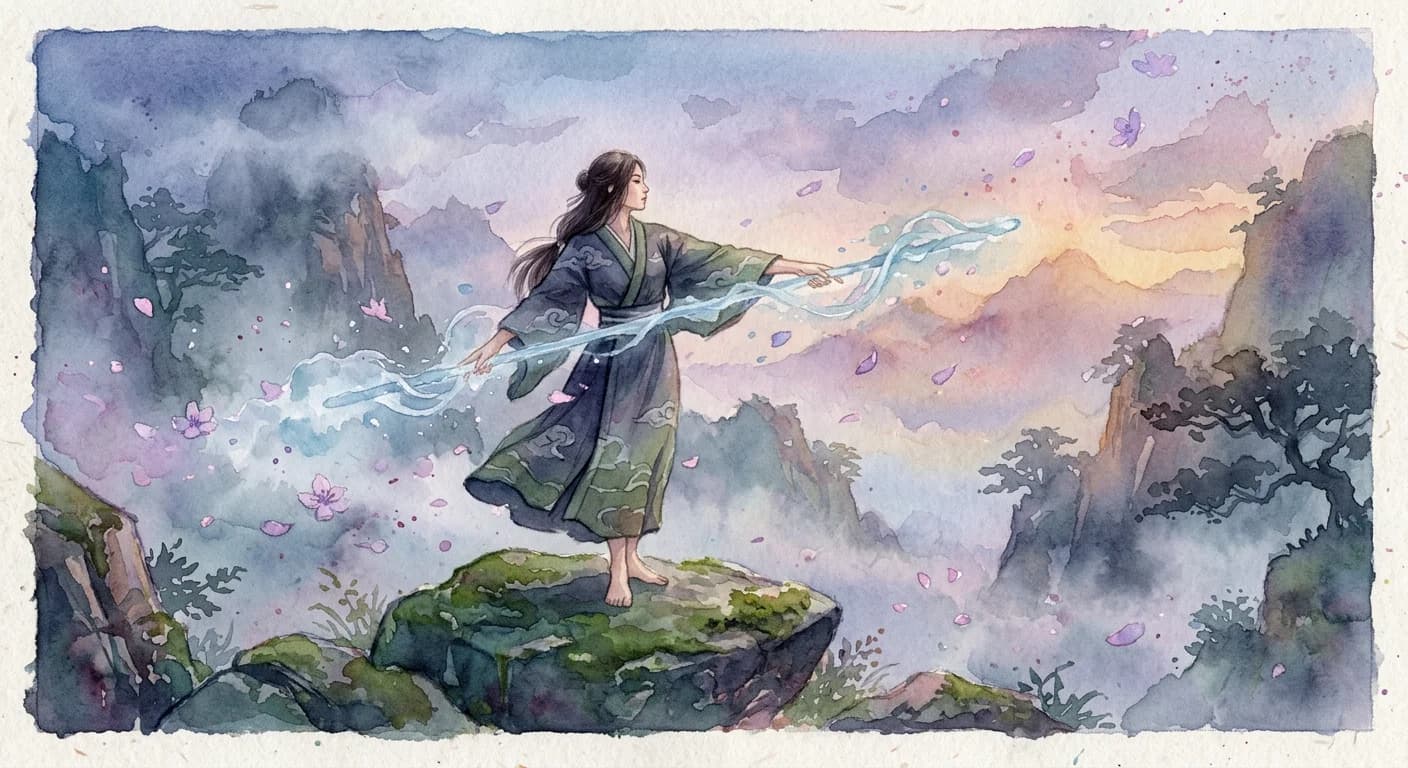
    Artistic representation of Kobudo
    Japanese•
    🇯🇵Japan

    Kobudo

    /koh-boo-doh/

    Meaning

    Kobudo, literally 'ancient martial way,' encapsulates the rich heritage of Okinawan weapon arts, transforming humble farming and fishing tools like the bo (staff), sai (pronged weapon), tonfa (handle), and nunchaku (flail) into formidable instruments of self-defense. It's not merely about wielding a weapon, but a holistic discipline that cultivates physical prowess, mental fortitude, and an unwavering spirit. Through rigorous training, practitioners embody a profound respect for tradition, continuous self-improvement, and a philosophical approach to life's challenges.

    Literal Translation

    ancient martial way

    The Story Behind the Word

    Kobudo emerged from the unique historical circumstances of the Ryukyu Kingdom (present-day Okinawa), where the ruling Satsuma clan of Japan imposed a ban on weapons, leaving the local populace vulnerable. Resourceful Okinawans ingeniously adapted their everyday tools – farming implements like scythes (kama), fishing oar (eku), and even millstone handles (tonfa) – into effective means of protection. This necessity fostered a deep connection between daily life and martial practice, transforming mundane objects into symbols of resilience and self-reliance. The practice reveals a culture that values ingenuity, perseverance in the face of oppression, and the belief that even the simplest tools can become powerful extensions of a disciplined mind and body. It's a testament to the Okinawan spirit of resistance and the enduring legacy of their martial traditions.

    Experience It

    Dojo Training Session

    Sensei Nakasone meticulously demonstrated a bo kata, his movements fluid yet powerful. His student, Kenji, watched intently, knowing that mastering Kobudo wasn't just about technique, but understanding the spirit behind each ancient form passed down through generations.

    Cultural Festival Display

    At the Okinawan cultural festival, a group performed a dynamic Kobudo demonstration. The rhythmic clack of nunchaku and the swift arcs of the bo staff captivated the audience, showcasing a vibrant tradition that continues to thrive and inspire.

    The Deeper Meaning

    Kobudo embodies the philosophy of 'bushi no kokoro' (warrior's heart), emphasizing that true strength comes not from brute force, but from discipline, respect, and the cultivation of inner peace. It teaches that even ordinary objects can become powerful when wielded with intention and skill, reflecting a worldview where resourcefulness and perseverance can overcome adversity.

    Did You Know?

    Many Kobudo weapons, like the nunchaku, were originally designed not for fighting, but for agricultural tasks such as threshing rice, highlighting the ingenuity of their Okinawan creators.

    How It's Used

    Kobudo is used to refer to the specific collection of traditional Okinawan weapon-based martial arts disciplines.

    Emotions
    gratitude,resilience,serenity
    Contexts
    cultural identity,personal growth,weather
    🇯🇵Japan

    by Annelise Dubois·Written Mar 14, 2026·Updated Apr 3, 2026

    Related Words

    Explore more
    Wabi-sabiJapanese

    Wabi-sabi is the profound appreciation for the ephemeral, the imperfect, and the incomplete aspects of existence. It is about discovering beauty in the subtle textures of age, the unique character of flaws, and the gentle decay that marks the passage of time. This philosophy encourages a quiet acceptance of impermanence and a mindful connection to the natural world, finding elegance in simplicity and authenticity.

    IkigaiJapanese

    Ikigai is more than just a reason to get out of bed; it's a deeply personal and evolving sense of purpose that brings genuine fulfillment and joy to one's life. It represents the sweet spot where your passions, talents, needs of the world, and what you can be paid for beautifully converge. Discovering your ikigai often leads to a life lived with intentionality, resilience, and a profound connection to one's contributions. It's the intrinsic motivation that fuels a meaningful existence, regardless of external circumstances.

    NunchiKorean

    Nunchi is the sophisticated, almost telepathic, ability to instantly grasp the unspoken dynamics of any social situation, anticipating others' thoughts and feelings, and then responding with impeccable grace and timing. It's an acute form of social intuition, allowing one to navigate complex interpersonal landscapes by reading subtle cues like body language, tone, and context. Possessing good nunchi means effortlessly understanding the underlying emotional currents and adjusting one's behavior to maintain harmony and effectiveness, often without a single word exchanged.

    JugaadHindi

    Jugaad is more than just a quick fix; it embodies the spirit of resourceful, ingenious improvisation in the face of scarcity or systemic challenges. It's the art of bending rules, repurposing materials, and thinking outside the box to achieve a desired outcome, often with limited financial or technological resources. This approach celebrates clever workarounds and innovative adaptations, turning constraints into catalysts for creative problem-solving. It's about making do and making something work, brilliantly.