U.
HomeRegionsLanguagesEmotionsCollections
Find Your Word

“The limits of my language mean the limits of my world.”

— Ludwig Wittgenstein, Philosopher

Untranslatable

A curated collection of the world's most beautiful expressions—words that remind us language is humanity's greatest invention.

  • Home
  • Collections
  • Regions
  • Countries
  • Emotions
  • Tags
  • Contexts
  • Finder
  • Europe
  • Asia
  • Americas
  • Africa
  • Middle East
  • About
  • Contact
  • Privacy Policy
  • Terms of Service

2026 © Untranslatable. All rights reserved.

    /
    /
    1. Home
    2. /
    3. Europe
    4. /
    5. Kolhoze
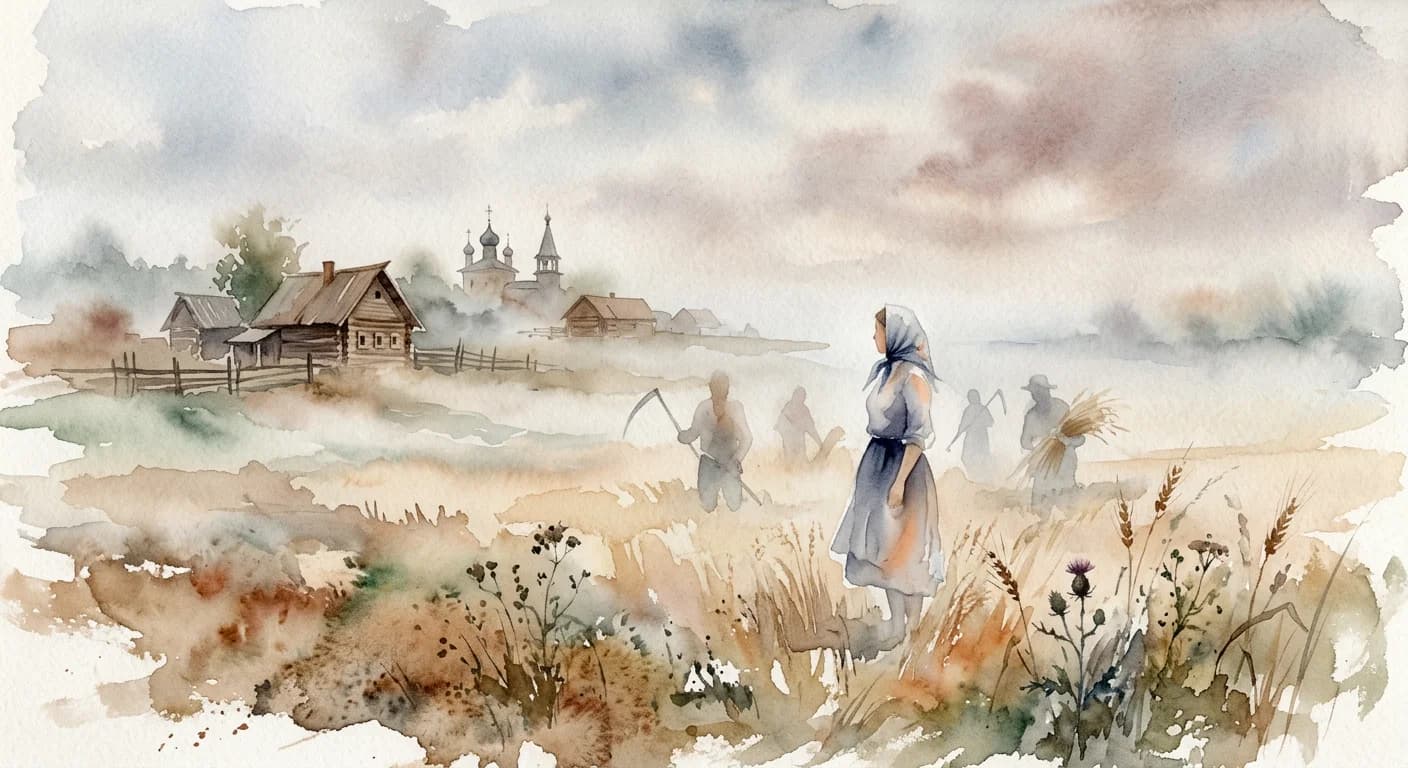
    Artistic representation of Kolhoze
    Russian•
    🇧🇾Belarus🇷🇺Russia🇺🇦Ukraine

    Kolhoze

    /KAL-ho-zyeh/

    Meaning

    Kolhoze, beyond its literal translation of 'collective farm,' encapsulates a profound and often painful chapter in Russian and Soviet history. It evokes an image of vast, state-controlled agricultural enterprises where individual land ownership was abolished, and farmers worked communally under strict government directives. The word carries the heavy weight of forced collectivization, the promise of socialist prosperity, and the harsh realities of labor, scarcity, and the suppression of individual initiative that frequently defined life for millions within this system.

    Literal Translation

    Collective farm

    The Story Behind the Word

    The 'kolhoze' emerged as a central pillar of Soviet agricultural policy under Stalin in the late 1920s, a radical departure from centuries of peasant farming. Its existence was rooted in Marxist-Leninist ideology, which sought to eliminate private property and create a classless society, with agriculture organized on a large, industrialized scale. For the Russian people, 'kolhoze' became synonymous with the trauma of forced collectivization, which led to widespread famine, resistance, and the re-education of an entire rural population. It represents a period where collective identity was prioritized over individual rights, and state control permeated every aspect of daily life, shaping not just how food was produced, but also social structures, family dynamics, and personal freedoms. The word embodies the Soviet attempt to engineer a new human being and a new society, often at immense human cost.

    Experience It

    Grandfather's Memory

    During a family dinner, young Anya asks her grandfather about his childhood. He sighs, "Life on the kolhoze was hard, Anya. We worked from dawn till dusk, and often had little to show for it. But we worked together, for better or worse."

    Historical Discussion

    A university professor explains, "The kolhoze was not merely an economic unit; it was a social experiment. It aimed to transform the individualistic peasant into a collective worker, fundamentally altering the fabric of Russian rural society."

    The Deeper Meaning

    The concept of 'kolhoze' reveals a worldview that prioritized the collective good and state planning above individual liberty and private enterprise. It reflects a belief in the malleability of human nature and the power of ideological transformation to create a new, supposedly more equitable, societal order, even if achieved through coercive means. It underscores the tension between utopian ideals and the often brutal realities of their implementation.

    Did You Know?

    Despite the hardships, some kolkhozes, particularly those focused on specialized crops or with strong leadership, did achieve significant production levels and even built local cultural centers.

    How It's Used

    Used to refer to collective farms in the former Soviet Union and its successor states, often carrying historical and political connotations.

    Emotions
    bittersweet,melancholy,nostalgia
    Contexts
    history,seasons,work
    🇧🇾Belarus🇷🇺Russia🇺🇦Ukraine

    by Kwame Nkrumah·Written Mar 14, 2026·Updated Apr 3, 2026

    Related Words

    Explore more
    HyggeDanish

    Hygge is more than mere coziness; it's a holistic embrace of comfort, warmth, and belonging that nourishes the soul. It describes the intentional creation of an intimate atmosphere where simple pleasures, genuine connection, and mindful presence converge, fostering a profound sense of contentment and well-being. It's about finding joy and peace in the small, everyday moments, often shared with loved ones.

    SaudadePortuguese

    Saudade encapsulates a profound, melancholic longing for something or someone cherished that is absent, often with the bittersweet knowledge that it may never return. It's a deep emotional state tinged with nostalgia, evoking a sense of loss for past experiences, places, or people, yet also holding a tender appreciation for the beauty of what once was. This yearning is not merely sadness, but a complex tapestry of desire, memory, and a poignant acceptance of absence, holding the beloved in a warm, persistent embrace within the heart.

    GezelligDutch

    Gezellig encapsulates a profound sense of warmth, belonging, and convivial comfort, extending beyond mere coziness to embrace the social and emotional atmosphere. It's the feeling of being truly at ease, surrounded by good company, laughter, and a shared sense of contentment. This untranslatable term describes not just a physical space, but a holistic experience where time seems to slow down, fostering genuine connection and a deep sense of well-being.

    Dolce far nienteItalian

    Dolce far niente captures the profound joy and effortless pleasure derived from simply existing without obligation or purpose. It's the art of savoring moments of pure, unadulterated idleness – lying in the sun, watching the clouds drift, or enjoying a leisurely coffee – not as a break from work, but as a valuable state in itself. This 'sweetness of doing nothing' is a conscious embrace of stillness and contentment, allowing the soul to breathe and the senses to fully engage with the present.

    Featured in 1 collection

    ⏳Temporal Tapestry