Kumu
/KOO-moo/
Meaning
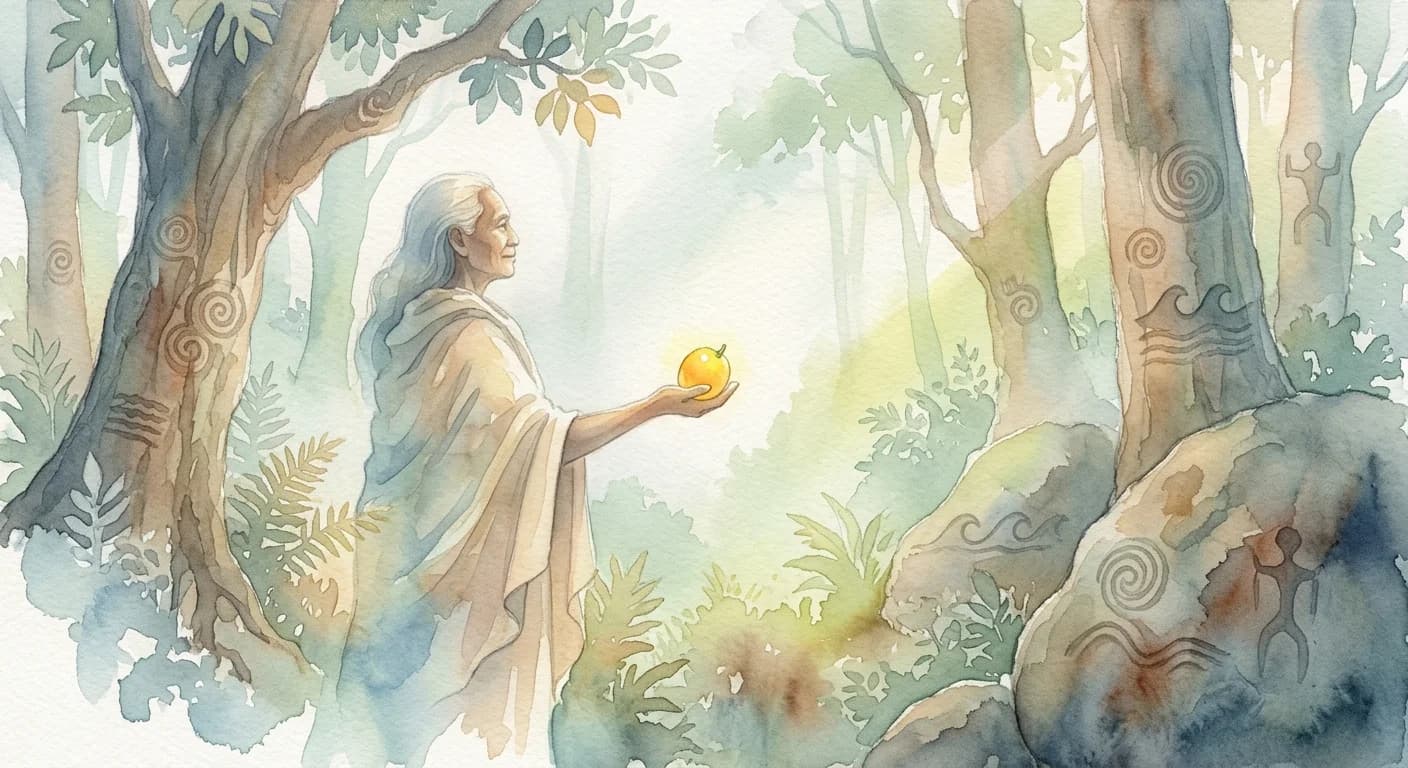
In Hawaiian culture, a 'Kumu' transcends the Western concept of a teacher, embodying the very foundation and wellspring of knowledge. This revered individual is not merely an instructor, but a nurturing guide, a mentor who cultivates growth, and the living embodiment of established wisdom passed down through generations. To be called Kumu is to be acknowledged as a vital source, deeply respected for your profound connection to tradition and your ability to foster the learning journey within a specific cultural context.
Literal Translation
Source, teacher, foundation
The Story Behind the Word
The concept of 'Kumu' is deeply intertwined with the Hawaiian worldview, which emphasizes interconnectedness, lineage, and the profound respect for elders and ancestral knowledge. In ancient Hawai'i, knowledge was often specialized and sacred, passed down orally within families or specific institutions like hālau (schools). The Kumu was the keeper and transmitter of this vital cultural heritage—whether it was hula, chant, navigation, or healing. Their role was not just to impart facts, but to instill values, ethics, and a deep understanding of one's place in the cosmos. This word reflects a society where learning is a lifelong journey, rooted in communal responsibility and the preservation of identity.
Experience It
Hula Kumu's Guidance
A young dancer struggles with a complex hula step. Her Kumu gently corrects her posture, not just with words, but by embodying the movement, explaining its deeper meaning, and encouraging her to feel the connection to the land and ancestors.
Kumu of the Land
At a community gathering, an elder shares traditional agricultural practices. He is revered as a Kumu, not only for his expertise in farming but for his wisdom in sustainable living and his deep understanding of the 'āina (land).
The Deeper Meaning
The concept of Kumu reveals a worldview where knowledge is not an abstract commodity but a living, breathing entity deeply rooted in ancestry, community, and the natural world. It underscores the Hawaiian philosophy of 'mālama' (to care for, protect), extending to the care and perpetuation of cultural knowledge through dedicated mentorship and respect for the origins of wisdom.
Did You Know?
The word 'kumu' also literally means 'base,' 'bottom,' or 'trunk of a tree,' beautifully illustrating the foundational role of a teacher as the sturdy support from which knowledge branches and grows.
How It's Used
Used to refer to a teacher, mentor, expert, source, or foundation, especially within Hawaiian culture and education.