Magal
/MAH-gahl/
Meaning
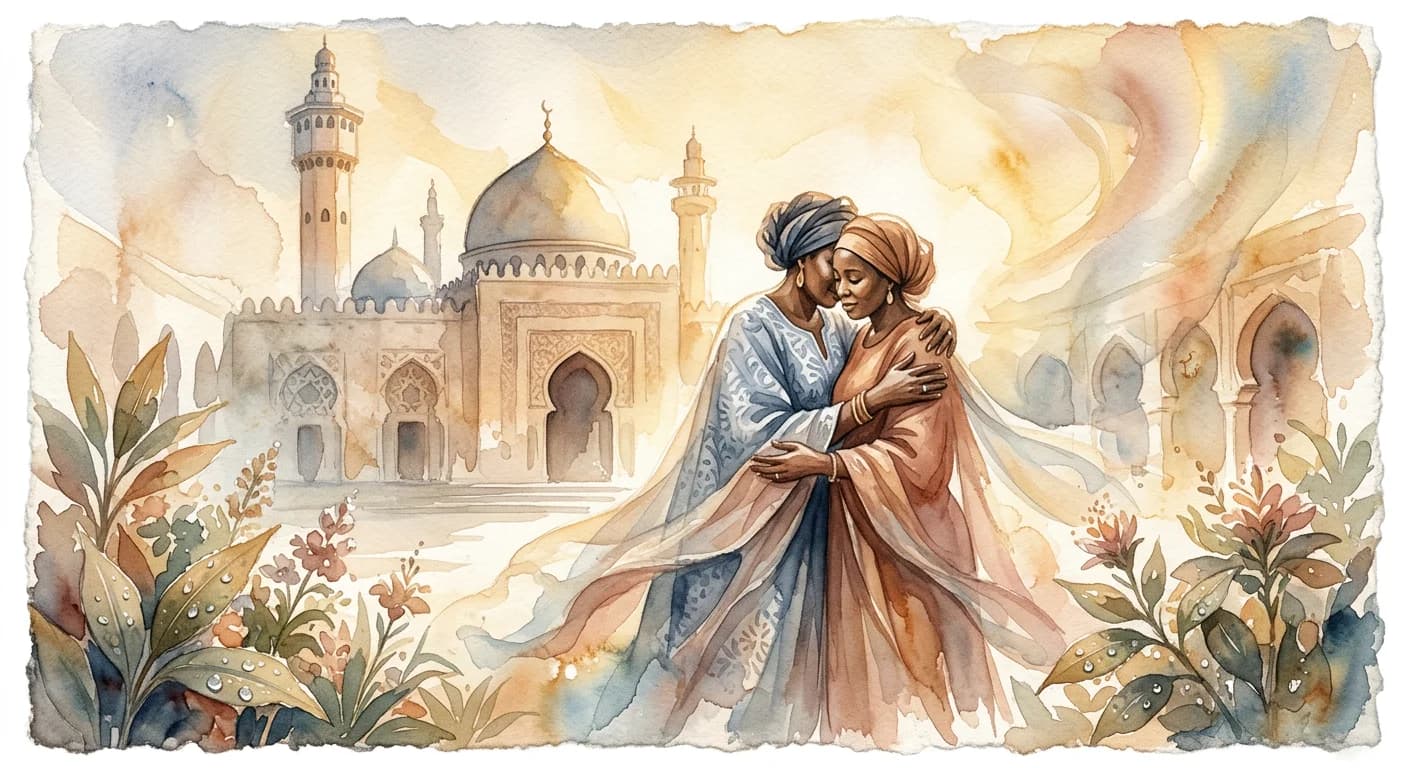
Magal in Wolof transcends mere hospitality; it's a profound cultural imperative to embrace visitors with boundless generosity and heartfelt care, treating them as cherished family members. It signifies an open-hearted welcome that prioritizes the guest's comfort and honor above all else, often involving sharing one's last meal or offering the best of what one possesses. This deep-seated practice fosters an immediate sense of belonging and warmth, solidifying community bonds through selfless giving and mutual respect.
Literal Translation
hospitality
The Story Behind the Word
The concept of Magal is deeply embedded in the social fabric and spiritual philosophy of Wolof culture, stemming from ancient traditions of communal living and Islamic teachings that emphasize generosity and welcoming the stranger. In a society where resources might be scarce, Magal highlights a profound belief that sharing strengthens the collective and brings blessings. It reflects a worldview where individual well-being is intrinsically linked to the community's harmony and where every person, especially a guest, is seen as a conduit for good fortune. This practice is not merely politeness but a moral obligation and a spiritual act, ensuring social cohesion and reinforcing the values of solidarity and human dignity.
Experience It
Unexpected Village Visitor
A distant relative arrives unannounced in a small Wolof village. Despite the family's modest means, the mother immediately prepares their finest meal, offers her own bed to the guest, and ensures every need is met, embodying Magal without hesitation.
Market Day Feast
During a bustling market day, a vendor notices a traveler looking tired and hungry. He insists the traveler share his lunch, offering the best portion of his own food, refusing any payment, and engaging in warm conversation, demonstrating Magal in action.
The Deeper Meaning
Magal reveals a collectivist philosophy where human connection and community well-being supersede individualistic concerns. It posits that true wealth lies not in material possessions but in the richness of human relationships and the ability to give generously. This worldview fosters a society built on mutual support, trust, and the profound understanding that everyone benefits when compassion and open-heartedness are extended to all.
Did You Know?
The Grand Magal of Touba, an annual pilgrimage in Senegal, is one of the largest religious gatherings in the world, and its very name signifies the immense hospitality offered to millions of pilgrims.
How It's Used
Used when referring to the act of welcoming and hosting guests with exceptional generosity and kindness, often in a communal or family setting.