U.
HomeRegionsLanguagesEmotionsCollections
Find Your Word

“The limits of my language mean the limits of my world.”

— Ludwig Wittgenstein, Philosopher

Untranslatable

A curated collection of the world's most beautiful expressions—words that remind us language is humanity's greatest invention.

  • Home
  • Collections
  • Regions
  • Countries
  • Emotions
  • Tags
  • Contexts
  • Finder
  • Europe
  • Asia
  • Americas
  • Africa
  • Middle East
  • About
  • Contact
  • Privacy Policy
  • Terms of Service

2026 © Untranslatable. All rights reserved.

    /
    /
    1. Home
    2. /
    3. Asia
    4. /
    5. Majime
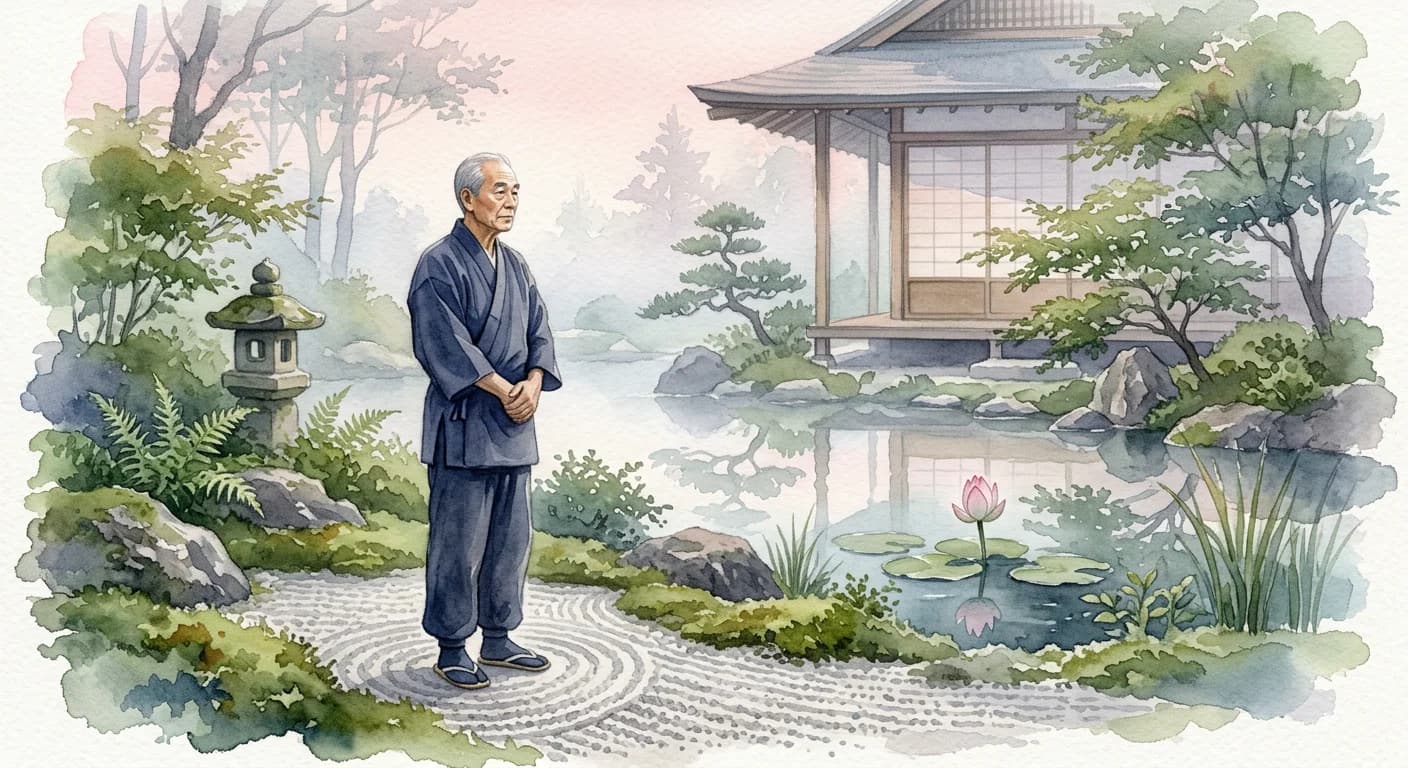
    Artistic representation of Majime
    Japanese•
    🇯🇵Japan

    Majime

    /mah-jee-meh/

    Meaning

    Majime encapsulates a profound dedication to one's responsibilities, reflecting an individual who approaches life with unwavering sincerity and a meticulous conscientiousness. It signifies more than mere seriousness; it speaks to an inherent integrity, a commitment to doing things correctly and reliably, often prioritizing duty over personal indulgence. A majime person is the steadfast pillar of any group, valued for their dependable nature and principled conduct, consistently striving for excellence in their endeavors.

    Literal Translation

    Serious, earnest, sincere

    The Story Behind the Word

    The concept of majime is deeply woven into the fabric of Japanese society, reflecting a cultural emphasis on harmony, collective well-being, and structured contribution. Its roots can be traced to Confucian ideals, which prioritized rectitude, diligence, and loyalty, especially within hierarchical relationships. In a society that values group cohesion and mutual reliance, a 'majime' individual is essential for maintaining order and progress. This word reveals a worldview where personal character is measured by one's commitment to their role and responsibilities, contributing to a stable and predictable social environment. It's not just about individual virtue, but about how that virtue strengthens the community.

    Experience It

    The Diligent Student

    Kenji always submits his homework on time, meticulously prepared and double-checked. He attends every study session, even when not strictly necessary, because he believes in thoroughness. His teachers and classmates trust him implicitly with group projects, knowing he’ll always pull his weight and ensure quality.

    The Reliable Colleague

    When a complex project deadline loomed, everyone knew they could count on Ms. Tanaka. She arrived early, stayed late, and systematically addressed every challenge, never cutting corners. Her colleagues admire her unwavering commitment and the calm, focused energy she brings to even the most stressful situations.

    The Deeper Meaning

    Majime reflects a deep-seated Japanese philosophy that personal virtue is inextricably linked to one's contribution to the collective. It champions the idea that consistent effort, sincerity, and responsibility are not just individual traits, but fundamental building blocks for social stability and mutual trust. This worldview values the quiet, dependable worker over the flashy, unpredictable genius.

    Did You Know?

    While generally positive, being 'too majime' can sometimes imply a lack of spontaneity or creativity, suggesting someone might be overly rigid or humorless.

    How It's Used

    Used to describe a person's character, often in a positive light, highlighting their seriousness, sincerity, and reliability.

    Emotions
    gratitude,serenity
    Contexts
    family,friendship,work
    🇯🇵Japan

    by Anya Petrova·Written Mar 14, 2026·Updated Apr 3, 2026

    Related Words

    Explore more
    Wabi-sabiJapanese

    Wabi-sabi is the profound appreciation for the ephemeral, the imperfect, and the incomplete aspects of existence. It is about discovering beauty in the subtle textures of age, the unique character of flaws, and the gentle decay that marks the passage of time. This philosophy encourages a quiet acceptance of impermanence and a mindful connection to the natural world, finding elegance in simplicity and authenticity.

    IkigaiJapanese

    Ikigai is more than just a reason to get out of bed; it's a deeply personal and evolving sense of purpose that brings genuine fulfillment and joy to one's life. It represents the sweet spot where your passions, talents, needs of the world, and what you can be paid for beautifully converge. Discovering your ikigai often leads to a life lived with intentionality, resilience, and a profound connection to one's contributions. It's the intrinsic motivation that fuels a meaningful existence, regardless of external circumstances.

    NunchiKorean

    Nunchi is the sophisticated, almost telepathic, ability to instantly grasp the unspoken dynamics of any social situation, anticipating others' thoughts and feelings, and then responding with impeccable grace and timing. It's an acute form of social intuition, allowing one to navigate complex interpersonal landscapes by reading subtle cues like body language, tone, and context. Possessing good nunchi means effortlessly understanding the underlying emotional currents and adjusting one's behavior to maintain harmony and effectiveness, often without a single word exchanged.

    JugaadHindi

    Jugaad is more than just a quick fix; it embodies the spirit of resourceful, ingenious improvisation in the face of scarcity or systemic challenges. It's the art of bending rules, repurposing materials, and thinking outside the box to achieve a desired outcome, often with limited financial or technological resources. This approach celebrates clever workarounds and innovative adaptations, turning constraints into catalysts for creative problem-solving. It's about making do and making something work, brilliantly.