U.
HomeRegionsLanguagesEmotionsCollections
Find Your Word

“The limits of my language mean the limits of my world.”

— Ludwig Wittgenstein, Philosopher

Untranslatable

A curated collection of the world's most beautiful expressions—words that remind us language is humanity's greatest invention.

  • Home
  • Collections
  • Regions
  • Countries
  • Emotions
  • Tags
  • Contexts
  • Finder
  • Europe
  • Asia
  • Americas
  • Africa
  • Middle East
  • About
  • Contact
  • Privacy Policy
  • Terms of Service

2026 © Untranslatable. All rights reserved.

    /
    /
    1. Home
    2. /
    3. Europe
    4. /
    5. Maquis
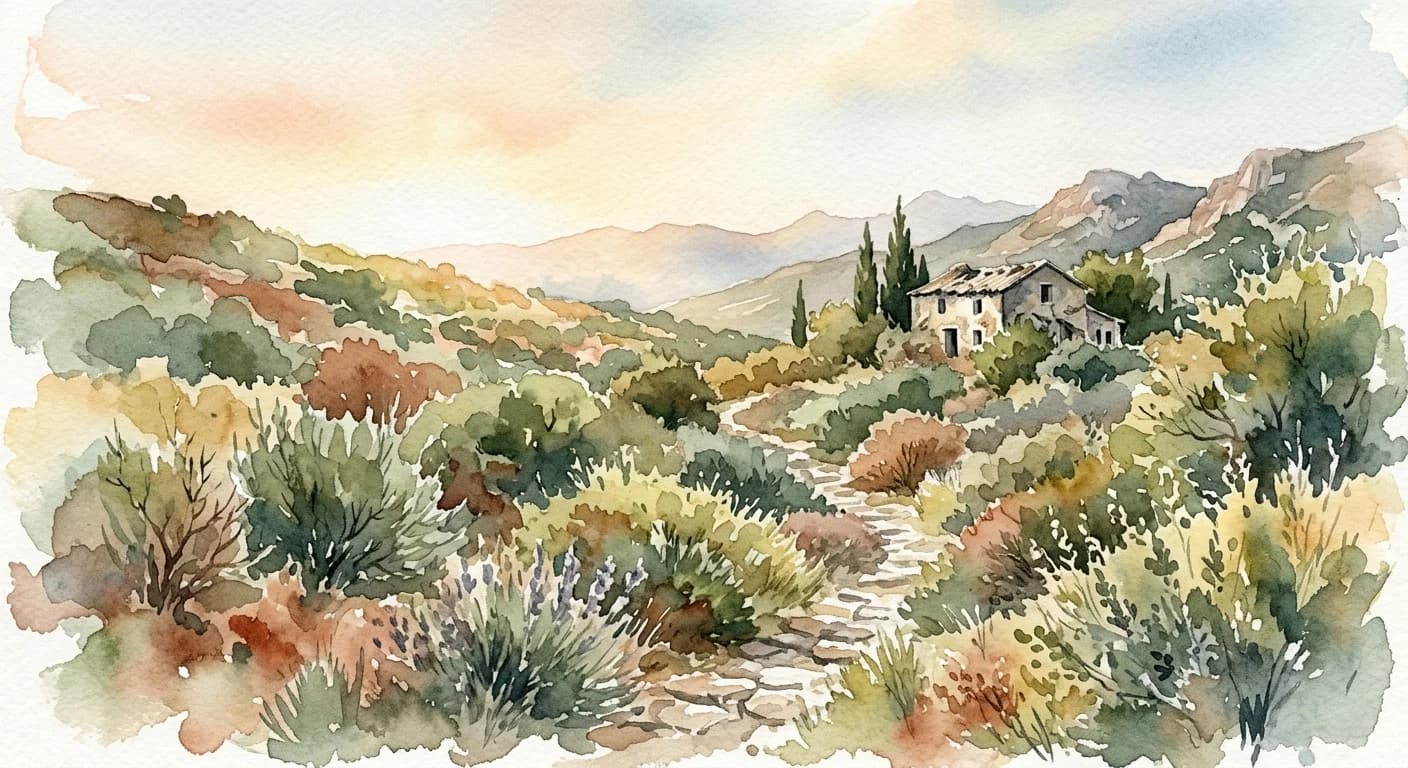
    Artistic representation of Maquis
    French•
    🇫🇷France

    Maquis

    /MAH-kee/

    Meaning

    The term 'Maquis' conjures images of the dense, aromatic shrubland that cloaks the Mediterranean coastlines, especially prominent in Corsica. It's a vibrant tapestry of wild herbs, thorny bushes, and stunted trees, exuding a distinct, earthy perfume. More than mere vegetation, it embodies wild, untamed nature, symbolizing resilience and hidden strength, historically providing refuge for those who sought to resist or evade capture. It is a landscape that whispers tales of survival and defiant independence.

    Literal Translation

    shrubland, scrubland

    The Story Behind the Word

    The 'Maquis' is deeply woven into the fabric of French, and particularly Corsican, identity. Historically, its impenetrable nature offered sanctuary for outlaws, bandits, and later, the heroic French Resistance fighters during World War II, who became known as 'maquisards.' This association forged an enduring link between the landscape and a spirit of fierce independence, rebellion, and a refusal to be conquered. For Corsicans, the maquis is not just a geographical feature; it's a living monument to their resilient spirit, a place where their ancestors found freedom and fought for their land. It represents a deep connection to the wild, untamed aspects of their heritage, a place of both harsh beauty and profound liberty. The scent of the maquis itself is an olfactory memory for many, instantly transporting them to this rugged, defiant land.

    Experience It

    Scent of the Maquis

    As they hiked through the Corsican hills, the air grew heavy with the intoxicating scent of myrtle, cistus, and immortelle. 'Ah, the maquis!' exclaimed Jean-Luc, closing his eyes to savor the wild perfume, 'This is the true soul of our island.'

    Hiding in the Maquis

    During the war, the young resistance fighter knew the maquis intimately. Its dense thickets became his home, its thorny embrace a shield against the enemy, a silent accomplice in his fight for freedom.

    The Deeper Meaning

    The 'Maquis' embodies a philosophy of resilience and the indomitable spirit of nature and humanity. It suggests that true strength often lies in hidden, wild places, capable of nurturing defiance and offering refuge from oppression. It speaks to a deep appreciation for autonomy and the inherent power of a landscape to shape character and destiny, fostering a sense of rootedness and fierce independence.

    Did You Know?

    The distinct, pungent smell of the maquis is so powerful that Napoleon Bonaparte, while exiled on Elba, famously claimed he could recognize Corsica blindfolded, solely by its fragrance.

    How It's Used

    Used to describe the specific type of Mediterranean shrubland, especially in Corsica, and also historically to refer to the French Resistance fighters who operated from these areas.

    Emotions
    belonging,peace,resilience,serenity
    Contexts
    nature,seasons,travel,work
    🇫🇷France

    by Sofia Rossi·Written Mar 14, 2026·Updated Apr 3, 2026

    Related Words

    Explore more
    HyggeDanish

    Hygge is more than mere coziness; it's a holistic embrace of comfort, warmth, and belonging that nourishes the soul. It describes the intentional creation of an intimate atmosphere where simple pleasures, genuine connection, and mindful presence converge, fostering a profound sense of contentment and well-being. It's about finding joy and peace in the small, everyday moments, often shared with loved ones.

    SaudadePortuguese

    Saudade encapsulates a profound, melancholic longing for something or someone cherished that is absent, often with the bittersweet knowledge that it may never return. It's a deep emotional state tinged with nostalgia, evoking a sense of loss for past experiences, places, or people, yet also holding a tender appreciation for the beauty of what once was. This yearning is not merely sadness, but a complex tapestry of desire, memory, and a poignant acceptance of absence, holding the beloved in a warm, persistent embrace within the heart.

    GezelligDutch

    Gezellig encapsulates a profound sense of warmth, belonging, and convivial comfort, extending beyond mere coziness to embrace the social and emotional atmosphere. It's the feeling of being truly at ease, surrounded by good company, laughter, and a shared sense of contentment. This untranslatable term describes not just a physical space, but a holistic experience where time seems to slow down, fostering genuine connection and a deep sense of well-being.

    Dolce far nienteItalian

    Dolce far niente captures the profound joy and effortless pleasure derived from simply existing without obligation or purpose. It's the art of savoring moments of pure, unadulterated idleness – lying in the sun, watching the clouds drift, or enjoying a leisurely coffee – not as a break from work, but as a valuable state in itself. This 'sweetness of doing nothing' is a conscious embrace of stillness and contentment, allowing the soul to breathe and the senses to fully engage with the present.