U.
HomeRegionsLanguagesEmotionsCollections
Find Your Word

“The limits of my language mean the limits of my world.”

— Ludwig Wittgenstein, Philosopher

Untranslatable

A curated collection of the world's most beautiful expressions—words that remind us language is humanity's greatest invention.

  • Home
  • Collections
  • Regions
  • Countries
  • Emotions
  • Tags
  • Contexts
  • Finder
  • Europe
  • Asia
  • Americas
  • Africa
  • Middle East
  • About
  • Contact
  • Privacy Policy
  • Terms of Service

2026 © Untranslatable. All rights reserved.

    /
    /
    1. Home
    2. /
    3. Middle East
    4. /
    5. Medina
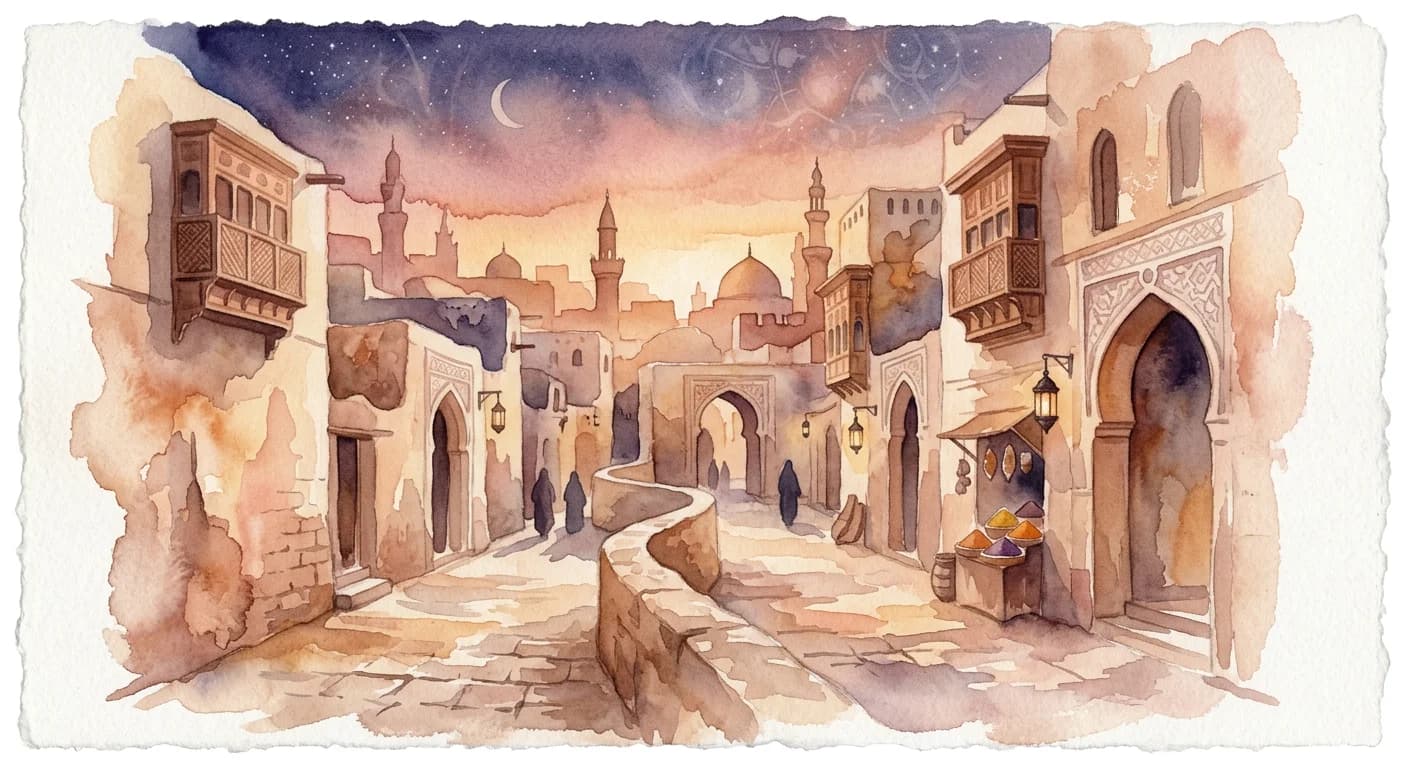
    Artistic representation of Medina
    Arabic•
    🇩🇿Algeria🇧🇭Bahrain🇪🇬Egypt🇮🇶Iraq🇯🇴Jordan🇰🇼Kuwait🇱🇧Lebanon🇲🇦Morocco🇴🇲Oman🇵🇸Palestine🇶🇦Qatar🇸🇦Saudi Arabia🇸🇾Syria🇹🇳Tunisia🇦🇪United Arab Emirates🇾🇪Yemen

    Medina

    /meh-DEE-nah/

    Meaning

    The 'Medina' is the vibrant historical heart of many North African and Middle Eastern cities, a bustling, often walled, urban core where centuries of tradition converge. It's a living tapestry of narrow, winding alleyways, aromatic souks teeming with artisans and merchants, ancient mosques echoing with calls to prayer, and tightly-knit residential quarters. More than just a geographical space, it embodies a deep connection to heritage, community, and a distinctive, organic urbanism that stands in stark contrast to modern city planning.

    Literal Translation

    City

    The Story Behind the Word

    The concept of 'Medina' is deeply rooted in Islamic urbanism, reflecting a worldview where the city is not merely an administrative center but a spiritual and social organism. Historically, the Medina was designed for defense, community cohesion, and efficient commerce within walking distance. Its labyrinthine structure fostered a sense of intimacy and collective identity, where neighbors knew each other and social life revolved around shared spaces like the mosque and souk. This design reflects a preference for human-scale interaction over grand, impersonal boulevards, emphasizing a communal rather than individualistic urban experience. It encapsulates the historical continuity of Arab-Islamic civilization, where ancient traditions are woven into the fabric of daily life.

    Experience It

    Lost in the Souk

    A tourist, fascinated by the scents of spices and calls of vendors, found himself utterly disoriented within the Fes Medina. Every turn presented another archway or bustling stall, a beautiful maze where centuries of commerce had carved its path.

    Evening in the Medina

    As dusk settled, the Medina of Marrakech transformed. Families gathered on rooftops, the aroma of tagine wafted from homes, and the squares came alive with storytellers and musicians, embodying the enduring social pulse of the old city.

    The Deeper Meaning

    The Medina embodies a philosophy of organic growth and communal living, where urban planning prioritizes human interaction, spiritual reflection, and cultural continuity over efficiency or monumentalism. It reflects a worldview where the city is a repository of collective memory, a place where past and present are in constant, tangible dialogue, fostering a deep sense of belonging and shared identity.

    Did You Know?

    The oldest continuously inhabited Medina is arguably that of Damascus, Syria, dating back over 11,000 years, making it one of the world's most ancient urban centers.

    How It's Used

    Used to refer to the historic old city center in many Arab and North African cities, especially those with ancient walls and traditional architecture.

    Emotions
    belonging,nostalgia,warmth,wonder
    Contexts
    celebration,dining,travel,work
    🇩🇿Algeria🇧🇭Bahrain🇪🇬Egypt🇮🇶Iraq🇯🇴Jordan🇰🇼Kuwait🇱🇧Lebanon🇲🇦Morocco🇴🇲Oman🇵🇸Palestine🇶🇦Qatar🇸🇦Saudi Arabia🇸🇾Syria🇹🇳Tunisia🇦🇪United Arab Emirates🇾🇪Yemen

    by Sofia Rossi·Written Mar 14, 2026·Updated Apr 3, 2026

    Related Words

    Explore more
    GezelligDutch

    Gezellig encapsulates a profound sense of warmth, belonging, and convivial comfort, extending beyond mere coziness to embrace the social and emotional atmosphere. It's the feeling of being truly at ease, surrounded by good company, laughter, and a shared sense of contentment. This untranslatable term describes not just a physical space, but a holistic experience where time seems to slow down, fostering genuine connection and a deep sense of well-being.

    SobremesaSpanish

    Sobremesa is the cherished, often extended period immediately following a meal, particularly lunch or dinner, where diners remain seated at the table to enjoy conversation, coffee, and digest not just the food, but the company itself. It’s a dedicated time for unhurried social bonding, storytelling, and shared laughter, transforming a simple meal into a profound communal experience. Far from just clearing the dishes, sobremesa is an integral part of Spanish social life, often lasting for hours.

    UbuntuZulu/Xhosa

    Ubuntu is a profound African philosophy that translates to 'I am because we are,' signifying that an individual's humanity is inextricably linked to the humanity of others. It embodies the belief that our existence and well-being are deeply intertwined with the community. This concept emphasizes compassion, reciprocity, dignity, and the understanding that true fulfillment is found not in isolation, but through collective flourishing and mutual support. It's a call to recognize and affirm the humanity in everyone, fostering a sense of interconnectedness.

    TarofPersian

    Tarof is a deeply ingrained Iranian social custom, a delicate dance of politeness and deference where individuals engage in an elaborate exchange of offers and refusals. It's a performative humility, a way of showing respect and avoiding imposing, often involving multiple cycles of insistence and polite decline before a genuine acceptance or refusal is reached. This intricate ritual governs interactions from sharing food to paying bills, creating a nuanced social ballet.