U.
HomeRegionsLanguagesEmotionsCollections
Find Your Word

“The limits of my language mean the limits of my world.”

— Ludwig Wittgenstein, Philosopher

Untranslatable

A curated collection of the world's most beautiful expressions—words that remind us language is humanity's greatest invention.

  • Home
  • Collections
  • Regions
  • Countries
  • Emotions
  • Tags
  • Contexts
  • Finder
  • Europe
  • Asia
  • Americas
  • Africa
  • Middle East
  • About
  • Contact
  • Privacy Policy
  • Terms of Service

2026 © Untranslatable. All rights reserved.

    /
    /
    1. Home
    2. /
    3. Middle East
    4. /
    5. Mellouki
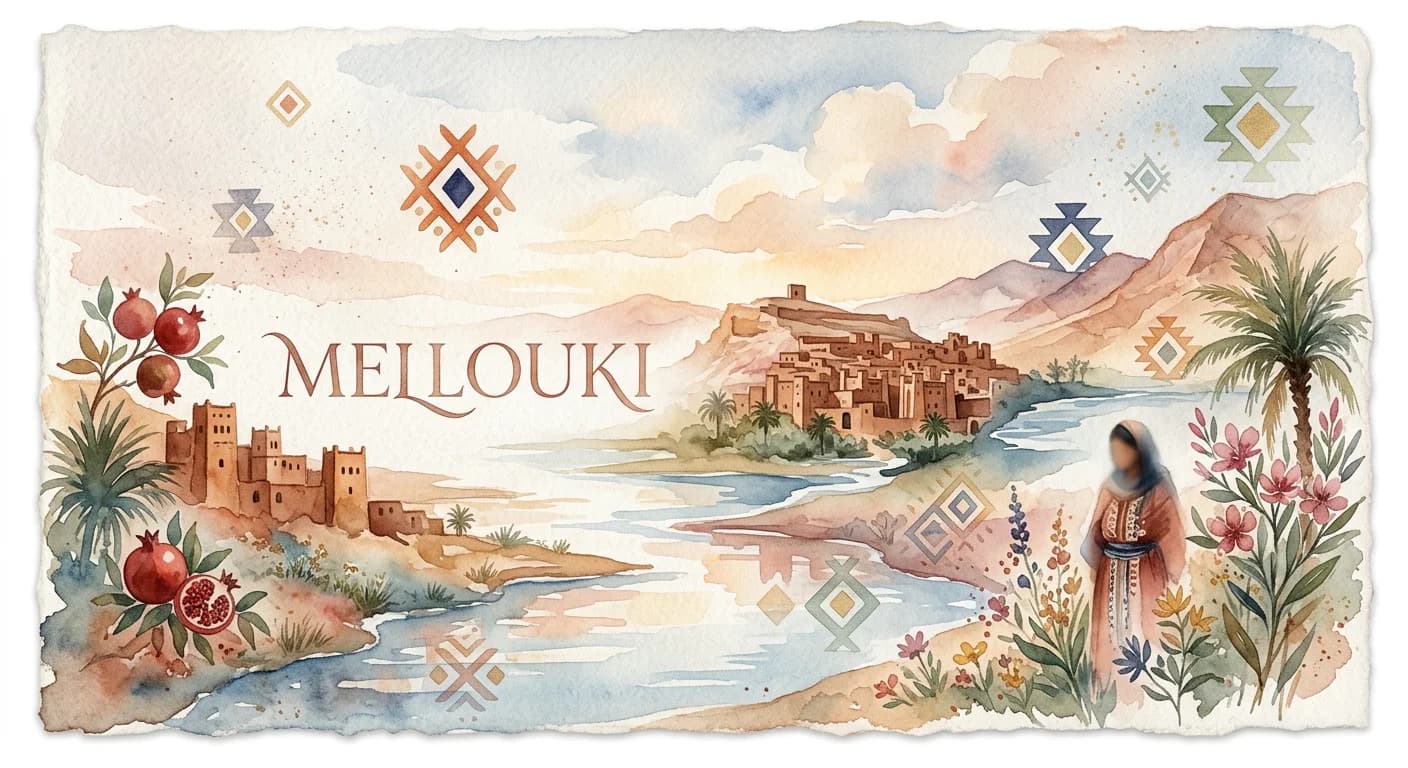
    Artistic representation of Mellouki
    Tamazight•
    🇩🇿Algeria🇱🇾Libya🇲🇱Mali🇲🇦Morocco🇳🇪Niger🇹🇳Tunisia

    Mellouki

    /mel-LOO-kee/

    Meaning

    The term "Mellouki" transcends a mere carpet; it is a woven saga of Amazigh identity, a masterpiece of traditional Berber craftsmanship. These intricate textiles, renowned for their geometric patterns and natural, earthy dyes, are living documents, each knot and color telling tales of fertility, protection, and community lineage. More than floor coverings, Mellouki carpets serve as profound cultural artifacts, visually articulating the history, beliefs, and daily rhythms that have connected generations of the Amazigh people for centuries.

    Literal Translation

    While "Mellouki" refers to the carpet itself, the root words in Tamazight can relate to weaving, patterns, or a specific tribe/region known for this craft.

    The Story Behind the Word

    The existence of "Mellouki" as a specific term for these carpets highlights the profound reverence and cultural embedment of weaving within Amazigh society. These aren't just commodities; they are expressions of an oral tradition rendered tactile, where patterns often serve as a visual lexicon passed down through matriarchal lines. The enduring presence of Mellouki in homes, ceremonies, and even as dowries, reveals a worldview where art, utility, and spirituality are inextricably linked. They embody a philosophy of resilience and connection to the land, with motifs often reflecting mountains, stars, and ancient symbols of protection against malevolent forces. The creation of a Mellouki is a slow, meditative process, mirroring the Amazigh respect for patience, natural cycles, and the enduring power of ancestral knowledge.

    Experience It

    Inheriting a Mellouki

    Amina carefully unrolls the large, folded textile, its rich reds and blues still vibrant after decades. 'This Mellouki was woven by your great-grandmother,' her mother explains, tracing a zig-zag pattern. 'Each symbol tells a story of our family, of the mountains she knew, and the hopes she had for us.'

    The Weaver's Pride

    Fatima adjusts a final loop of wool on her loom, her eyes scanning the complex pattern. This new Mellouki, destined for her daughter's wedding, incorporates ancient motifs alongside a new symbol representing the family's migration. She smiles, knowing it carries not just warmth, but generations of wisdom.

    The Deeper Meaning

    The "Mellouki" embodies a philosophy of holistic existence, where beauty is intertwined with utility and spiritual meaning. It reveals a worldview that values ancestral knowledge, resilience, and the power of symbolic communication. Each carpet is a testament to the idea that life's narrative can be literally woven into the fabric of daily existence, connecting the past, present, and future within a single, tangible object.

    Did You Know?

    Many traditional Mellouki carpets intentionally include a small, almost imperceptible 'flaw' in their perfect patterns. This is believed to be a deliberate act to acknowledge that only Allah can create true perfection.

    How It's Used

    Used to refer to a specific type of traditional Berber carpet, its patterns, and its cultural significance.

    Emotions
    belonging,gratitude,nostalgia
    Contexts
    celebration,dining,family
    🇩🇿Algeria🇱🇾Libya🇲🇱Mali🇲🇦Morocco🇳🇪Niger🇹🇳Tunisia

    by Anya Petrova·Written Mar 14, 2026·Updated Apr 3, 2026

    Related Words

    Explore more
    SobremesaSpanish

    Sobremesa is the cherished, often extended period immediately following a meal, particularly lunch or dinner, where diners remain seated at the table to enjoy conversation, coffee, and digest not just the food, but the company itself. It’s a dedicated time for unhurried social bonding, storytelling, and shared laughter, transforming a simple meal into a profound communal experience. Far from just clearing the dishes, sobremesa is an integral part of Spanish social life, often lasting for hours.

    Pura vidaSpanish

    More than just 'pure life,' "Pura vida" encapsulates a profound philosophy of embracing the present moment with unwavering optimism and gratitude. It's a daily commitment to finding joy in simple pleasures, accepting life's challenges with a positive spirit, and prioritizing well-being over material possessions. This ubiquitous phrase reflects a national identity built on resilience, community, and an deep appreciation for nature's bounty.

    UbuntuZulu/Xhosa

    Ubuntu is a profound African philosophy that translates to 'I am because we are,' signifying that an individual's humanity is inextricably linked to the humanity of others. It embodies the belief that our existence and well-being are deeply intertwined with the community. This concept emphasizes compassion, reciprocity, dignity, and the understanding that true fulfillment is found not in isolation, but through collective flourishing and mutual support. It's a call to recognize and affirm the humanity in everyone, fostering a sense of interconnectedness.

    TarofPersian

    Tarof is a deeply ingrained Iranian social custom, a delicate dance of politeness and deference where individuals engage in an elaborate exchange of offers and refusals. It's a performative humility, a way of showing respect and avoiding imposing, often involving multiple cycles of insistence and polite decline before a genuine acceptance or refusal is reached. This intricate ritual governs interactions from sharing food to paying bills, creating a nuanced social ballet.