U.
HomeRegionsLanguagesEmotionsCollections
Find Your Word

“The limits of my language mean the limits of my world.”

— Ludwig Wittgenstein, Philosopher

Untranslatable

A curated collection of the world's most beautiful expressions—words that remind us language is humanity's greatest invention.

  • Home
  • Collections
  • Regions
  • Countries
  • Emotions
  • Tags
  • Contexts
  • Finder
  • Europe
  • Asia
  • Americas
  • Africa
  • Middle East
  • About
  • Contact
  • Privacy Policy
  • Terms of Service

2026 © Untranslatable. All rights reserved.

    /
    /
    1. Home
    2. /
    3. Europe
    4. /
    5. Tener mala leche
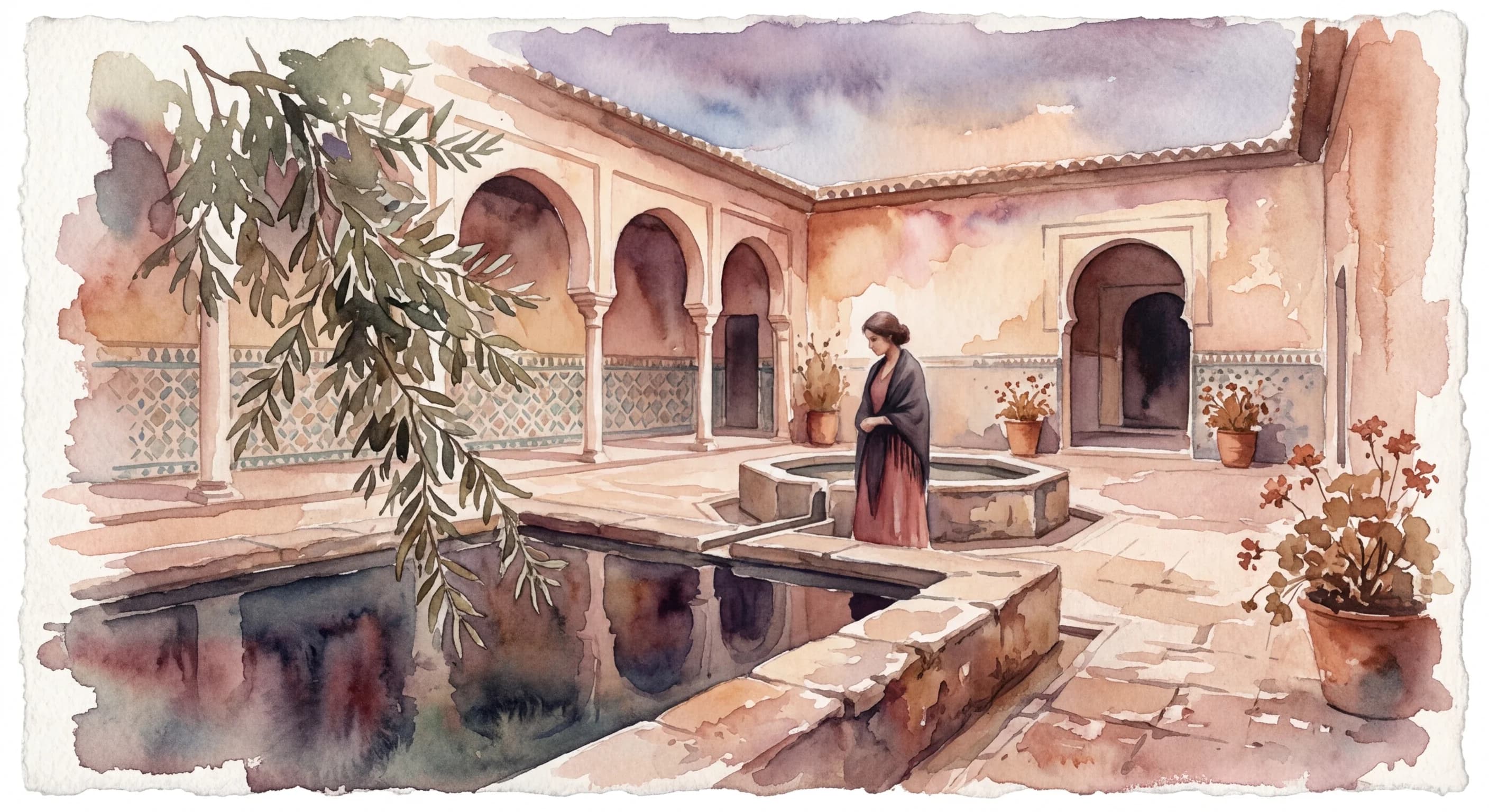
    Artistic representation of Tener mala leche
    Spanish•
    🇦🇷Argentina🇧🇴Bolivia🇨🇱Chile🇨🇴Colombia🇨🇷Costa Rica🇨🇺Cuba🇩🇴Dominican Republic🇪🇨Ecuador🇸🇻El Salvador🇬🇹Guatemala🇭🇳Honduras🇲🇽Mexico🇳🇮Nicaragua🇵🇦Panama🇵🇾Paraguay🇵🇪Peru🇵🇷Puerto Rico🇪🇸Spain🇺🇾Uruguay🇻🇪Venezuela

    Tener mala leche

    /TEH-nehr MAH-lah LEH-cheh/

    Meaning

    This Spanish idiom, literally 'to have bad milk,' describes a deeply ingrained, almost primal negativity or ill will that defines a person's character. It's not merely a fleeting bad mood or anger, but a fundamental disposition towards spite, resentment, or meanness that colors all their interactions and reactions. Such an individual habitually acts with a hostile intent, radiating an unchangeable unpleasantness that seems to stem from their very core, making them perpetually difficult and unkind.

    Literal Translation

    To have bad milk

    The Story Behind the Word

    The phrase 'tener mala leche' likely originates from ancient beliefs connecting bodily fluids, particularly milk (leche), with character and temperament. In many cultures, milk was seen as a vital substance, symbolizing nourishment, purity, and maternal essence. 'Bad milk' would thus imply a corruption of this fundamental life-giving force, suggesting an inherent flaw or sourness within a person's very being. This idiom reveals a cultural understanding that some negative traits are not just learned behaviors but intrinsic qualities, an unchangeable 'bad blood' or 'bad essence' that predisposes an individual to malice. It speaks to a less forgiving view of character, where certain dispositions are seen as fundamental and difficult, if not impossible, to alter, reflecting a pragmatic acceptance of innate human flaws.

    Experience It

    The Grumpy Neighbor

    Every time you greet your neighbor, he responds with a scowl and a sarcastic remark, even on the sunniest days. He never helps anyone and always finds fault. 'Es que tiene mala leche,' your grandmother sighs, explaining his perpetually sour disposition.

    Unjust Criticism

    During a team meeting, one colleague constantly undermines others' ideas with cutting, unconstructive criticism, seemingly enjoying their discomfort. It's not about the project; it's just his nature. 'No le hagas caso, es que tiene muy mala leche,' another colleague whispers, advising you to ignore his inherent nastiness.

    The Deeper Meaning

    This idiom reflects a worldview that acknowledges the existence of innate, unchangeable character flaws. It suggests a philosophical acceptance that some individuals possess a fundamental 'badness' or predisposition towards negativity that is beyond their control or easy remediation. It points to a less optimistic view of human nature, where certain temperaments are seen as fixed, almost predestined, rather than purely a product of environment or choice. It implies a recognition of inherent moral predispositions within individuals.

    Did You Know?

    The phrase's origin may link to ancient humoral theory, where bodily fluids determined temperament. 'Mala leche' could imply a 'sour' disposition, much like spoiled milk.

    How It's Used

    Used to describe someone who is habitually ill-intentioned, spiteful, or has a bad attitude, often without a clear immediate reason. It implies a general meanness of spirit or a predisposition to act with malice.

    Emotions
    anger,melancholy
    Contexts
    family,friendship,work
    🇦🇷Argentina🇧🇴Bolivia🇨🇱Chile🇨🇴Colombia🇨🇷Costa Rica🇨🇺Cuba🇩🇴Dominican Republic🇪🇨Ecuador🇸🇻El Salvador🇬🇹Guatemala🇭🇳Honduras🇲🇽Mexico🇳🇮Nicaragua🇵🇦Panama🇵🇾Paraguay🇵🇪Peru🇵🇷Puerto Rico🇪🇸Spain🇺🇾Uruguay🇻🇪Venezuela

    by Kwame Nkrumah·Written Mar 10, 2026·Updated Apr 3, 2026

    Related Words

    Explore more
    HyggeDanish

    Hygge is more than mere coziness; it's a holistic embrace of comfort, warmth, and belonging that nourishes the soul. It describes the intentional creation of an intimate atmosphere where simple pleasures, genuine connection, and mindful presence converge, fostering a profound sense of contentment and well-being. It's about finding joy and peace in the small, everyday moments, often shared with loved ones.

    SaudadePortuguese

    Saudade encapsulates a profound, melancholic longing for something or someone cherished that is absent, often with the bittersweet knowledge that it may never return. It's a deep emotional state tinged with nostalgia, evoking a sense of loss for past experiences, places, or people, yet also holding a tender appreciation for the beauty of what once was. This yearning is not merely sadness, but a complex tapestry of desire, memory, and a poignant acceptance of absence, holding the beloved in a warm, persistent embrace within the heart.

    GezelligDutch

    Gezellig encapsulates a profound sense of warmth, belonging, and convivial comfort, extending beyond mere coziness to embrace the social and emotional atmosphere. It's the feeling of being truly at ease, surrounded by good company, laughter, and a shared sense of contentment. This untranslatable term describes not just a physical space, but a holistic experience where time seems to slow down, fostering genuine connection and a deep sense of well-being.

    Dolce far nienteItalian

    Dolce far niente captures the profound joy and effortless pleasure derived from simply existing without obligation or purpose. It's the art of savoring moments of pure, unadulterated idleness – lying in the sun, watching the clouds drift, or enjoying a leisurely coffee – not as a break from work, but as a valuable state in itself. This 'sweetness of doing nothing' is a conscious embrace of stillness and contentment, allowing the soul to breathe and the senses to fully engage with the present.