Pizzica
/PEET-see-kah/
Meaning
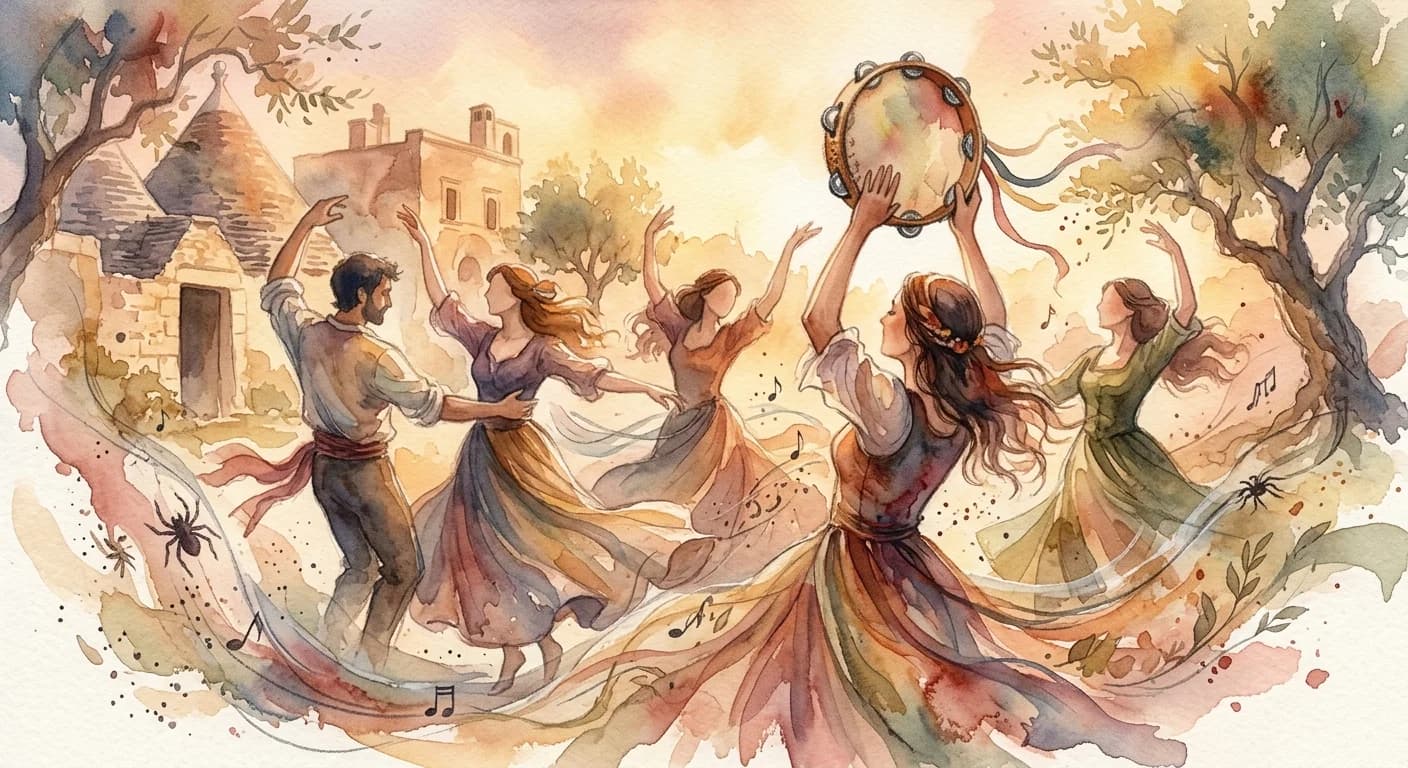
Pizzica pulses as the vibrant, ancient folk dance from Salento, Puglia, Italy, a whirlwind of rapid steps and passionate movements. Accompanied by the hypnotic rhythm of accordions, guitars, and especially the frenetic tambourine, it's a dynamic expression of communal joy and catharsis. Once believed to be a ritualistic cure for the mythical 'tarantula bite,' its energetic performance aims to expel woes and celebrate life with unbridled fervor.
Literal Translation
Pinch (from 'pizzicare' - to pinch)
The Story Behind the Word
The Pizzica is more than just a dance; it is a profound expression of Salentine identity, deeply rooted in the region's agricultural past and its connection to the earth. Its origins as a "cure" for tarantism speak to a historical worldview where physical and psychological ailments were often intertwined with mystical beliefs and communal rituals. The frenzied, trance-like state achieved through the dance wasn't merely entertainment but a culturally sanctioned release, a way to process hardship, grief, and even social oppression. The persistent vitality of Pizzica today reflects the Salentine people's enduring spirit, their resilience, and their deep-seated appreciation for collective celebration, demonstrating a culture that finds healing and strength in shared passion and vibrant tradition.
Experience It
Summer Festival Energy
As dusk fell over the piazza, the first notes of the tambourine pierced the air. Soon, couples were twirling, feet tapping a furious rhythm, their faces alight with joy, completely lost in the infectious energy of the pizzica.
Healing Through Dance
Maria felt a weight lift as she joined the circle, her movements becoming more fluid and intense with each beat. For a few precious moments, the pizzica allowed her to shed her worries, finding a profound sense of release and connection with her community.
The Deeper Meaning
The Pizzica embodies a philosophy of catharsis through collective movement and sound, suggesting that communal expression and uninhibited physical release are vital for psychological and social well-being. It highlights a worldview where joy and sorrow are not merely felt internally but are actively processed and transformed within the energetic embrace of the community.
Did You Know?
Historically, women bitten by a 'tarantula' (often a metaphorical term for psychological distress) would dance the pizzica for days, a ritual called 'tarantismo,' believing it would sweat out the venom.
How It's Used
Used to refer to the folk dance, the music accompanying it, or the style of music itself. It's also used to describe the lively, energetic atmosphere associated with these events.