U.
HomeRegionsLanguagesEmotionsCollections
Find Your Word

“The limits of my language mean the limits of my world.”

— Ludwig Wittgenstein, Philosopher

Untranslatable

A curated collection of the world's most beautiful expressions—words that remind us language is humanity's greatest invention.

  • Home
  • Collections
  • Regions
  • Countries
  • Emotions
  • Tags
  • Contexts
  • Finder
  • Europe
  • Asia
  • Americas
  • Africa
  • Middle East
  • About
  • Contact
  • Privacy Policy
  • Terms of Service

2026 © Untranslatable. All rights reserved.

    /
    /
    1. Home
    2. /
    3. Middle East
    4. /
    5. Ribat
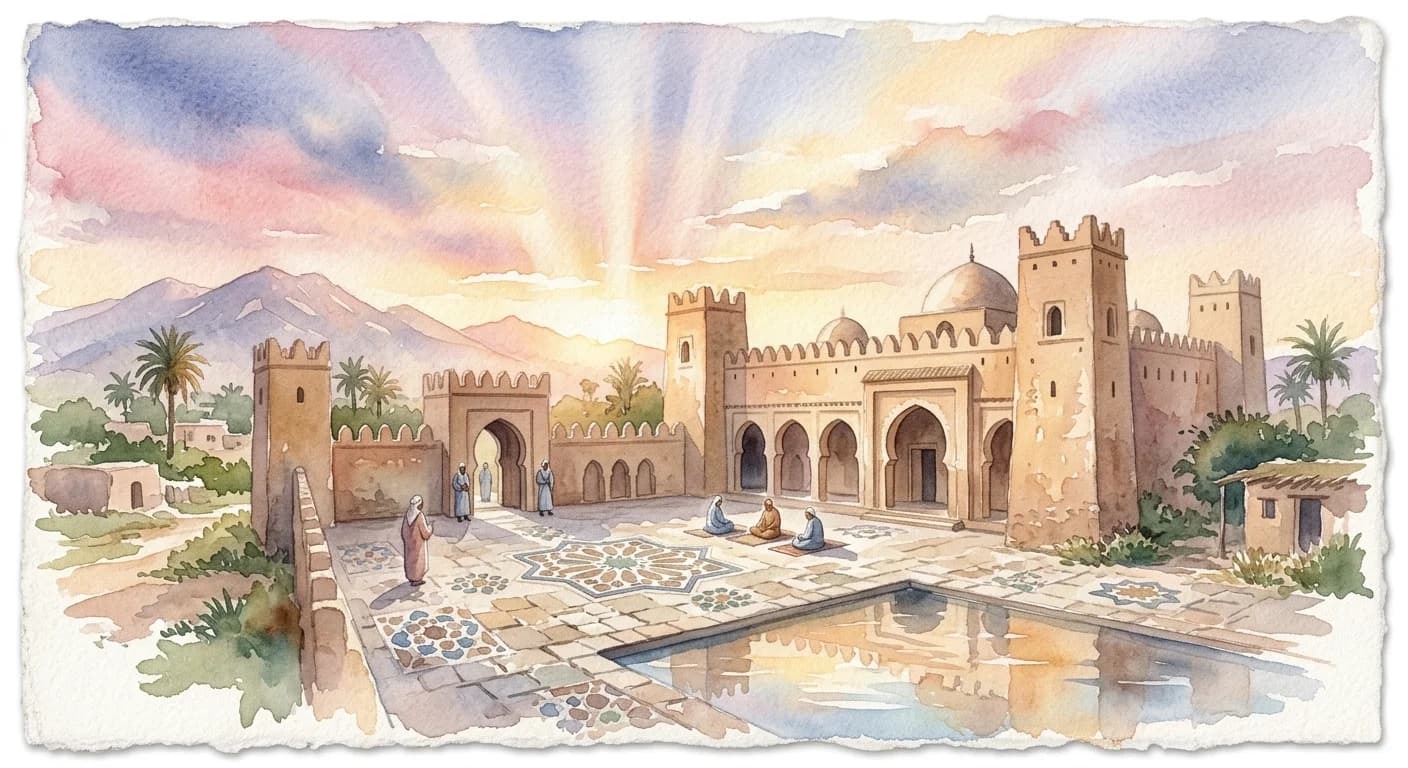
    Artistic representation of Ribat
    Arabic•
    🇩🇿Algeria🇪🇬Egypt🇲🇦Morocco🇸🇦Saudi Arabia🇸🇾Syria🇹🇳Tunisia

    Ribat

    /RI-bat/

    Meaning

    A Ribat is far more than a mere fortress; it's a sanctuary where the spiritual and martial converge, a frontier outpost where devoted individuals stood guard, not just against physical invaders, but also against moral decay. It embodied a profound commitment to defending territory and faith, serving as a beacon of vigilance, piety, and selfless dedication. These fortified monasteries were crucibles of spiritual discipline and military readiness, symbolizing an active, embodied faith deeply intertwined with communal protection and purpose.

    Literal Translation

    Binding, tie, connection, or a fortified place

    The Story Behind the Word

    The concept of Ribat emerged from the early Islamic expansion and the need to protect nascent Muslim territories, particularly along vulnerable frontiers. It reflects a worldview where faith was not passive but actively defended, both spiritually through devotion and physically through military readiness. Many Ribats evolved into centers of Sufi learning and practice, blurring the lines between asceticism, scholarship, and martial prowess. This reveals a cultural understanding that piety and defense are not separate spheres, but integral aspects of a holistic commitment to one's community and beliefs. The Ribat provided a structured environment for individuals to dedicate themselves entirely to a higher cause, fostering a sense of collective purpose and sacrifice that was vital for the survival and flourishing of early Islamic societies.

    Experience It

    Vigil at the Frontier

    At the Ribat perched on the coastal cliffs, an old warrior, his face etched with devotion, scans the horizon. He spends his days in prayer and martial training, a living embodiment of the Ribat's dual purpose, knowing his vigilance protects both land and faith.

    Sufi Retreat

    Within the ancient walls of a desert Ribat, a group of Sufi mystics gather for dhikr, their chants echoing in the stone chambers. They seek spiritual purification and communal strength, their retreat a form of inner defense and a continuation of the Ribat's sacred legacy.

    The Deeper Meaning

    The Ribat encapsulates a philosophy where earthly duty and spiritual devotion are inextricably linked, not as separate obligations but as two facets of a single, purposeful existence. It embodies the idea that true faith demands active engagement in the world, including its defense, and that spiritual discipline strengthens one for both inner and outer battles. This reveals a worldview that values vigilance, community, and the integration of the sacred into every aspect of life, particularly in times of challenge.

    Did You Know?

    Many modern cities in North Africa and Al-Andalus, including Rabat (Morocco's capital), derive their names directly from the Ribat that once formed their nucleus, highlighting their historical significance.

    How It's Used

    Historically used to refer to frontier fortresses or monasteries in Islamic lands, often associated with Sufi orders or military garrisons dedicated to defense or spiritual retreat.

    Emotions
    belonging,gratitude,peace
    Contexts
    solitude,travel,work
    🇩🇿Algeria🇪🇬Egypt🇲🇦Morocco🇸🇦Saudi Arabia🇸🇾Syria🇹🇳Tunisia

    by Sofia Rossi·Written Mar 14, 2026·Updated Apr 3, 2026

    Related Words

    Explore more
    Dolce far nienteItalian

    Dolce far niente captures the profound joy and effortless pleasure derived from simply existing without obligation or purpose. It's the art of savoring moments of pure, unadulterated idleness – lying in the sun, watching the clouds drift, or enjoying a leisurely coffee – not as a break from work, but as a valuable state in itself. This 'sweetness of doing nothing' is a conscious embrace of stillness and contentment, allowing the soul to breathe and the senses to fully engage with the present.

    SobremesaSpanish

    Sobremesa is the cherished, often extended period immediately following a meal, particularly lunch or dinner, where diners remain seated at the table to enjoy conversation, coffee, and digest not just the food, but the company itself. It’s a dedicated time for unhurried social bonding, storytelling, and shared laughter, transforming a simple meal into a profound communal experience. Far from just clearing the dishes, sobremesa is an integral part of Spanish social life, often lasting for hours.

    Pura vidaSpanish

    More than just 'pure life,' "Pura vida" encapsulates a profound philosophy of embracing the present moment with unwavering optimism and gratitude. It's a daily commitment to finding joy in simple pleasures, accepting life's challenges with a positive spirit, and prioritizing well-being over material possessions. This ubiquitous phrase reflects a national identity built on resilience, community, and an deep appreciation for nature's bounty.

    UbuntuZulu/Xhosa

    Ubuntu is a profound African philosophy that translates to 'I am because we are,' signifying that an individual's humanity is inextricably linked to the humanity of others. It embodies the belief that our existence and well-being are deeply intertwined with the community. This concept emphasizes compassion, reciprocity, dignity, and the understanding that true fulfillment is found not in isolation, but through collective flourishing and mutual support. It's a call to recognize and affirm the humanity in everyone, fostering a sense of interconnectedness.