U.
HomeRegionsLanguagesEmotionsCollections
Find Your Word

“The limits of my language mean the limits of my world.”

— Ludwig Wittgenstein, Philosopher

Untranslatable

A curated collection of the world's most beautiful expressions—words that remind us language is humanity's greatest invention.

  • Home
  • Collections
  • Regions
  • Countries
  • Emotions
  • Tags
  • Contexts
  • Finder
  • Europe
  • Asia
  • Americas
  • Africa
  • Middle East
  • About
  • Contact
  • Privacy Policy
  • Terms of Service

2026 © Untranslatable. All rights reserved.

    /
    /
    1. Home
    2. /
    3. Europe
    4. /
    5. Resaca
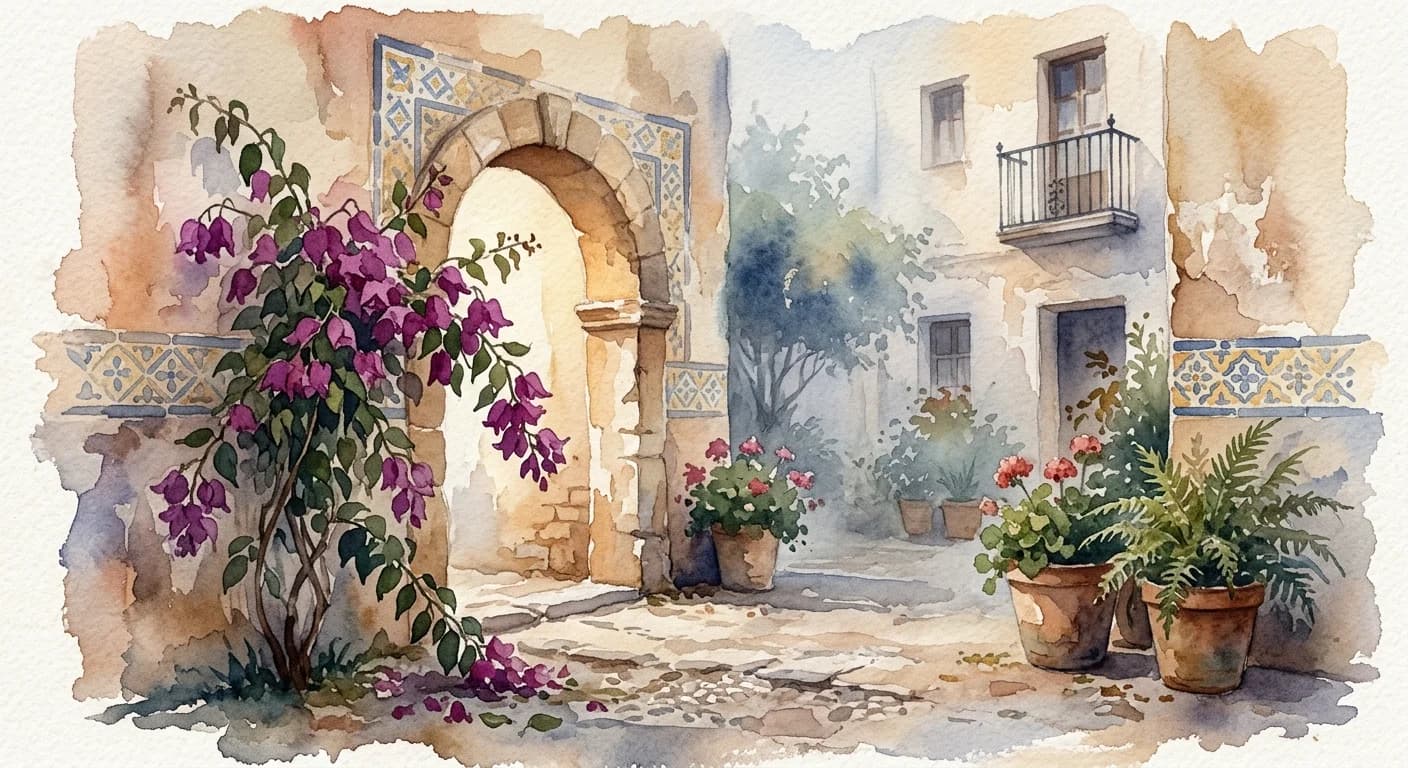
    Artistic representation of Resaca
    Spanish•
    🇦🇷Argentina🇧🇴Bolivia🇨🇱Chile🇨🇴Colombia🇨🇷Costa Rica🇨🇺Cuba🇩🇴Dominican Republic🇪🇨Ecuador🇸🇻El Salvador🇬🇹Guatemala🇭🇳Honduras🇲🇽Mexico🇳🇮Nicaragua🇵🇦Panama🇵🇾Paraguay🇵🇪Peru🇪🇸Spain🇺🇾Uruguay🇻🇪Venezuela

    Resaca

    /reh-SAH-kah/

    Meaning

    Resaca is far more than a simple headache; it's the profound, lingering aftermath of a night of spirited indulgence. It embodies a full-body rebellion, a queasy symphony of fatigue, nausea, and a peculiar mental fog that renders even simple tasks Herculean. This pervasive malaise often carries a subtle undertone of regret, a quiet reckoning with the previous night's abandon, painting the morning-after experience with a distinctly Spanish hue of bittersweet consequence.

    Literal Translation

    Low tide, ebb tide

    The Story Behind the Word

    The very existence of 'resaca' as a distinct, commonly used term speaks volumes about Spanish culture's relationship with celebration and its consequences. Spain, known for its vibrant nightlife, late dinners, and communal revelry, naturally developed a specific vocabulary for the inevitable morning after. The literal meaning, 'low tide' or 'ebb tide,' beautifully captures the feeling of energy draining away, leaving one stranded and depleted. It's an acknowledgment, almost a ritualistic naming, of the price paid for joyous excess. This word isn't just descriptive; it's a shared cultural understanding, a badge of a well-lived (or perhaps over-lived) night, fostering a sense of camaraderie among those experiencing it. It reflects a culture that embraces life's pleasures wholeheartedly, even anticipating the 'low tide' that follows the high.

    Experience It

    Sunday Morning Torment

    After a lively flamenco show and too many tintos, Carlos woke up feeling the full force of a 'resaca'. The sunlight piercing through the blinds felt like daggers, and the thought of breakfast made his stomach churn. He just wanted to pull the covers over his head and disappear.

    Post-Fiesta Blues

    María groaned, clutching her head as she remembered the endless toasts at the town fiesta. 'Tengo una resaca tremenda,' she mumbled to her friend, who simply nodded in understanding, already brewing strong coffee. It was a shared battle against the lingering echoes of celebration.

    The Deeper Meaning

    The concept of 'resaca' subtly reflects a cultural acceptance of cyclical pleasure and pain. It's a recognition that intense highs often lead to inevitable lows, and that this ebb and flow is a natural part of life, particularly social life. There's an implicit understanding that the temporary discomfort is the price, sometimes worth paying, for shared joy and memorable experiences.

    Did You Know?

    The word 'resaca' is also used in a completely different context in Spanish to mean a strong undertow or rip current in the sea, reflecting its literal 'ebb tide' origin.

    How It's Used

    Used colloquially to describe the symptoms experienced after drinking too much alcohol, typically the morning after.

    Emotions
    anxiety,melancholy
    Contexts
    celebration,dining,relaxation
    🇦🇷Argentina🇧🇴Bolivia🇨🇱Chile🇨🇴Colombia🇨🇷Costa Rica🇨🇺Cuba🇩🇴Dominican Republic🇪🇨Ecuador🇸🇻El Salvador🇬🇹Guatemala🇭🇳Honduras🇲🇽Mexico🇳🇮Nicaragua🇵🇦Panama🇵🇾Paraguay🇵🇪Peru🇪🇸Spain🇺🇾Uruguay🇻🇪Venezuela

    by Dr. Kenji Tanaka·Written Mar 14, 2026·Updated Apr 3, 2026

    Related Words

    Explore more
    HyggeDanish

    Hygge is more than mere coziness; it's a holistic embrace of comfort, warmth, and belonging that nourishes the soul. It describes the intentional creation of an intimate atmosphere where simple pleasures, genuine connection, and mindful presence converge, fostering a profound sense of contentment and well-being. It's about finding joy and peace in the small, everyday moments, often shared with loved ones.

    SaudadePortuguese

    Saudade encapsulates a profound, melancholic longing for something or someone cherished that is absent, often with the bittersweet knowledge that it may never return. It's a deep emotional state tinged with nostalgia, evoking a sense of loss for past experiences, places, or people, yet also holding a tender appreciation for the beauty of what once was. This yearning is not merely sadness, but a complex tapestry of desire, memory, and a poignant acceptance of absence, holding the beloved in a warm, persistent embrace within the heart.

    GezelligDutch

    Gezellig encapsulates a profound sense of warmth, belonging, and convivial comfort, extending beyond mere coziness to embrace the social and emotional atmosphere. It's the feeling of being truly at ease, surrounded by good company, laughter, and a shared sense of contentment. This untranslatable term describes not just a physical space, but a holistic experience where time seems to slow down, fostering genuine connection and a deep sense of well-being.

    Dolce far nienteItalian

    Dolce far niente captures the profound joy and effortless pleasure derived from simply existing without obligation or purpose. It's the art of savoring moments of pure, unadulterated idleness – lying in the sun, watching the clouds drift, or enjoying a leisurely coffee – not as a break from work, but as a valuable state in itself. This 'sweetness of doing nothing' is a conscious embrace of stillness and contentment, allowing the soul to breathe and the senses to fully engage with the present.