U.
HomeRegionsLanguagesEmotionsCollections
Find Your Word

“The limits of my language mean the limits of my world.”

— Ludwig Wittgenstein, Philosopher

Untranslatable

A curated collection of the world's most beautiful expressions—words that remind us language is humanity's greatest invention.

  • Home
  • Collections
  • Regions
  • Countries
  • Emotions
  • Tags
  • Contexts
  • Finder
  • Europe
  • Asia
  • Americas
  • Africa
  • Middle East
  • About
  • Contact
  • Privacy Policy
  • Terms of Service

2026 © Untranslatable. All rights reserved.

    /
    /
    1. Home
    2. /
    3. Asia
    4. /
    5. Sakura
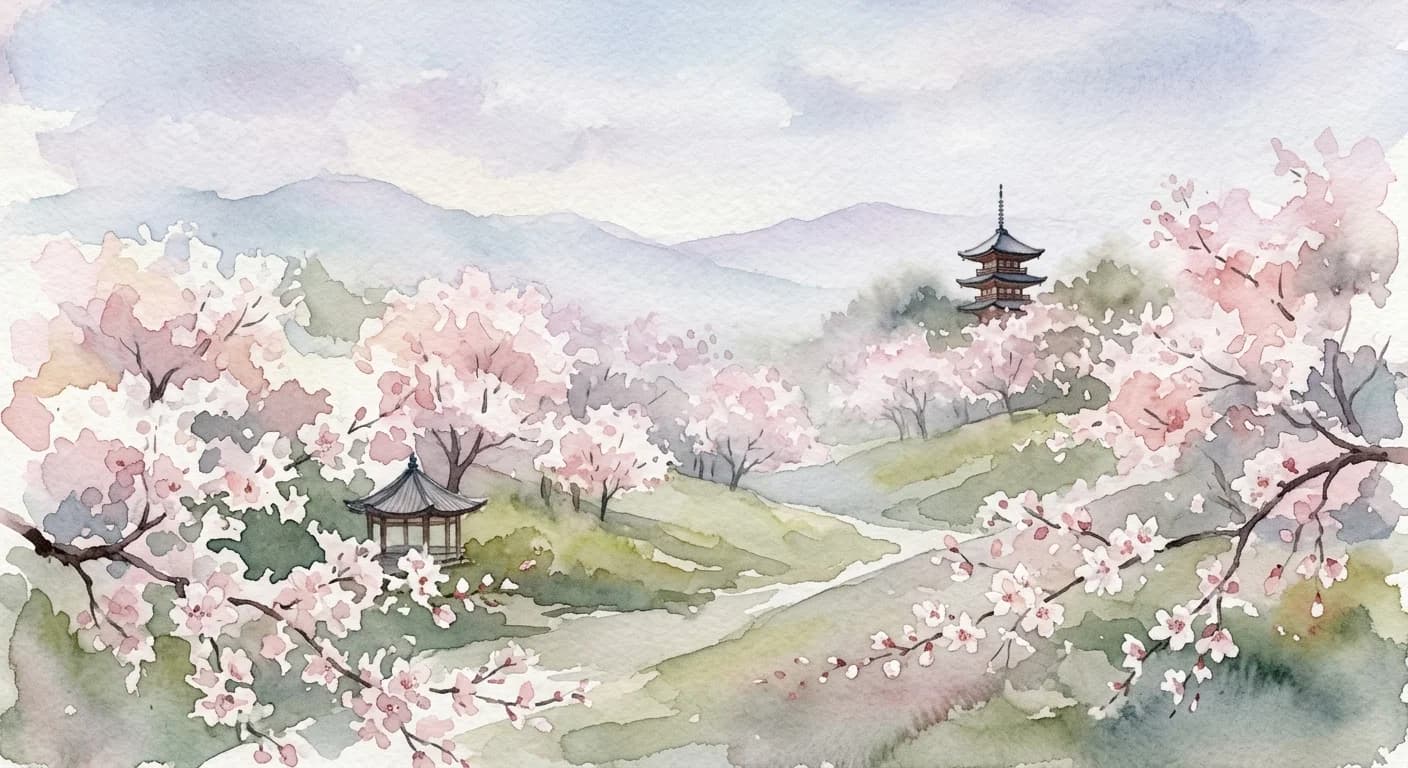
    Artistic representation of Sakura
    Japanese•
    🇯🇵Japan

    Sakura

    /SAH-koo-rah/

    Meaning

    Sakura, the iconic cherry blossom, transcends its botanical definition in Japan to embody the profound beauty and inherent transience of life itself. Its delicate petals, unfurling in a breathtaking, synchronized blush across the landscape, signal both renewal and the poignant inevitability of decay. This fleeting spectacle, lasting only a week or two, serves as a powerful, gentle reminder to savor every exquisite moment and embrace the bittersweet cycle of existence, deeply embedding itself into the Japanese aesthetic of mono no aware.

    Literal Translation

    Cherry blossom

    The Story Behind the Word

    The reverence for sakura is deeply rooted in Japan's history, intertwining with Shinto animism, which perceives divinity in nature, and later with Buddhist principles of impermanence (mujō). From the Heian aristocracy's poetic appreciation (hanami) to the samurai's embrace of a beautiful, yet brief, life mirroring the blossom's quick fall, sakura has consistently symbolized ideals of purity, sacrifice, and the acceptance of fate. It reflects a worldview that finds profound beauty not despite, but because of, life's ephemeral nature, encouraging a melancholic yet appreciative gaze upon the world. The annual blooming is not just a seasonal event but a national moment of collective contemplation and celebration, revealing a culture attuned to the subtle rhythms of nature and the profound lessons they impart.

    Experience It

    Hanami Picnic

    Under a canopy of soft pink petals, a family spreads a blue sheet, their laughter mingling with the gentle rustle of the breeze. They share bento boxes and sake, gazing up at the 'sakura' that will soon fall, cherishing this fleeting moment of collective joy and beauty.

    Artist's Inspiration

    A painter sits by a river, his brush poised, capturing the ethereal glow of 'sakura' reflected on the water's surface. He knows the blossoms will vanish quickly, so he works with an urgent, focused intensity, seeking to immortalize their transient splendor on his canvas.

    The Deeper Meaning

    Sakura encapsulates 'mono no aware' – the gentle melancholy and poignant appreciation of the beauty in impermanence. It underscores a worldview that finds deep meaning in the ephemeral, prompting introspection on life's brevity and encouraging a profound, yet wistful, gratitude for every passing moment. This acceptance of transience is not resignation, but a heightened sensitivity to beauty.

    Did You Know?

    During World War II, 'sakura' was tragically used as propaganda, encouraging kamikaze pilots to view their lives as beautiful, fleeting blossoms falling for the emperor, adding a darker historical layer to its symbolism.

    How It's Used

    The term 'Sakura' is used to refer to cherry blossoms, especially during their blooming season in spring. It's also commonly used in art, literature, and everyday conversation to evoke the beauty and transience associated with this time of year. Many festivals and events are centered around 'Sakura' viewing (hanami).

    Emotions
    bittersweet,melancholy,peace,wonder
    Contexts
    celebration,farewell,nature,seasons
    🇯🇵Japan

    by Annelise Dubois·Written Mar 14, 2026·Updated Apr 3, 2026

    Related Words

    Explore more
    SaudadePortuguese

    Saudade encapsulates a profound, melancholic longing for something or someone cherished that is absent, often with the bittersweet knowledge that it may never return. It's a deep emotional state tinged with nostalgia, evoking a sense of loss for past experiences, places, or people, yet also holding a tender appreciation for the beauty of what once was. This yearning is not merely sadness, but a complex tapestry of desire, memory, and a poignant acceptance of absence, holding the beloved in a warm, persistent embrace within the heart.

    Dolce far nienteItalian

    Dolce far niente captures the profound joy and effortless pleasure derived from simply existing without obligation or purpose. It's the art of savoring moments of pure, unadulterated idleness – lying in the sun, watching the clouds drift, or enjoying a leisurely coffee – not as a break from work, but as a valuable state in itself. This 'sweetness of doing nothing' is a conscious embrace of stillness and contentment, allowing the soul to breathe and the senses to fully engage with the present.

    Wabi-sabiJapanese

    Wabi-sabi is the profound appreciation for the ephemeral, the imperfect, and the incomplete aspects of existence. It is about discovering beauty in the subtle textures of age, the unique character of flaws, and the gentle decay that marks the passage of time. This philosophy encourages a quiet acceptance of impermanence and a mindful connection to the natural world, finding elegance in simplicity and authenticity.

    IkigaiJapanese

    Ikigai is more than just a reason to get out of bed; it's a deeply personal and evolving sense of purpose that brings genuine fulfillment and joy to one's life. It represents the sweet spot where your passions, talents, needs of the world, and what you can be paid for beautifully converge. Discovering your ikigai often leads to a life lived with intentionality, resilience, and a profound connection to one's contributions. It's the intrinsic motivation that fuels a meaningful existence, regardless of external circumstances.