U.
HomeRegionsLanguagesEmotionsCollections
Find Your Word

“The limits of my language mean the limits of my world.”

— Ludwig Wittgenstein, Philosopher

Untranslatable

A curated collection of the world's most beautiful expressions—words that remind us language is humanity's greatest invention.

  • Home
  • Collections
  • Regions
  • Countries
  • Emotions
  • Tags
  • Contexts
  • Finder
  • Europe
  • Asia
  • Americas
  • Africa
  • Middle East
  • About
  • Contact
  • Privacy Policy
  • Terms of Service

2026 © Untranslatable. All rights reserved.

    /
    /
    1. Home
    2. /
    3. Europe
    4. /
    5. Seiðr
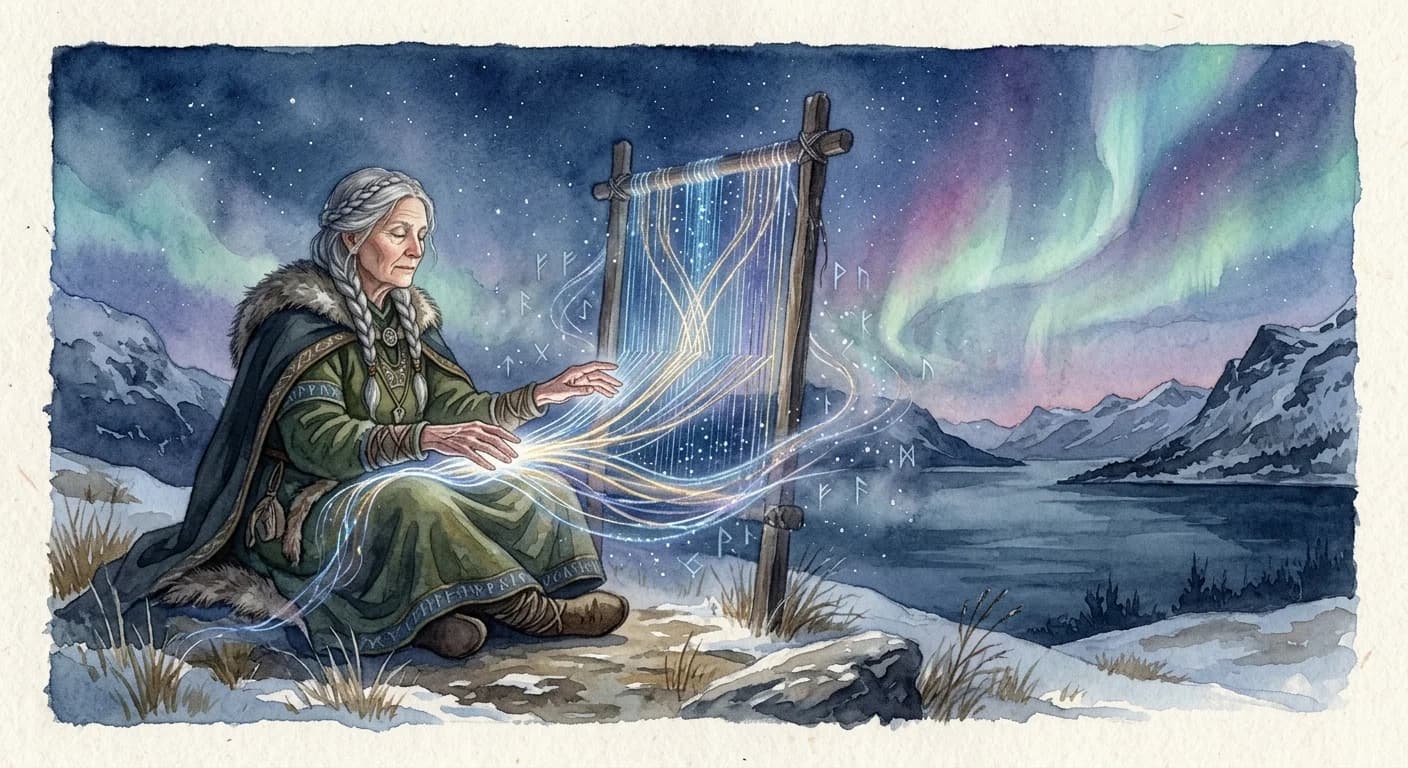
    Artistic representation of Seiðr
    Old Norse•
    🇩🇰Denmark🇮🇸Iceland🇳🇴Norway🇸🇪Sweden

    Seiðr

    /SAY-thur/

    Meaning

    Seiðr transcends mere 'magic,' representing a profound Norse shamanistic practice focused on fate manipulation and prophecy. It was a potent art, often associated with the Völva, a revered seeress who could journey to other realms to gather knowledge and influence destinies. This intricate skill involved 'binding' or 'tying' the threads of fate, affecting both individuals and communities within the cosmic web of existence. It was a powerful, often feared, connection to the unseen forces governing the Viking world.

    Literal Translation

    To bind, to tie

    The Story Behind the Word

    The existence of seiðr reveals a Norse worldview where destiny was not entirely fixed but could be influenced through powerful, esoteric means. It reflects a society deeply intertwined with the spiritual, where the line between the mundane and the magical was fluid. Seiðr practitioners, particularly Völur, held significant sway, acting as conduits between worlds, offering counsel, and sometimes even altering the course of battles or harvests. The practice often involved trance states, ritualistic songs (galðrar), and specialized tools, suggesting a complex spiritual technology. The 'binding' aspect speaks to a belief in interconnectedness, where one could 'tie' or 'untie' aspects of fate, revealing a sophisticated understanding of causality and influence within their cosmos. It was a core element of their religion and social structure, embodying both awe and apprehension.

    Experience It

    A Völva's Prophecy

    Before the longship embarked for distant shores, the chieftain sought the Völva. In a trance, eyes glazed, she chanted ancient verses, her voice weaving through the smoke until she foretold a difficult journey but a triumphant return, binding their courage against the unknown.

    Binding the Harvest

    When the crops withered early, the farmers turned to a seiðkona. She performed a ritual under the full moon, her hands moving as if weaving invisible threads, attempting to mend the land's fortune and tie prosperity back to their fields, hoping to avert famine.

    The Deeper Meaning

    Seiðr reveals a Norse philosophy where fate, while potent, was not absolute. It suggests a world where agency existed even within a predetermined cosmic order, allowing skilled practitioners to subtly manipulate the threads of destiny. This implies a dynamic universe, responsive to ritual and will, where humans could actively participate in shaping their present and future, highlighting a profound belief in the power of spiritual intervention.

    Did You Know?

    While often associated with women, historical and archaeological evidence suggests some men, known as seiðmenn, also practiced seiðr, though it was considered somewhat effeminate and transgressive for them.

    How It's Used

    Used in historical and cultural contexts when discussing Norse mythology, religion, and magic, particularly referring to a specific form of shamanistic sorcery.

    Emotions
    serenity,wonder
    Contexts
    nature,seasons,solitude
    🇩🇰Denmark🇮🇸Iceland🇳🇴Norway🇸🇪Sweden

    by Anya Petrova·Written Mar 14, 2026·Updated Apr 3, 2026

    Related Words

    Explore more
    HyggeDanish

    Hygge is more than mere coziness; it's a holistic embrace of comfort, warmth, and belonging that nourishes the soul. It describes the intentional creation of an intimate atmosphere where simple pleasures, genuine connection, and mindful presence converge, fostering a profound sense of contentment and well-being. It's about finding joy and peace in the small, everyday moments, often shared with loved ones.

    SaudadePortuguese

    Saudade encapsulates a profound, melancholic longing for something or someone cherished that is absent, often with the bittersweet knowledge that it may never return. It's a deep emotional state tinged with nostalgia, evoking a sense of loss for past experiences, places, or people, yet also holding a tender appreciation for the beauty of what once was. This yearning is not merely sadness, but a complex tapestry of desire, memory, and a poignant acceptance of absence, holding the beloved in a warm, persistent embrace within the heart.

    GezelligDutch

    Gezellig encapsulates a profound sense of warmth, belonging, and convivial comfort, extending beyond mere coziness to embrace the social and emotional atmosphere. It's the feeling of being truly at ease, surrounded by good company, laughter, and a shared sense of contentment. This untranslatable term describes not just a physical space, but a holistic experience where time seems to slow down, fostering genuine connection and a deep sense of well-being.

    Dolce far nienteItalian

    Dolce far niente captures the profound joy and effortless pleasure derived from simply existing without obligation or purpose. It's the art of savoring moments of pure, unadulterated idleness – lying in the sun, watching the clouds drift, or enjoying a leisurely coffee – not as a break from work, but as a valuable state in itself. This 'sweetness of doing nothing' is a conscious embrace of stillness and contentment, allowing the soul to breathe and the senses to fully engage with the present.