U.
HomeRegionsLanguagesEmotionsCollections
Find Your Word

“The limits of my language mean the limits of my world.”

— Ludwig Wittgenstein, Philosopher

Untranslatable

A curated collection of the world's most beautiful expressions—words that remind us language is humanity's greatest invention.

  • Home
  • Collections
  • Regions
  • Countries
  • Emotions
  • Tags
  • Contexts
  • Finder
  • Europe
  • Asia
  • Americas
  • Africa
  • Middle East
  • About
  • Contact
  • Privacy Policy
  • Terms of Service

2026 © Untranslatable. All rights reserved.

    /
    /
    1. Home
    2. /
    3. Asia
    4. /
    5. Senpai
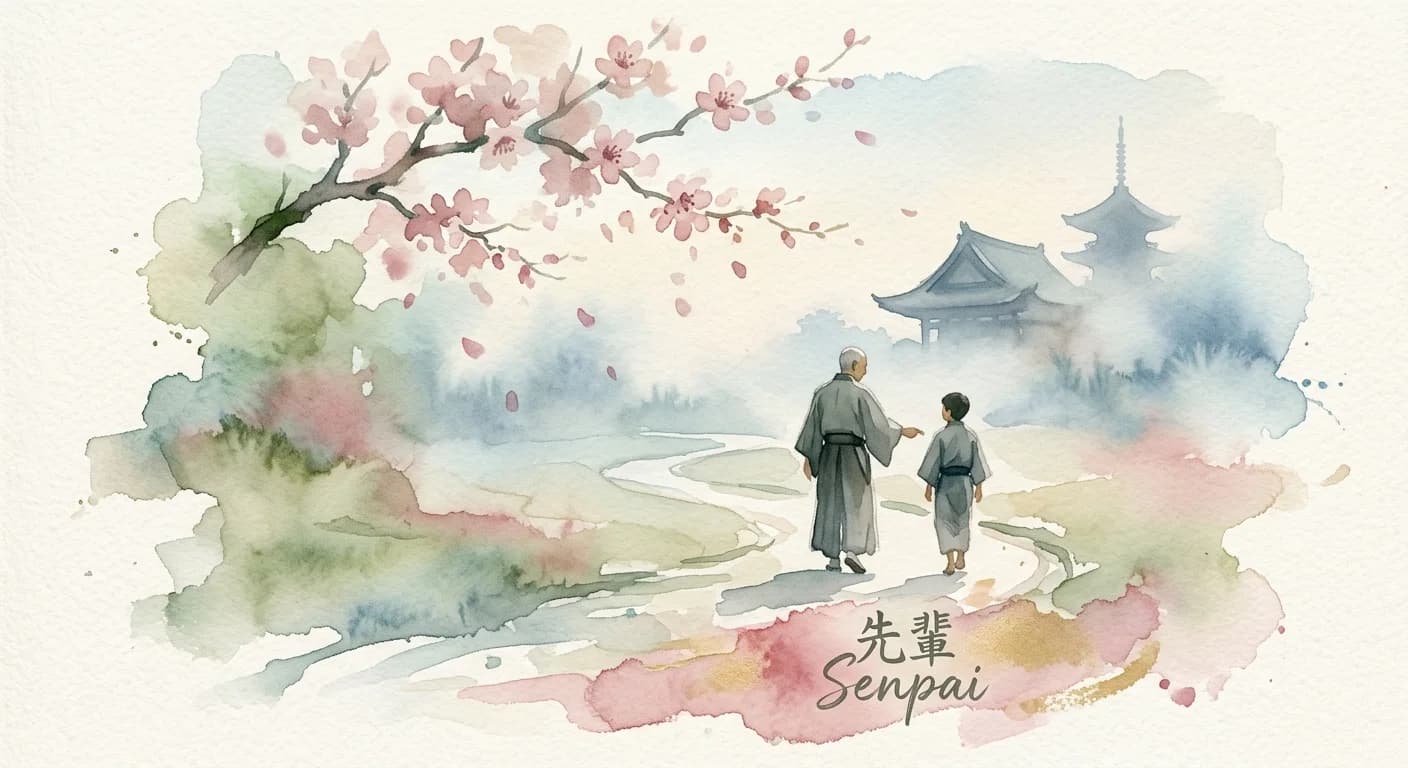
    Artistic representation of Senpai
    Japanese•
    🇯🇵Japan

    Senpai

    /SEN-pie/

    Meaning

    Senpai transcends a simple 'senior' title; it encapsulates a profound interpersonal dynamic rooted in respect, experience, and an implicit mentorship. It signifies an individual who has walked the path before you, possessing a wisdom and understanding gained through time and effort. The relationship is a cornerstone of Japanese social fabric, fostering a sense of belonging, guidance, and reciprocal obligation where the senpai inspires and the kohai (junior) learns and defers, creating a harmonious hierarchy.

    Literal Translation

    predecessor, antecedent, senior

    The Story Behind the Word

    The concept of 'senpai' is deeply intertwined with Japan's historical emphasis on hierarchical social structures, Confucian ethics, and the value placed on experience and seniority. From traditional apprenticeship systems (shokunin) to the strict grading in martial arts (dojo), the transfer of knowledge from an experienced elder to a novice has been fundamental. This system fosters not just skill transfer, but also character development and social cohesion. It reflects a worldview where individual achievement is often contextualized within a group, and where respect for those who came before is paramount for maintaining order and continuity. The senpai-kohai dynamic reinforces the idea that wisdom accumulates with time and that societal harmony thrives on clear roles and mutual respect.

    Experience It

    Club Activity Guidance

    During high school kendo practice, a new student, Kenji, struggles with his form. His senpai, Akari, patiently demonstrates the correct stance, offering encouraging words and subtle adjustments. Kenji bows deeply, expressing gratitude for her guidance, understanding that Akari's experience is invaluable.

    Workplace Mentorship

    In a bustling Tokyo office, a new hire, Hiroshi, is overwhelmed by a complex project. His team leader, Ms. Tanaka, whom he respectfully addresses as Tanaka-senpai, takes him aside. She shares insights from her own past challenges and helps him strategize, demonstrating the supportive aspect of the senpai role.

    The Deeper Meaning

    Senpai embodies a philosophy of reciprocal responsibility within a hierarchical framework. It suggests that those with more experience have an inherent duty to nurture and guide their juniors, while juniors owe respect and diligence to their seniors. This dynamic underpins a societal value placed on continuity, collective progress, and the harmonious integration of individuals into a larger group, rather than purely individualistic advancement.

    Did You Know?

    While often associated with schools, the senpai-kohai dynamic extends into virtually every Japanese social sphere, from sports teams and corporate offices to even casual hobby groups.

    How It's Used

    Used in Japan to address or refer to an upperclassman, a senior colleague, or anyone with more experience in a particular field, often accompanied by a sense of admiration or respect. It's commonly used in schools, clubs, and professional settings.

    Emotions
    belonging,gratitude
    Contexts
    daily life,education,friendship,work
    🇯🇵Japan

    by Dr. Kenji Tanaka·Written Mar 14, 2026·Updated Apr 3, 2026

    Related Words

    Explore more
    SobremesaSpanish

    Sobremesa is the cherished, often extended period immediately following a meal, particularly lunch or dinner, where diners remain seated at the table to enjoy conversation, coffee, and digest not just the food, but the company itself. It’s a dedicated time for unhurried social bonding, storytelling, and shared laughter, transforming a simple meal into a profound communal experience. Far from just clearing the dishes, sobremesa is an integral part of Spanish social life, often lasting for hours.

    Wabi-sabiJapanese

    Wabi-sabi is the profound appreciation for the ephemeral, the imperfect, and the incomplete aspects of existence. It is about discovering beauty in the subtle textures of age, the unique character of flaws, and the gentle decay that marks the passage of time. This philosophy encourages a quiet acceptance of impermanence and a mindful connection to the natural world, finding elegance in simplicity and authenticity.

    IkigaiJapanese

    Ikigai is more than just a reason to get out of bed; it's a deeply personal and evolving sense of purpose that brings genuine fulfillment and joy to one's life. It represents the sweet spot where your passions, talents, needs of the world, and what you can be paid for beautifully converge. Discovering your ikigai often leads to a life lived with intentionality, resilience, and a profound connection to one's contributions. It's the intrinsic motivation that fuels a meaningful existence, regardless of external circumstances.

    NunchiKorean

    Nunchi is the sophisticated, almost telepathic, ability to instantly grasp the unspoken dynamics of any social situation, anticipating others' thoughts and feelings, and then responding with impeccable grace and timing. It's an acute form of social intuition, allowing one to navigate complex interpersonal landscapes by reading subtle cues like body language, tone, and context. Possessing good nunchi means effortlessly understanding the underlying emotional currents and adjusting one's behavior to maintain harmony and effectiveness, often without a single word exchanged.