U.
HomeRegionsLanguagesEmotionsCollections
Find Your Word

“The limits of my language mean the limits of my world.”

— Ludwig Wittgenstein, Philosopher

Untranslatable

A curated collection of the world's most beautiful expressions—words that remind us language is humanity's greatest invention.

  • Home
  • Collections
  • Regions
  • Countries
  • Emotions
  • Tags
  • Contexts
  • Finder
  • Europe
  • Asia
  • Americas
  • Africa
  • Middle East
  • About
  • Contact
  • Privacy Policy
  • Terms of Service

2026 © Untranslatable. All rights reserved.

    /
    /
    1. Home
    2. /
    3. Africa
    4. /
    5. Shuni
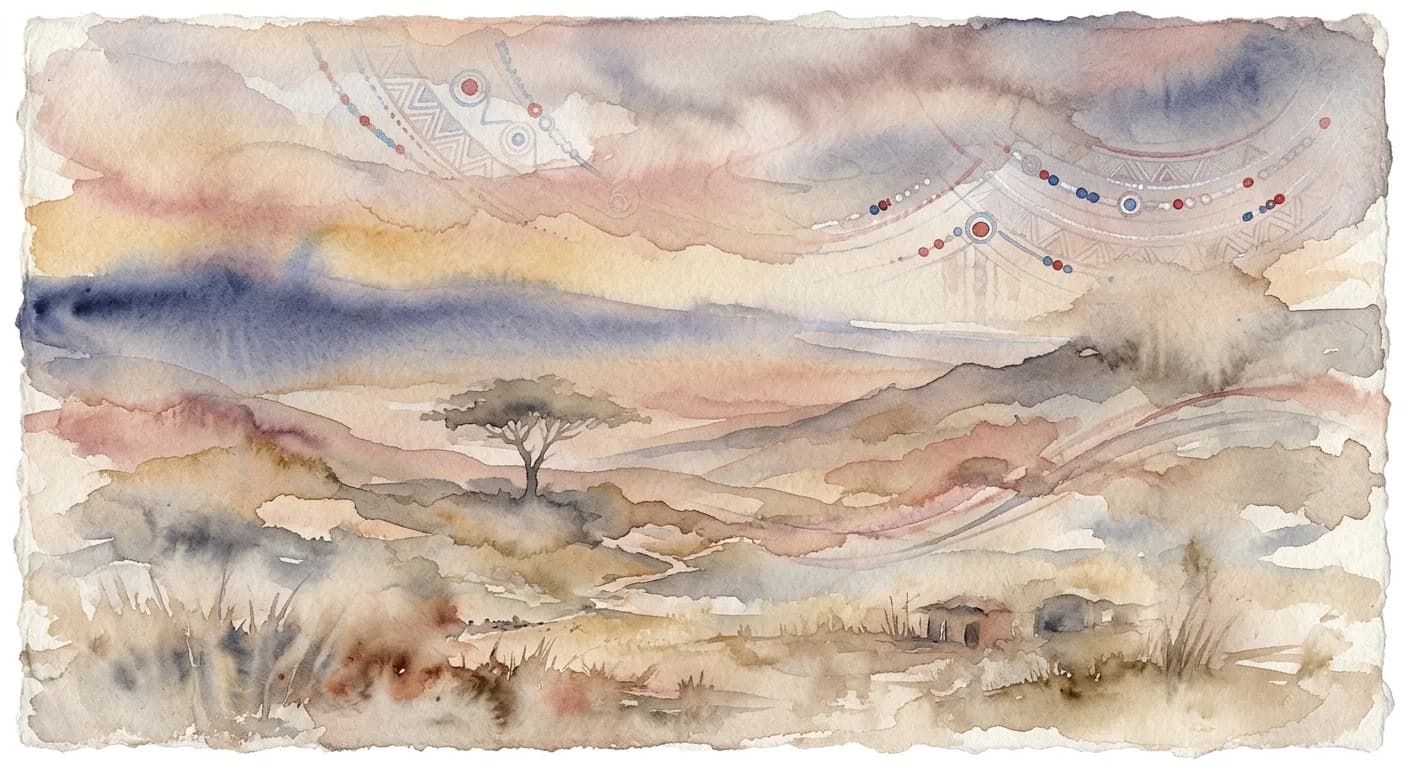
    Artistic representation of Shuni
    Swahili•
    🇰🇪Kenya🇹🇿Tanzania

    Shuni

    /SHOO-nee/

    Meaning

    Shuni describes a profound, often melancholic, yearning for a home or place that feels distant, perhaps even irretrievably altered by time or circumstance. It transcends simple homesickness, embodying a deep emotional resonance for familiarity, community, and the comforting embrace of one's origins. This powerful sentiment is frequently triggered by sensory memories – a particular scent, a melody, or a familiar taste – that evoke a vivid connection to a cherished past or a distant homeland, highlighting a bittersweet awareness of displacement and the enduring pull of roots.

    Literal Translation

    The literal meaning is often context-dependent, but it broadly encompasses a sense of 'home' or 'place' coupled with a strong emotional attachment.

    The Story Behind the Word

    In Swahili culture, deeply rooted in communal living and strong family ties (jamaa), 'shuni' emerges from a world where one's identity is inextricably linked to their place of origin and their community. The transient nature of life, historical migrations, and the modern experience of urbanization or seeking opportunities far from ancestral lands have amplified this feeling. It reflects a worldview where the physical home is a spiritual anchor, a repository of shared history, ancestral spirits, and collective memory. Losing touch with this 'home' is not just a geographical separation but a rupture in one's sense of self and belonging, making 'shuni' a vital descriptor for this profound existential longing. It acknowledges the emotional cost of progress and separation, valuing the intangible comfort of belonging above all else.

    Experience It

    Diaspora's Lingering Ache

    Mama Zawadi, living in London for decades, caught a whiff of star anise from a spice shop. Immediately, a powerful 'shuni' washed over her, transporting her to her childhood kitchen in Dar es Salaam, filled with the aroma of her mother's chai and the chatter of her siblings.

    Village in Memory

    After his village was displaced by a dam, Juma would often sit by the new lake, gazing at the distant hills. He felt a deep 'shuni' for the rhythms of life that were, the familiar faces, and the ancestral trees now submerged beneath the water, a world lost but vividly remembered.

    The Deeper Meaning

    'Shuni' underscores a profound indigenous philosophy that views identity as intrinsically linked to place and ancestral heritage, rather than solely individualistic achievement. It suggests that true well-being is deeply intertwined with belonging to a community and a specific land, highlighting the human need for roots and the emotional toll of their disruption. It's a testament to the enduring power of memory and the spiritual connection to one's origins.

    Did You Know?

    While 'shuni' is often associated with physical distance, it can also describe the longing for a past 'home' that no longer exists due to societal changes, even if one remains in the same geographical location.

    How It's Used

    Used to express a deep feeling of homesickness or longing for one's native land or a place of belonging, often accompanied by memories or sensory triggers.

    Emotions
    belonging,longing,melancholy,nostalgia
    Contexts
    family,farewell,seasons,travel
    🇰🇪Kenya🇹🇿Tanzania

    by Kwame Nkrumah·Written Mar 14, 2026·Updated Apr 3, 2026

    Related Words

    Explore more
    SaudadePortuguese

    Saudade encapsulates a profound, melancholic longing for something or someone cherished that is absent, often with the bittersweet knowledge that it may never return. It's a deep emotional state tinged with nostalgia, evoking a sense of loss for past experiences, places, or people, yet also holding a tender appreciation for the beauty of what once was. This yearning is not merely sadness, but a complex tapestry of desire, memory, and a poignant acceptance of absence, holding the beloved in a warm, persistent embrace within the heart.

    SobremesaSpanish

    Sobremesa is the cherished, often extended period immediately following a meal, particularly lunch or dinner, where diners remain seated at the table to enjoy conversation, coffee, and digest not just the food, but the company itself. It’s a dedicated time for unhurried social bonding, storytelling, and shared laughter, transforming a simple meal into a profound communal experience. Far from just clearing the dishes, sobremesa is an integral part of Spanish social life, often lasting for hours.

    MamihlapinatapaiYaghan

    Mamihlapinatapai encapsulates that profound, unspoken moment when two individuals lock eyes, each silently acknowledging a mutual desire or intention, yet both hesitate to be the first to act upon it. It's a delicate dance of anticipation, a shared gaze brimming with common understanding and a quiet longing for the other to break the ice. This intricate look carries the weight of a shared, uninitiated potential, a silent conversation where both parties are perfectly aware of what could happen, but neither makes the first move.

    UbuntuZulu/Xhosa

    Ubuntu is a profound African philosophy that translates to 'I am because we are,' signifying that an individual's humanity is inextricably linked to the humanity of others. It embodies the belief that our existence and well-being are deeply intertwined with the community. This concept emphasizes compassion, reciprocity, dignity, and the understanding that true fulfillment is found not in isolation, but through collective flourishing and mutual support. It's a call to recognize and affirm the humanity in everyone, fostering a sense of interconnectedness.