U.
HomeRegionsLanguagesEmotionsCollections
Find Your Word

“The limits of my language mean the limits of my world.”

— Ludwig Wittgenstein, Philosopher

Untranslatable

A curated collection of the world's most beautiful expressions—words that remind us language is humanity's greatest invention.

  • Home
  • Collections
  • Regions
  • Countries
  • Emotions
  • Tags
  • Contexts
  • Finder
  • Europe
  • Asia
  • Americas
  • Africa
  • Middle East
  • About
  • Contact
  • Privacy Policy
  • Terms of Service

2026 © Untranslatable. All rights reserved.

    /
    /
    1. Home
    2. /
    3. Asia
    4. /
    5. Wahine
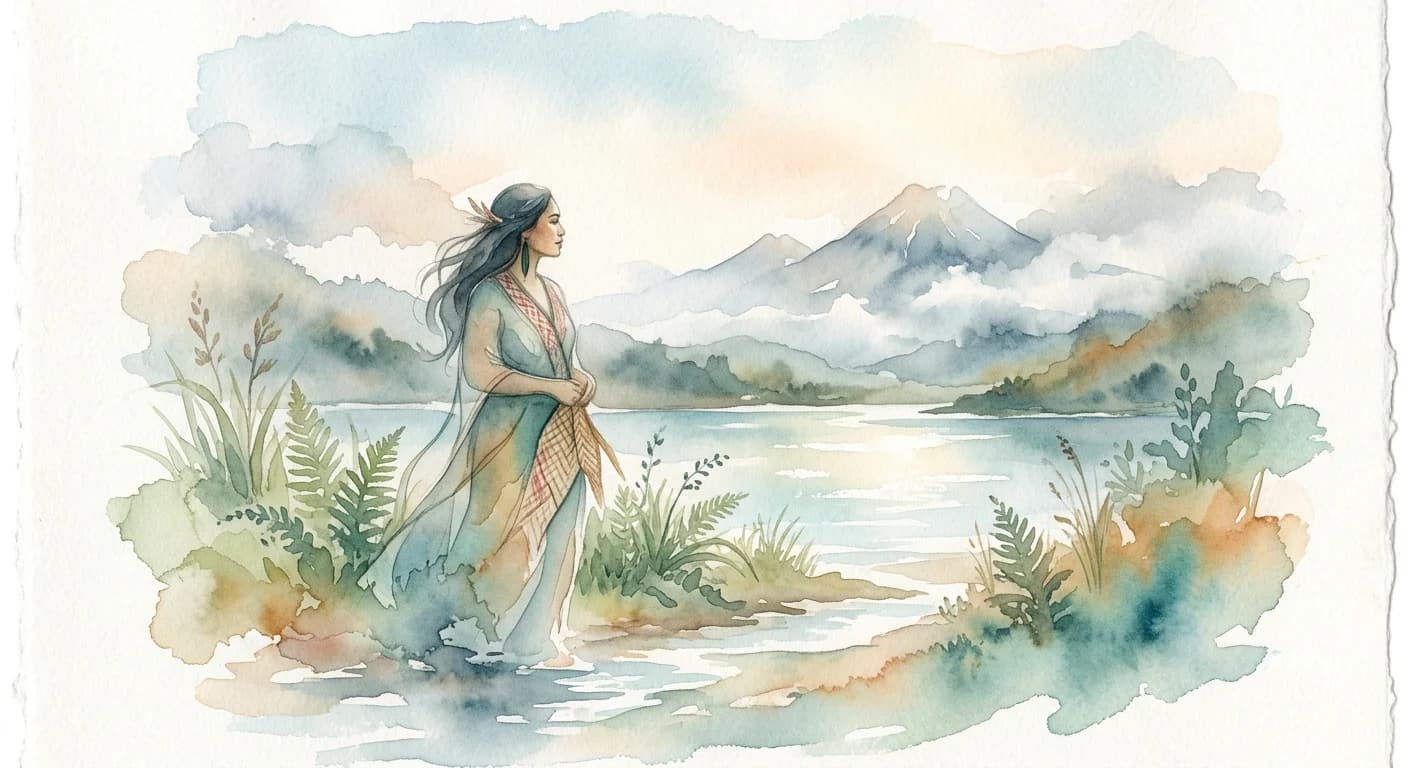
    Artistic representation of Wahine
    Hawaiian•
    🇳🇿New Zealand🇺🇸United States

    Wahine

    /WAH-hee-nay/

    Meaning

    "Wahine" transcends a simple translation of "woman" or "female"; it embodies the essence of femininity, strength, and vital interconnectedness within Polynesian societies. This term deeply resonates with notions of nurturing, resilience, and the life-giving force, often referring to a wife or female partner, underscoring familial and communal bonds. More profoundly, it represents the feminine principle in creation and existence, acknowledging women's indispensable role in maintaining social harmony and cultural continuity. It speaks to a reverence for the female spirit in all its forms.

    Literal Translation

    woman, female, wife

    The Story Behind the Word

    The word "Wahine" is deeply embedded in the cosmological and social fabric of both Hawaiian and Māori cultures, reflecting a worldview where the feminine principle is not merely respected but revered as foundational to life and creation. In Māori tradition, for instance, Hine-nui-te-pō, the goddess of death and the underworld, and Papa-tū-ā-nuku, the Earth Mother, exemplify powerful wahine figures who shaped existence. This reverence highlights a pre-colonial understanding of gender where women held significant roles as leaders, healers, and keepers of knowledge, often sharing complementary power with men rather than being subordinate. The term's persistence underscores the enduring value placed on women's contributions to family, community, and spiritual well-being, revealing societies that traditionally honored balance and reciprocity between genders.

    Experience It

    Honoring a Village Elder

    At a community gathering, a young man respectfully addressed an elder woman, saying, "Our wise wahine has shared invaluable stories of our ancestors." This acknowledged not just her gender, but her wisdom, experience, and her crucial role in preserving cultural heritage for future generations.

    Celebrating a New Mother

    After the birth of her first child, friends and family gathered, showering the new mother with love and support. One elder remarked, "She is a true wahine, bringing new life and strength to our lineage." This celebrated her as a life-giver and an essential pillar of her family's future.

    The Deeper Meaning

    The concept of "Wahine" reveals a profound philosophical understanding of balance and complementarity, where the feminine principle is seen as integral to the cosmos and society. It underscores a worldview that values nurturing, spiritual connection, and the interconnectedness of all life, emphasizing that strength and vitality are not solely masculine attributes but are equally embodied and perpetuated by women.

    Did You Know?

    In Hawaiian mythology, the first woman, Hina, was also a powerful goddess associated with the moon and craftsmanship, showcasing the ancient reverence for wahine.

    How It's Used

    Used to refer to a woman, wife, or female partner. Can also be used in a broader sense to signify the feminine principle.

    Emotions
    belonging,gratitude,love
    Contexts
    family,romance
    🇳🇿New Zealand🇺🇸United States

    by Dr. Kenji Tanaka·Written Mar 14, 2026·Updated Apr 3, 2026

    Related Words

    Explore more
    SobremesaSpanish

    Sobremesa is the cherished, often extended period immediately following a meal, particularly lunch or dinner, where diners remain seated at the table to enjoy conversation, coffee, and digest not just the food, but the company itself. It’s a dedicated time for unhurried social bonding, storytelling, and shared laughter, transforming a simple meal into a profound communal experience. Far from just clearing the dishes, sobremesa is an integral part of Spanish social life, often lasting for hours.

    Wabi-sabiJapanese

    Wabi-sabi is the profound appreciation for the ephemeral, the imperfect, and the incomplete aspects of existence. It is about discovering beauty in the subtle textures of age, the unique character of flaws, and the gentle decay that marks the passage of time. This philosophy encourages a quiet acceptance of impermanence and a mindful connection to the natural world, finding elegance in simplicity and authenticity.

    IkigaiJapanese

    Ikigai is more than just a reason to get out of bed; it's a deeply personal and evolving sense of purpose that brings genuine fulfillment and joy to one's life. It represents the sweet spot where your passions, talents, needs of the world, and what you can be paid for beautifully converge. Discovering your ikigai often leads to a life lived with intentionality, resilience, and a profound connection to one's contributions. It's the intrinsic motivation that fuels a meaningful existence, regardless of external circumstances.

    NunchiKorean

    Nunchi is the sophisticated, almost telepathic, ability to instantly grasp the unspoken dynamics of any social situation, anticipating others' thoughts and feelings, and then responding with impeccable grace and timing. It's an acute form of social intuition, allowing one to navigate complex interpersonal landscapes by reading subtle cues like body language, tone, and context. Possessing good nunchi means effortlessly understanding the underlying emotional currents and adjusting one's behavior to maintain harmony and effectiveness, often without a single word exchanged.