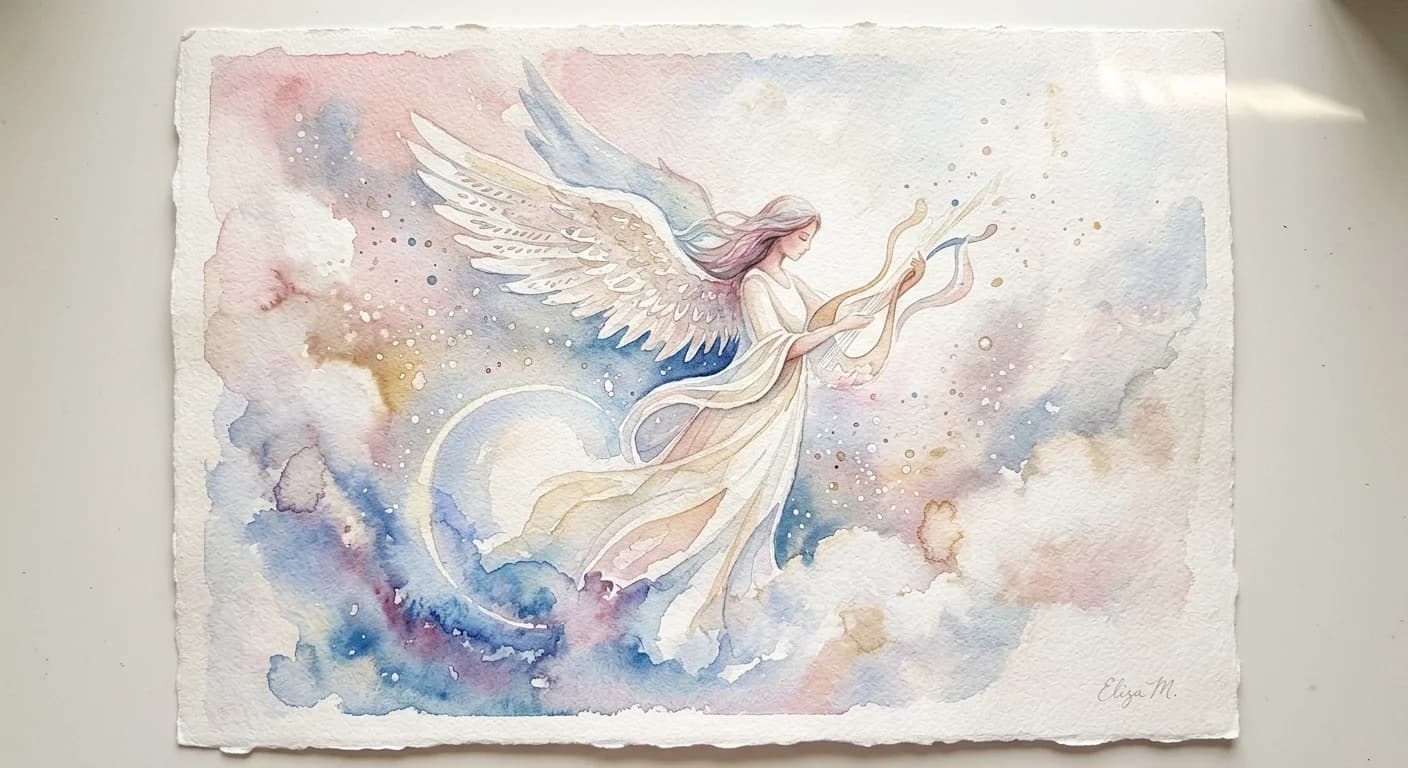
Angakok
/AH-nuh-gok/
Meaning
An Angakok is far more than a simple spiritual leader; they are a vital bridge between the human realm and the powerful, often unseen, spirit world of the Arctic. Through trance, song, and ritual, they navigate this spiritual landscape to diagnose illness, seek guidance, and intercede on behalf of their community, embodying a profound connection to the land, its creatures, and the cosmic order. Their role is one of immense responsibility, requiring deep wisdom, empathy, and an innate ability to perceive and interact with energies beyond ordinary human senses. This figure is central to maintaining not only individual health but also the delicate balance and harmony of the entire Inuit community.
Literal Translation
shaman, sorcerer (though 'shaman' is a borrowed term in Inuktitut)
The Story Behind the Word
The Angakok exists at the very heart of traditional Inuit cosmology, reflecting a worldview where the spiritual and physical are inextricably linked, and the natural world is imbued with powerful, sentient forces. The harsh and unforgiving Arctic environment fostered a deep reliance on collective wisdom and spiritual insight for survival. An Angakok's ability to communicate with animal spirits (like the polar bear or caribou) was crucial for successful hunting, while their healing powers were essential in a world without Western medicine. Their existence underscores the belief that misfortune, illness, or poor hunting could stem from spiritual imbalances or transgressions against the spirit world, making the Angakok the community's primary means of restoring order and well-being. This role wasn't chosen lightly; it often involved a profound, sometimes terrifying, spiritual calling and rigorous training, demonstrating the immense respect and fear associated with such power.
Experience It
Healing a Child
A young child in the igloo community suffered from a persistent, unexplained illness. The Angakok was called upon, entering a trance to journey to the spirit world, seeking the cause of the affliction and negotiating with spirits for the child's recovery, returning with songs and remedies.
Seeking Hunting Guidance
After days of unsuccessful hunting, the community faced hunger. The elders approached the Angakok, who performed a ritual to consult with animal spirits, discerning where the caribou herds had moved and what offerings might appease the spirits of the land for a successful hunt.
The Deeper Meaning
The Angakok embodies a philosophy of profound interconnectedness, where human actions, the natural environment, and the spiritual realm are in constant, delicate interaction. It highlights a worldview where health is not merely the absence of disease but a state of harmonious balance between these forces, and where human well-being is deeply dependent on respecting and understanding the unseen energies that permeate existence. This perspective emphasizes humility, reciprocity with nature, and the continuous spiritual work required to maintain equilibrium.
Did You Know?
Some Angakoks were believed to be able to fly or travel vast distances instantaneously in their spiritual form, and could even transform into animals to gain insight.
How It's Used
Used to refer to a traditional Inuit spiritual healer or shaman.